Renting and Financial Management
Renters Use ‘Rent Now, Pay Later’ Services to Manage Monthly Payments, but Fees Raise Concerns
A growing number of U.S. renters are turning to 'rent now, pay later' services like Flex, Livble, and Affirm to spread out monthly rent payments, but mounting fees and high effective interest rates have raised alarms among consumer advocates who warn the products may worsen financial strain for already cost-burdened households.

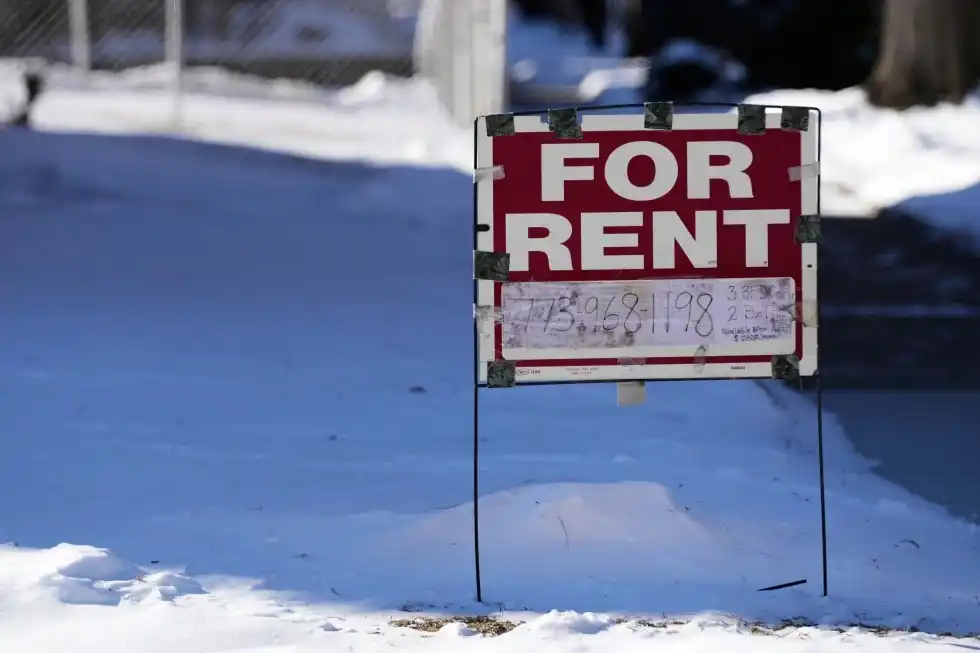
How ‘Rent Now, Pay Later’ Works
Rent now, pay later (RNPL) services allow renters to split their monthly rent into smaller, more manageable payments rather than paying the full amount at once. Under this system, a third-party provider pays the landlord the total rent upfront, and the renter reimburses the provider in installments over several weeks or months. These services have garnered attention for offering flexibility to renters who may have unpredictable income streams, such as gig economy workers, freelancers, or individuals living paycheck to paycheck. In essence, the RNPL model can provide renters with more breathing room, helping them manage their financial obligations without waiting for their next paycheck. The flexibility this system offers appeals particularly to individuals who don’t have access to substantial savings or credit, as it ensures they can still maintain their living situation without the stress of paying their rent in full by the due date. It is especially appealing for those facing irregular payment cycles or emergency financial situations, allowing them to spread out the financial burden across a longer period.
However, the growing popularity of these services raises concerns about the costs involved. While RNPL services are marketed as a tool for financial flexibility, many of them come with hidden fees that can be more expensive than initially anticipated. For instance, a renter using Flex, one of the leading RNPL services, may pay a subscription fee in addition to a percentage of their rent. One example involved a $1,850 rent payment, where the renter paid over $33 a month in service fees for a two-week split — a cost that, when annualized, translates into an effective interest rate of over 170%. These fees, often disclosed only after a renter has signed up for the service, can quickly add up, making what seemed like a flexible payment option turn into an expensive borrowing arrangement. Critics argue that these high fees act like a form of predatory lending, where low-income renters, already burdened by high housing costs, are forced to pay more than they can afford. Moreover, the impact of these fees may disproportionately affect renters who are already struggling with debt, pushing them further into financial instability. As a result, some consumer advocates have begun calling for more transparency in pricing structures to ensure that renters understand the full cost of using these services before committing.
Flexibility in fee structures across different RNPL providers adds another layer of complexity for renters. Services like Flex charge both a monthly subscription fee and a percentage of the rent, while others like Livble impose a flat fee for their services. Affirm, known for its buy-now-pay-later services, is testing a rent-splitting option but adds extra costs if renters choose to subscribe to additional services offered by the company. This variability makes it challenging for renters to compare the total cost across providers and select the best option for their needs. With no standardization of fees, some renters may find themselves paying a much higher rate than they initially expected, as the fine print and extra charges are often overlooked during the sign-up process. This unpredictability complicates financial planning for renters and can make it difficult to budget for rent and associated costs each month. For those with limited financial literacy or experience in navigating these types of services, the complexity of these fee structures can lead to poor decision-making, leaving them in a worse financial position than before.
In addition to RNPL services, some renters use credit cards as an alternative way to manage rent payments. This approach can offer the advantage of earning rewards or building credit, but it comes with its own set of challenges. Most landlords who accept credit card payments charge processing fees, typically ranging from 2.5% to 3.5% of the rent amount. For a typical $1,500 rent payment, this translates to an additional $37.50 to $52.50 in fees, making this method of payment comparable to, or sometimes even more expensive than, using dedicated rent-splitting services. While some credit card users may appreciate the ability to use their cards to accumulate points or manage cash flow, the processing fees undermine the benefits and contribute to higher costs for renters. Furthermore, relying on credit cards for rent payments can quickly accumulate interest if balances are not paid off in full, compounding the financial burden. This underscores the broader issue of the high cost of living, where renters are increasingly turning to various financial products just to manage basic expenses.
The underlying issue that rent-splitting services and credit card usage fail to address is the larger problem of housing affordability. Rents have been climbing in many U.S. cities, and an increasing number of households now spend more than 30% of their income on rent, the threshold at which housing is considered unaffordable. In these circumstances, relying on payment products designed to ease cash flow may only provide temporary relief, as they do not address the core issue of rent prices themselves. Furthermore, using these services may encourage a cycle of borrowing that exacerbates financial instability. Consumer advocates argue that until housing costs are addressed through systemic solutions, such as affordable housing initiatives, rent control, or other regulatory measures, these financial products may not provide sustainable relief. In fact, they may even make the situation worse by encouraging renters to take on debt for something that is essential to their well-being—shelter. As policymakers debate how to make housing more affordable, there is a growing recognition that the financial products designed to assist renters should not replace long-term solutions but should instead serve as temporary tools to help manage immediate financial challenges.
While rent-splitting services provide short-term solutions for renters who need flexibility, the broader impact on financial well-being is significant. The reliance on such services may indicate a deeper trend of growing economic insecurity, especially among lower-income renters. Consumer advocates suggest that rather than relying on these services, renters should be provided with better access to affordable housing options, more robust financial literacy programs, and long-term solutions to ease the burden of rising rents. Without addressing the systemic issues of income inequality and housing availability, these services may simply serve to perpetuate financial instability rather than alleviate it. Therefore, it is crucial for renters to carefully evaluate their options and understand the true cost of rent-splitting services before committing to them. Additionally, advocacy for stronger protections against predatory lending practices in the rental market is essential to ensure that low-income renters are not taken advantage of by these financial products.
Leave a Comment
Your email address will not be published. Required fields are marked *