Market Shifts and Economic Sentiment
U.S. Stocks Climb as Gold and Silver Prices Keep Falling
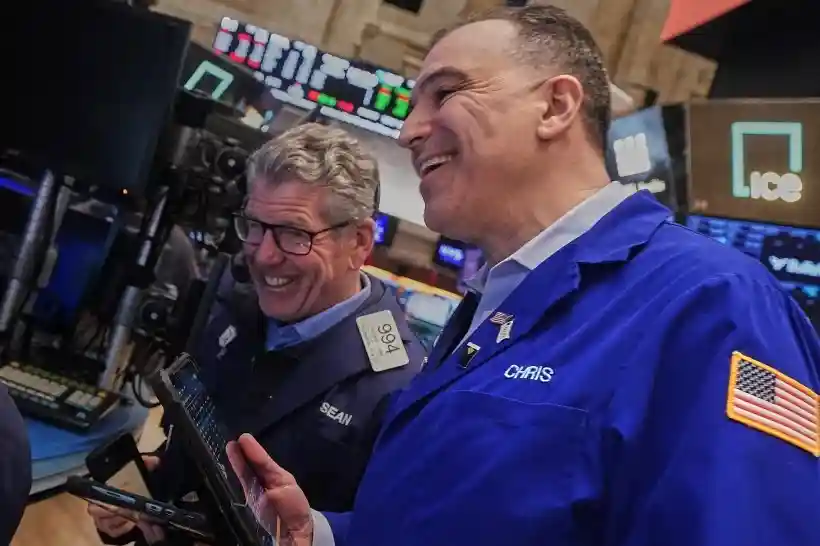
U.S. stocks rallied as major indexes rose amid market volatility, while gold and silver prices continued sliding from recent highs — reflecting investor rotation back into equities and sharp retracement in precious metals.

Major Indexes Advance on Optimism
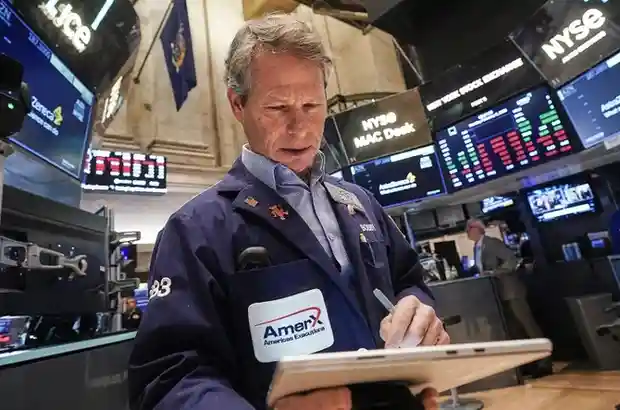
U.S. stock markets saw notable gains on Monday as investors responded to a mix of earnings reports and a more optimistic market sentiment. The S&P 500 rose about 0.5%, the Dow Jones Industrial Average gained roughly 1.1%, and the Nasdaq Composite, which is heavily weighted with technology companies, advanced by approximately 0.6%. This positive movement was largely fueled by strong performances from certain technology and growth-oriented stocks. Sandisk, for example, surged on robust demand driven by advancements in artificial intelligence applications, which helped boost investor confidence in tech stocks. Despite some weaknesses in large-cap tech stocks such as Nvidia, the broader market experienced a rally, reflecting a renewed sense of optimism. Investors seemed to shift their focus away from the uncertainty and volatility that had plagued the markets in recent weeks. This recovery in equities indicates that investor sentiment is rebounding, possibly driven by strong earnings reports, a positive outlook for certain sectors, and reassurances that the economy can continue to grow despite the challenges it faces. However, the rally has not been uniform, and concerns about inflation and rising interest rates continue to weigh on the broader market. While the recovery has been led by specific sectors like technology and consumer goods, there are still underlying risks that could cause market fluctuations, particularly if inflationary pressures persist or economic growth slows in the coming months. Investors will be watching upcoming economic data closely, looking for signals of stability and continued growth. A key focus will likely be on monetary policy and how the Federal Reserve responds to changing inflation rates, which could impact both the equity market and broader economic conditions. Therefore, the performance of these major indexes is closely linked to how investors interpret these economic signals and whether corporate earnings continue to meet expectations.
Gold Prices Slide Further
Gold prices continued their downward trend, extending the losses from the previous week’s sell-off. Spot gold prices fell by approximately 1.9%, dipping below $4,700 per ounce, as investor sentiment shifted away from safe-haven assets like gold and silver and returned to equities. This retracement in gold prices is emblematic of broader changes in investor behavior, as the rising appeal of riskier assets, such as stocks, competes with traditional safe-haven investments. The decline in gold’s value highlights how quickly market sentiment can change, especially during periods of heightened volatility. Factors contributing to the drop in gold prices include expectations of tighter monetary policy and a strengthening U.S. dollar. As the Federal Reserve continues to signal its commitment to tackling inflation through interest rate hikes, investors are moving away from non-yielding assets like gold and reallocating capital into sectors with more attractive growth potential. This shift is largely driven by the prospect of rising rates, which tend to weigh negatively on commodities like gold that offer no yield or dividend. The decline in precious metals prices has come after a period of rapid growth, where gold in particular benefited from increased demand during earlier periods of financial uncertainty. However, as inflation concerns subside and the global economy stabilizes, the demand for gold as a hedge against inflation has diminished. As such, many investors are pivoting to equities and other higher-yielding assets, and gold is currently experiencing a period of sharp correction. The sell-off in gold reflects broader market trends, with investors reassessing the value of commodities as they adapt their portfolios to the shifting economic environment. The decrease in precious metals prices serves as a reminder of how sensitive commodities can be to changes in interest rates and currency fluctuations.
Silver prices followed a similar trajectory, falling alongside gold as investor sentiment continued to rotate away from precious metals and into equities. Spot silver prices also dropped around 1.9%, further confirming the ongoing trend of declining demand for safe-haven assets. Much like gold, silver’s retreat from recent highs is attributed to shifting investor preferences toward riskier assets, as the overall market sentiment becomes more favorable toward equities. The decline in silver prices also mirrors a broader unwind of speculative rallies in the precious metals sector, particularly as investor enthusiasm for commodities wanes in light of tightening monetary policies. Silver, often seen as a more volatile version of gold, has faced even more pronounced price fluctuations as speculative traders exit the market. As a result, silver’s pullback is contributing to a broader recalibration of risk assets. Despite the recent decline, some investors still view silver as a potential hedge against economic uncertainty, but its appeal is weaker compared to its gold counterpart. The recent correction in precious metals, particularly silver, suggests that markets are recalibrating following a period of heightened volatility, as traders reorient their strategies to align with the evolving economic environment. This shift reflects a broader market trend in which investors are reassessing their positions in non-yielding assets like gold and silver in favor of assets that are expected to benefit from ongoing economic growth, particularly equities. As markets stabilize, it is likely that both gold and silver will face continued pressure from rising interest rates and the rotation back into risk assets. However, should market conditions worsen or geopolitical tensions flare, silver and gold could once again become attractive as safe-haven assets. The next few months will be critical in determining whether the recent downward pressure on these metals continues or whether they experience a resurgence driven by external factors.
Leave a Comment
Your email address will not be published. Required fields are marked *