Market Volatility and Investor Sentiment
Wall Street Drifts as Intel Tumbles and Gold’s Price Rises to Another Record
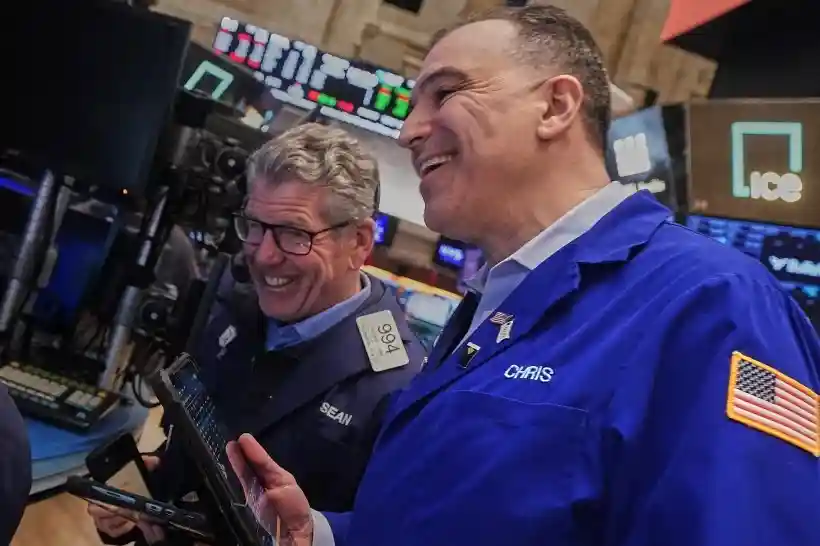
On January 24, 2026, U.S. stocks traded unevenly as key indexes drifted through mixed activity, weighed down by a steep drop in Intel shares, while gold prices climbed to fresh all‑time highs — drawing investor interest toward safer assets amid uncertain market conditions.

Indexes Mostly Mixed Amid a Volatile Week
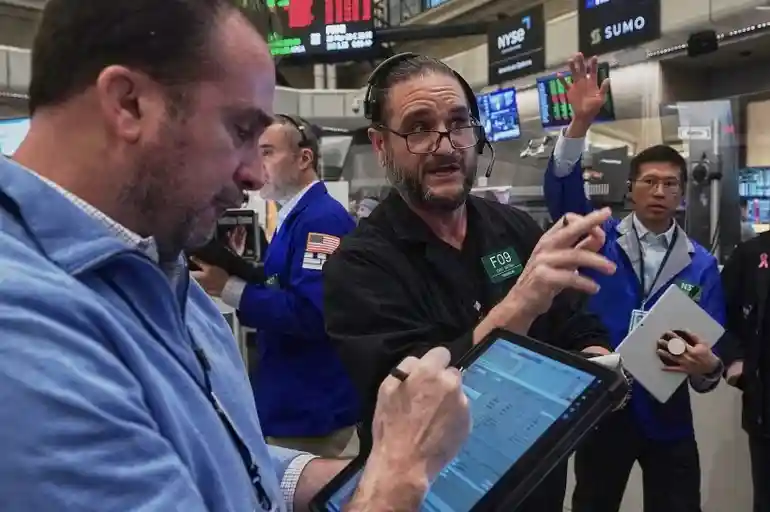
Wall Street experienced a lackluster session on January 24 as major benchmarks showed mixed results after a week of sharp swings. The S&P 500 remained nearly flat, barely changing from its previous close, while the Dow Jones Industrial Average slipped, and the Nasdaq Composite managed a slight gain. The overall trend reflected cautious trading and investor indecision after several days of uneven market moves, with participants balancing concerns about economic risks, earnings outlooks, and broader geopolitical factors. Amid these uncertainties, investors showed signs of wariness, reflecting broader concerns over potential slowdowns in global growth, inflationary pressures, and uncertain fiscal policies in key economies. The mixed trading pattern reflected a market at crossroads, uncertain about which direction it would take in the short term. Rising interest rates and inflation fears, compounded by ongoing geopolitical tensions, contributed to the volatility observed across multiple sectors. With uncertainty surrounding economic data and central bank decisions, market participants faced difficulty in confidently moving into riskier assets, leading to a more cautious stance. The drift in the indexes signified the difficulty investors faced in finding clear signals for future market movements, further underscoring the lack of clarity regarding the economic trajectory in early 2026. At the same time, ongoing trade disruptions and geopolitical risks continued to weigh on market sentiment, contributing to the wider caution across investor portfolios. The market volatility, therefore, exemplified the complex interplay of global economic conditions, corporate earnings, and central bank policies that continue to affect the global financial landscape.
Intel’s Steep Drop Dampens Market Sentiment
A key contributor to the subdued market performance on January 24 was a sharp decline in Intel’s stock, which tumbled approximately 17% in a single session. Despite the semiconductor giant reporting fourth-quarter earnings that exceeded analyst expectations, its guidance for the first quarter fell well short of forecasts, prompting a significant sell‑off. Intel’s sudden decline highlights the underlying pressures that the technology sector is experiencing, despite its previous successes. Investors’ reaction was swift and significant, as they focused on concerns over Intel’s production constraints and weaker future demand. These concerns sent shockwaves throughout the broader technology sector, adding to existing fears about slowing growth and heightened competition from newer entrants in the semiconductor and AI industries. The sharp sell-off in Intel shares was not just a reaction to the company’s disappointing guidance but also part of a broader market sentiment shift in the tech space. With many high-growth stocks facing increased skepticism over their valuations and growth trajectories, Intel’s difficulties further highlighted the challenges that investors are grappling with in the tech sector. The drop in Intel’s stock came as other major tech companies, including Nvidia and Microsoft, also faced pressure. While these companies have seen extraordinary growth in recent years, rising interest rates and inflationary concerns have led investors to question whether tech stocks can continue to maintain their high valuations amid economic uncertainty. As a result, Intel’s poor performance exacerbated concerns about the sustainability of tech stock growth, pushing more investors to hedge their positions and reassess their exposure to the sector.
In contrast to the challenges in equities, gold prices continued their surge, climbing to new all‑time highs on January 24. Spot gold prices reached levels just shy of $5,000 per ounce, reflecting a significant rally in the precious metals market. The strong rally in gold underscores continued investor demand for safe-haven assets amid the volatility and uncertainty surrounding global financial markets. With precious metals already showing strong gains for the year, the surge in gold prices reflects a shift in investor focus toward assets perceived as more stable during times of market unrest. The rally was driven by several key factors, including rising inflationary pressures, global economic uncertainty, and the ongoing fears of a potential economic slowdown. As the value of equities faltered, investors sought protection in gold, which has long been considered a hedge against inflation and currency devaluation. In recent weeks, rising inflation expectations and fears of slowing global growth have intensified demand for gold as a store of value. This surge in gold prices also reflects broader sentiment shifts in the markets, where investors increasingly prefer tangible assets to equities that might be overvalued. The price spike also highlights the growing uncertainty regarding the trajectory of the global economy. As central banks continue to face tough decisions on monetary policy, and with geopolitical tensions escalating in key regions, investors are gravitating toward gold as a safer alternative to riskier investments. As gold continues its upward climb, its performance becomes emblematic of a broader trend in financial markets, where assets that are seen as providing stability during periods of turbulence become increasingly attractive.
Silver, following a similar path as gold, also saw significant gains as investor sentiment shifted toward precious metals. Like gold, silver prices were buoyed by concerns over inflation and economic uncertainty, with silver surging in value as market participants sought refuge from the volatility in equities. However, silver’s price movement was also tied to its dual role as both an industrial and a precious metal, which adds an additional layer of complexity to its price dynamics. While its performance as a safe-haven asset was driving gains, silver’s ties to industrial demand have led to heightened price sensitivity to economic conditions, making it a more volatile alternative to gold. The rebound in silver prices underscored a broader shift in investor preferences, with many opting for commodities as a way to hedge against the risks inherent in the equity markets. The precious metals rally stands in stark contrast to the tech sector’s struggles, signaling that investor priorities may be shifting in response to concerns over global economic conditions. As silver prices climb, many investors see this as a signal that broader market sentiment is moving away from risk assets and toward safer investments that can withstand the pressures of a potential economic slowdown. The rise of silver and gold prices during periods of stock market weakness further suggests that investors are positioning themselves in anticipation of continued volatility in global financial markets, making precious metals an increasingly appealing option for those seeking stability.
Leave a Comment
Your email address will not be published. Required fields are marked *