Restaurant Industry Performance and Strategy
Yum Brands Reports Mixed Quarterly Results as Taco Bell Outperforms
Yum Brands delivered mixed quarterly earnings as strong growth at Taco Bell helped offset weaker performance at other chains, reflecting uneven consumer demand across its global portfolio.

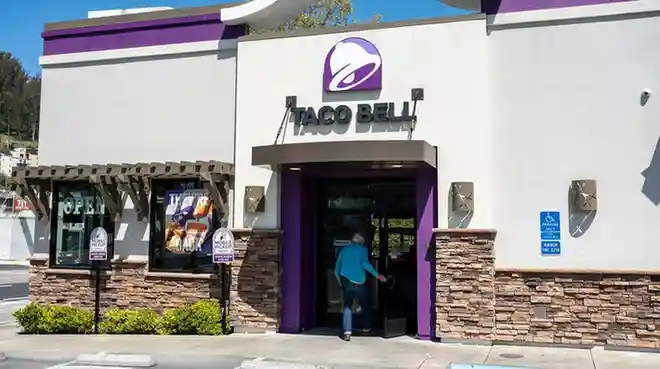
Yum Brands Delivers Uneven Quarterly Performance
Yum Brands, the global fast-food conglomerate behind major brands such as Taco Bell, KFC, and Pizza Hut, reported a mixed set of quarterly results that highlight the challenges the company faces in an increasingly fragmented consumer environment. While the company met some of its revenue and profit expectations, performance across its various brands and regions was uneven, reflecting the broader challenges in the restaurant industry. The quarterly earnings were impacted by inflationary pressures, which have continued to increase food and labor costs, as well as consumer spending habits that remain uncertain. In particular, the U.S. market showed signs of slowing demand, driven by economic uncertainty and rising living costs, which have caused consumers to become more cautious in their discretionary spending. At the same time, international markets presented their own set of hurdles, with currency fluctuations and political instability affecting operations in some key regions. This uneven performance underscores the difficulty of managing a diverse portfolio of brands across multiple global markets. The company’s ability to deliver growth in a tough economic environment will depend on its ability to adapt to changing consumer trends, streamline its operations, and make targeted investments in both its brand portfolio and technological capabilities. As part of its strategy to mitigate risks, Yum Brands has been focusing on improving digital ordering systems, enhancing menu offerings, and expanding its presence in emerging markets. These efforts are crucial to sustaining growth in a period of economic volatility, as the company faces increasing pressure to deliver consistent performance despite global challenges.
Taco Bell Drives Growth
Taco Bell emerged as the star performer for Yum Brands during the latest quarter, driving growth with impressive same-store sales increases and helping to offset weaker results from its sister brands. The fast-food chain’s success can be attributed to several factors, including a consistent focus on menu innovation, strategic value offerings, and highly effective marketing campaigns. Taco Bell has successfully catered to price-sensitive consumers, offering a range of affordable options that resonate with budget-conscious customers, a critical demographic in today’s economic climate. The company’s ability to keep prices competitive while maintaining the quality of its food has helped it outperform many of its peers in the competitive fast-food sector. Additionally, Taco Bell has significantly invested in its marketing and digital presence, ensuring that it remains top-of-mind for consumers. Its social media-driven marketing campaigns, coupled with influencer collaborations, have played a key role in boosting brand engagement and driving foot traffic to stores. These efforts, combined with menu innovations such as limited-time offers and seasonal specials, have created a sense of excitement around the brand, fostering consumer loyalty and encouraging repeat visits. Taco Bell’s ability to deliver strong results even as other chains in the Yum Brands portfolio struggle is a testament to the brand’s resilience and its ability to adapt to changing market dynamics. As part of Yum Brands’ broader growth strategy, Taco Bell will continue to be a key growth driver moving forward, with the company planning to expand its presence in both domestic and international markets.
In contrast to Taco Bell’s strong performance, Yum Brands' other major chains, KFC and Pizza Hut, faced a more challenging quarter, with both brands experiencing slower traffic and higher operational costs. KFC, which has been a staple in many international markets, saw weaker-than-expected sales in some regions, particularly where the economic slowdown has had a greater impact. Rising food prices and supply chain disruptions, along with higher wages for workers, have squeezed the margins of many fast-food chains, including KFC. This has been especially challenging in international markets where inflationary pressures have been more pronounced, and in regions where consumer behavior has been more affected by political instability or economic downturns. Meanwhile, Pizza Hut faced similar challenges, as its traditional pizza offerings became less appealing to consumers in some markets, especially as the rise of healthier and more diverse food options has altered dining preferences. Despite these hurdles, Pizza Hut continues to focus on expanding its menu options and strengthening its delivery capabilities, aiming to meet the growing demand for food delivery services. The international performance of both KFC and Pizza Hut underscores the difficulties of managing a portfolio of brands in a global context, where local economic and cultural factors play a significant role in determining the success of each brand. Going forward, Yum Brands will need to carefully assess and adjust its operations in each region, focusing on product innovation, streamlining supply chains, and responding quickly to local market trends in order to stabilize performance across its brands.
Yum Brands has acknowledged that consumer behavior remains cautious, particularly outside the United States, where economic conditions have been more volatile. While the U.S. remains a key market, the company is increasingly focusing on international expansion as a way to diversify its revenue streams and reduce dependence on the domestic market. However, this strategy has not been without challenges. International operations have been weighed down by currency fluctuations, geopolitical uncertainty, and regional economic pressures that have impacted margins. The company has worked to mitigate these challenges by streamlining its operations, improving digital ordering capabilities, and providing increased support to its franchisees. By investing in technology, Yum Brands aims to make its brands more accessible to consumers through digital platforms, while also reducing operational costs and improving customer satisfaction. As part of its international growth strategy, Yum Brands is also focusing on localizing its offerings to cater to the specific tastes and preferences of customers in each region. In addition to expanding its reach through franchising, the company is working on strengthening its supply chain and logistics operations to better serve emerging markets. Despite the ongoing economic challenges, Yum Brands remains optimistic about the potential for growth in international markets and is committed to adapting its business model to meet the demands of a rapidly changing global landscape.
Leave a Comment
Your email address will not be published. Required fields are marked *