Child Development and Early Education
Is Your Child Ready to Register for Kindergarten? Here’s What Experts Look For
Experts say kindergarten readiness involves much more than counting or reciting the alphabet. Key developmental areas — from motor skills to social‑emotional growth — help determine if a child is prepared for the classroom and how schools can support their success.

Defining Kindergarten Readiness
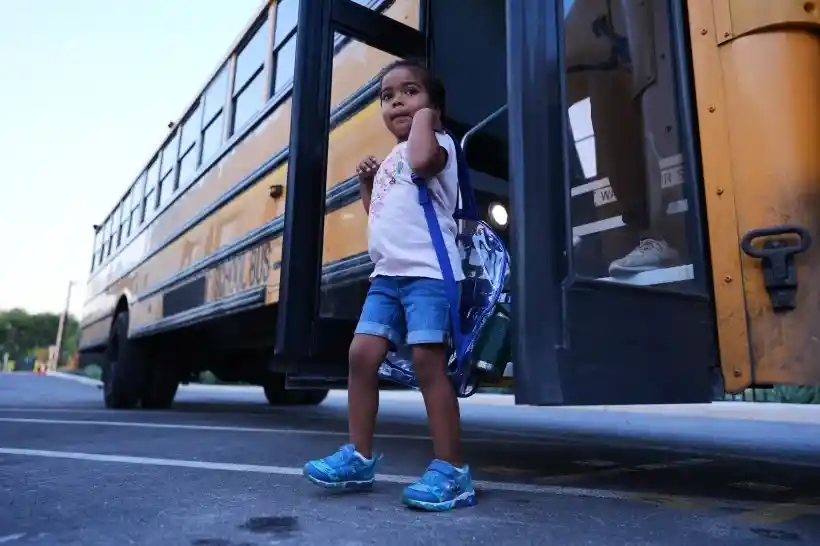
Kindergarten readiness encompasses much more than knowing the alphabet or being able to count. It is a holistic concept that includes various developmental domains that contribute to a child’s ability to succeed in school. According to experts and educational psychologists, readiness involves five main areas: health and motor skills, social-emotional development, cognitive abilities, language skills, and attitude toward learning. These domains are interconnected, as a child’s ability to manage their emotions impacts their cognitive abilities, while motor skills influence their capacity to engage with the learning environment. Educational research suggests that rather than using these criteria as strict gatekeepers for school entry, they should be viewed as tools to identify where children may need extra support to help them transition into formal education. It's important to recognize that each child develops at their own pace, and readiness assessments can help to provide a clearer understanding of how best to support their growth before entering kindergarten. Schools, parents, and early childhood educators all play a role in helping a child reach the milestones associated with kindergarten readiness.
What Skills Matter Most
While early literacy and numeracy are often considered key markers of readiness, experts emphasize that a range of other skills are just as important. For example, children who are ready for kindergarten are able to communicate effectively with both peers and adults. This includes the ability to express needs and feelings, follow simple directions, and engage in conversations. Emotional regulation is another critical skill, as children who are able to manage frustration and anxiety are better equipped to deal with the challenges of school life. Additionally, emerging cognitive skills are essential: the ability to pay attention during tasks, understand basic concepts such as time and sequencing, and display curiosity about the world around them all signal that a child is ready for the classroom. Fine motor skills such as using a pencil or scissors and self-help skills like getting dressed independently are also strong indicators. In fact, many educators and psychologists argue that these broader developmental skills are equally as important as academic knowledge in ensuring that children are well-prepared for kindergarten and future learning experiences.
Social-emotional growth is a key factor in a child’s readiness for kindergarten, and experts note that it often forms the foundation for success in the classroom. Social skills like the ability to share, take turns, and make friends are essential for children to adapt to school life. Similarly, emotional skills, including managing frustration, dealing with separation anxiety, and adjusting to new environments, are crucial for helping children navigate the complexities of a school day. A child who can cope with separation from parents or caregivers, for example, is more likely to engage positively with teachers and classmates. Social-emotional skills also contribute to resilience, helping children bounce back from setbacks, whether they involve losing a game or facing a challenging task. These skills, often developed in early childhood settings, are important because they form the basis for positive relationships, both with peers and adults. Children who develop these skills early are better able to focus on their learning tasks and engage in classroom routines. The development of social-emotional skills is closely linked with a child’s ability to make sense of the world around them, manage their feelings, and interact with others in a positive way.
Various forms of assessment are commonly used to determine a child's readiness for kindergarten, and these assessments often include a combination of parent questionnaires, teacher evaluations, and direct skill assessments. These tools aim to measure a child’s development across the five key domains. However, experts point out that these assessments can be subject to variability. For instance, a child might perform differently depending on the day or their emotional state. Furthermore, parents may interpret assessment questions differently based on their understanding of the criteria. Age also plays a role in determining readiness, as young children’s cognitive, emotional, and social skills can vary widely. Small age differences, such as a few months, can influence performance on readiness assessments. Because of this, it is important for parents and educators to consider a child's development in context, understanding that individual differences play a significant role in their readiness for kindergarten. Experts caution against using any single assessment tool as a sole determinant, encouraging a more holistic view of a child’s abilities and needs.
Supporting Readiness at Home and School
Parents and caregivers have a significant influence on a child’s readiness for kindergarten. Experts suggest creating a nurturing environment at home that encourages early learning through play and daily activities. For example, reading with children on a daily basis builds early literacy skills and helps to develop their vocabulary. Furthermore, giving children small responsibilities around the house, such as helping with simple chores, fosters independence and builds their self-confidence. Another important way parents can support readiness is by helping children name their emotions and express their feelings in a healthy way. This not only enhances emotional regulation, a key skill for classroom success, but also promotes a positive attitude toward learning. Outside of the home, high-quality preschool programs provide a valuable opportunity for children to develop foundational skills in a more structured setting. These programs often include a combination of early literacy, numeracy, and social-emotional learning that equips children with the skills necessary to succeed in kindergarten. However, the availability and quality of preschool programs can vary, making access a critical issue for some families.
Preschool programs are especially beneficial for children who may not have the same opportunities for early learning at home. These programs are designed to prepare children for the academic and social demands of kindergarten, offering structured learning experiences in areas such as language, literacy, and early math skills. In addition to academics, preschool programs also foster emotional and social development, helping children to navigate relationships with peers and adults. Research consistently shows that children who attend quality preschool programs tend to perform better in school and develop stronger social-emotional skills. While preschool is not universally accessible, it remains one of the most effective ways to support kindergarten readiness for all children. Many early childhood education experts advocate for greater investment in early learning programs, particularly for children from disadvantaged backgrounds who might otherwise miss out on these opportunities. Ensuring that all children have access to high-quality preschool programs can go a long way in leveling the playing field and ensuring that every child is prepared for a successful start to their educational journey.
One area of focus in kindergarten readiness is language development. Experts stress that children who enter kindergarten with a well-developed vocabulary and basic language skills are more likely to succeed academically. This includes not only the ability to speak clearly but also the capacity to understand instructions, engage in conversations, and express thoughts and ideas. Parents can support language development by reading aloud to their children, asking open-ended questions, and encouraging children to talk about their experiences. These practices help to build vocabulary, improve comprehension, and develop the ability to communicate effectively. Additionally, children who are able to express themselves clearly are better equipped to advocate for their needs and engage with their peers and teachers. Language skills also play a crucial role in other areas of learning, including literacy and numeracy. As such, fostering language development is essential for preparing children for kindergarten and helping them thrive once they enter the classroom.
Physical Readiness: Fine and Gross Motor Skills
Motor development is a significant part of kindergarten readiness, as it plays a key role in a child’s ability to interact with their environment and engage in learning activities. Fine motor skills, such as the ability to hold a pencil, cut with scissors, and manipulate small objects, are essential for tasks such as writing, drawing, and other classroom activities. Gross motor skills, such as running, jumping, and climbing, are also important for a child’s overall development and ability to participate in physical activities. While many children develop these skills naturally, experts note that children who engage in regular physical activities, such as playing outside or practicing hand-eye coordination through games, tend to develop these skills more quickly. At home, parents can support motor development by providing opportunities for children to engage in active play, such as running, hopping, and throwing a ball. They can also encourage creative activities like drawing or building with blocks, which help develop fine motor skills. Building strength in both fine and gross motor skills supports a child’s ability to navigate the physical demands of kindergarten and engage with classroom tasks that require coordination and dexterity.
Another important aspect of readiness is the child’s ability to manage personal responsibilities and routines. This includes self-help skills such as dressing themselves, using the bathroom independently, and following simple instructions related to hygiene and personal care. These skills are necessary for children to navigate the school day with confidence and ease. Experts recommend that parents encourage children to practice these self-care tasks at home in preparation for kindergarten. Tasks such as buttoning their own coat, tying shoes, and washing their hands independently can help children feel more in control of their environment and contribute to a positive school experience. Children who have mastered these basic self-help skills are better prepared to transition into the structured routine of a classroom, where they will need to manage their belongings, follow directions, and take care of their personal needs throughout the day. Encouraging these skills not only fosters independence but also promotes a sense of responsibility and ownership over one’s own well-being.
Leave a Comment
Your email address will not be published. Required fields are marked *