Impact Of Extreme Weather On Education
School Closures in the Southeast Stretch Into 2nd Week After Latest Winter Storm
A series of severe winter storms has forced school districts across the Southeastern United States to extend closures into a second week, leaving students out of classrooms, complicating family schedules and prompting districts to consider remote learning and makeup days as communities cope with icy roads, power outages and disrupted routines.

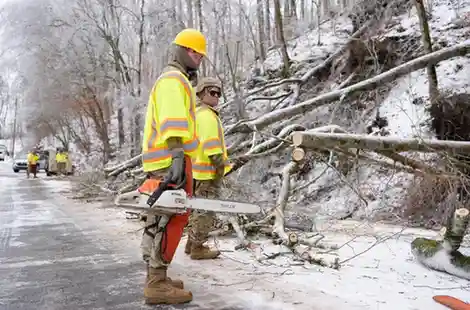
Second Week of Closures Across the Southeast
School systems across the Southeast, stretching from Mississippi to Maryland, continue to close due to the severe winter storms, which have left dangerous weather conditions in their wake. The aftermath of the latest storm, including heavy snow and icy roads, has caused many districts to cancel school for a second consecutive week. In some regions, schools have opted to extend their closures through at least Tuesday, as the storm’s effects persist. This ongoing disruption highlights the unusual nature of such severe winter weather in the Southeast, a region that typically experiences mild winters, but has recently been grappling with more extreme cold, snow, and ice. The impact on daily life, including education, is profound, with many families struggling to adjust to the disruptions. For some students, this extended period away from the classroom risks slowing their academic progress, and families must navigate the challenge of finding alternative arrangements for child care and daily routines. The educational landscape in the Southeast is continuing to feel the effects of this unprecedented winter storm, with little sign of a quick resolution.
The severe weather has also caused widespread power outages, further complicating efforts to reopen schools. Tens of thousands of residents, including many students and their families, were left without electricity, especially in cities like Nashville and parts of Mississippi. These power outages have persisted long after the worst of the storm, preventing schools from resuming normal operations. With both heating and essential utilities disrupted, many families have faced significant hardships. Some have had to temporarily relocate to stay with relatives or pay for hotel accommodations to find warmth and basic amenities. These challenges have made it even more difficult for students to return to school, especially in cases where schools are still without power, making it unsafe or impractical to hold classes. In addition to these logistical issues, the power outages have limited access to essential services, including remote learning tools, as many homes have been without electricity for extended periods. This has exacerbated the educational gap for students who were already struggling to adapt to the disruptions caused by the storm.
Districts have been scrambling to adapt to the challenges posed by lost instructional time, with some schools like Charlotte‑Mecklenburg Schools and Memphis‑Shelby County Schools attempting to provide remote learning materials or learning packets for students to use while they remain at home. However, these efforts have been hindered by power outages and connectivity issues, making it difficult for many students to participate in online learning. In some areas, particularly those with widespread power loss, remote learning has not been a viable option. Other districts have declared traditional snow days, offering no assigned schoolwork or remote lessons. This has resulted in a significant gap in instructional time, as students miss out on valuable classroom hours. The decision to rely on remote learning for makeup work has proven to be a double-edged sword: while it allows some students to continue learning, the infrastructure challenges and unequal access to technology leave many behind. For students who don’t have reliable internet or devices, these remote learning efforts are essentially ineffective, widening the divide between those who have access to resources and those who do not. In the long run, the educational impact of these snow days will require districts to consider alternative solutions to make up for lost time and ensure that students are on track for academic success.
The debate over how to make up for lost school days has become a central issue for school leaders in affected districts. Some districts are considering extending the school year, adding additional instructional days to the calendar, or converting teacher workdays and scheduled holidays into school days. These changes would allow students to receive the required instructional time, but they also present logistical challenges, such as adjusting extracurricular activities, reworking teacher schedules, and accommodating families who may have already made plans for upcoming holidays or time off. The discussions around extending the school year are also complicated by concerns over student fatigue and the additional pressure it would place on families and educators. For many families, the uncertainty about the school calendar only adds to the stress of an already difficult situation. There is also concern about how such adjustments might affect students’ well-being, as prolonged school years can create burnout. While school leaders are working hard to ensure students stay on track academically, they must balance this with considerations for students’ mental and emotional health.
Safety concerns continue to dominate discussions about reopening schools, as the lingering icy conditions and subfreezing temperatures make it difficult for buses and students to travel safely. Even when main roads are cleared, residential streets and side roads remain treacherous, preventing school buses from operating in certain areas. Local authorities have emphasized the importance of ensuring that campuses, parking lots, and bus routes are fully cleared before students return. This has led to further delays in the reopening of schools, with many districts prioritizing the safety of students and staff above all else. In the meantime, local officials are urging patience from families and continuing efforts to clear streets and school grounds. While reopening schools is a priority, ensuring that students can safely travel to and from school is a significant challenge. The safety of children during the winter months is always a concern, and the need to balance educational priorities with safety protocols is at the forefront of these discussions. For many families, the decision to keep schools closed longer is a necessary step to avoid any unnecessary risk. However, the extended closures are taking a toll on families who are already grappling with the stress of disrupted routines, additional child care needs, and the uncertainty surrounding the situation.
Leave a Comment
Your email address will not be published. Required fields are marked *