Great Barrier Reef Shows Signs of Recovery After Coral Restoration Project
Australia's Great Barrier Reef is showing remarkable signs of recovery following the world's largest coral restoration project. Scientists report that 30% of previously bleached areas now show healthy coral growth, offering hope for one of Earth's most threatened ecosystems.

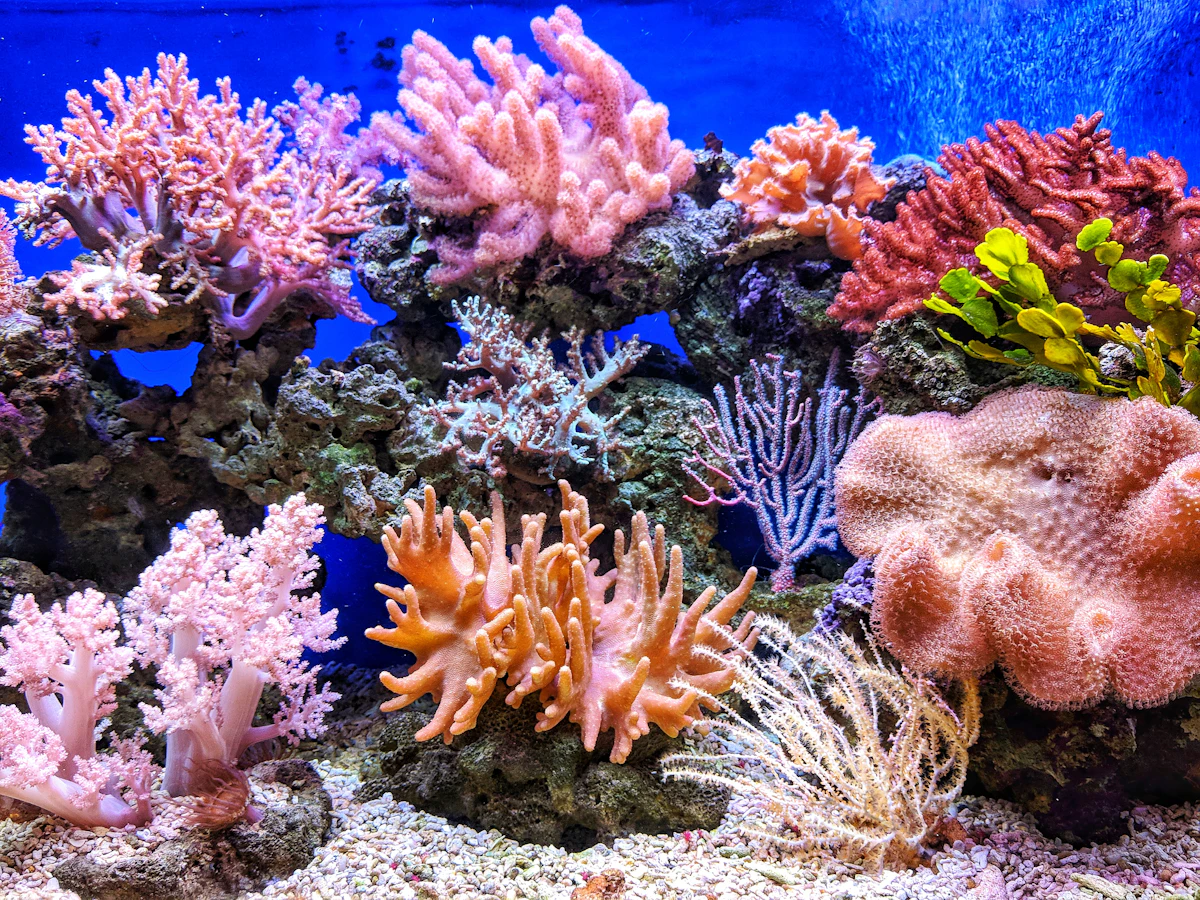
Coral restoration brings hope to the Great Barrier Reef
Signs of Recovery
Annual surveys by the Australian Institute of Marine Science reveal that coral cover has increased by 15% over the past two years in areas receiving restoration treatments. Some sites have returned to pre-bleaching levels for the first time since 2016.
The recovery follows a $3 billion investment in coral restoration, water quality improvement, and crown-of-thorns starfish control. Scientists describe the results as 'exceeding our most optimistic projections.'
Innovative Techniques
Researchers have deployed several innovative restoration techniques, including 'coral IVF' – collecting eggs and sperm during spawning events and raising larvae in controlled conditions before releasing them onto damaged reefs.
Heat-resistant coral strains developed through selective breeding are being introduced to areas most vulnerable to bleaching. These 'super corals' can withstand temperatures 2°C higher than natural variants.
Water Quality Improvements
Significant reductions in agricultural runoff have improved water quality in key reef areas. Queensland farmers have adopted new practices that reduce sediment and fertilizer flowing into reef waters by 40%.
Clearer water allows more sunlight to reach corals and reduces stress from nutrient pollution, complementing direct restoration efforts.
Climate Concerns Remain
Scientists caution that long-term reef survival ultimately depends on reducing global emissions. Without action on climate change, even restored corals face repeated bleaching events that could overwhelm recovery efforts.
The Great Barrier Reef shows promising recovery signs, with 30% of bleached areas regrowing healthy coral, following the world’s largest restoration project.
Leave a Comment
Your email address will not be published. Required fields are marked *