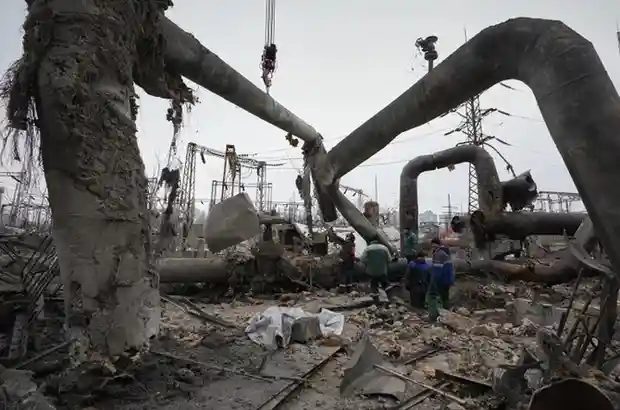
International Diplomacy and Nuclear Negotiations
Iran and U.S. Agree to Hold Nuclear Talks Friday in Oman as Trump Delivers Blunt Warning to Khamenei
Iran and the United States confirmed they will hold nuclear talks on Friday in Oman amid high tensions over Tehran’s nuclear program and the aftermath of a severe crackdown on protests. President Donald Trump issued a stark warning to Iran’s Supreme Leader, Ayatollah Ali Khamenei, saying he should be “very worried” as diplomacy and military pressure both loom.

Talks Set to Resume in Oman
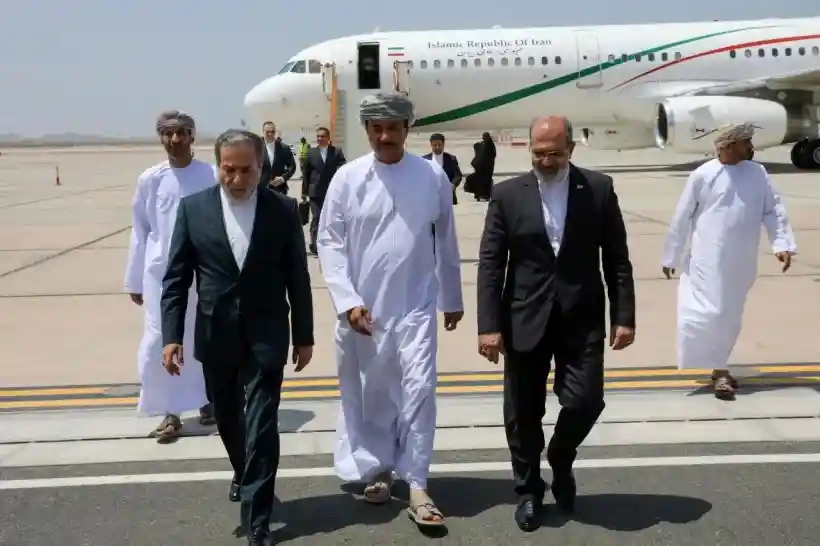
Iranian Foreign Minister Abbas Araghchi announced that high-level nuclear talks between Iran and the United States are scheduled to take place in Muscat, Oman, on Friday, February 6, 2026. This marks a significant diplomatic effort to address the ongoing concerns over Tehran’s nuclear activities, which have long been a source of tension between the two nations. The decision to resume the talks comes amid increasing uncertainty earlier in the week regarding both the format and the venue of the discussions. Initially, Iran rejected a broader regional meeting proposed by Turkey, which would have included other countries in the Middle East. Instead, Iran insisted on holding direct negotiations with Washington, highlighting its preference for a more focused, bilateral approach to resolving nuclear issues. This insistence on direct talks underscores Tehran’s desire to manage the situation on its own terms, without external interference. The U.S. has consistently pushed for broader discussions, including the future of Iran’s ballistic missile program and its influence in regional conflicts, but Iran has firmly resisted these proposals, focusing primarily on nuclear-related issues. Despite these differences, both sides have expressed a willingness to engage in dialogue, with the aim of defusing tensions and avoiding further escalation. The talks are set against the backdrop of rising geopolitical stakes, with the potential for the discussions to impact not only U.S.-Iran relations but also broader regional stability, especially in light of the ongoing security concerns surrounding Iran’s nuclear ambitions. The outcome of these talks will likely shape the future of diplomatic relations between the two nations and could have significant implications for global nonproliferation efforts.
Trump’s Stern Warning to Khamenei
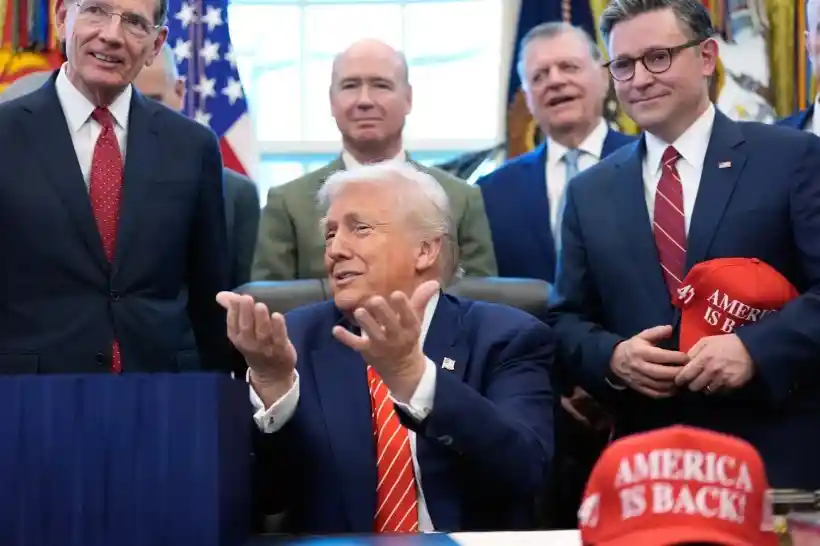
Ahead of the highly anticipated nuclear talks, U.S. President Donald Trump issued a stern warning to Iran’s Supreme Leader, Ayatollah Ali Khamenei, emphasizing that Tehran should be ‘very worried’ as negotiations unfold. In an interview with NBC News, Trump made it clear that the U.S. would not tolerate any further escalation of Iran’s nuclear activities or aggressive actions in the region. The warning reflects the growing tensions between the two nations, which have been exacerbated by a series of provocative actions by Iran, including its military presence in the Middle East and its support for proxy forces. Trump's comments were delivered amid an ongoing U.S. military build-up in the region, which serves as both a deterrent and a show of force in response to Iran’s actions. The increased U.S. military presence, coupled with the rhetoric coming from the White House, signals a continued hardline stance on Iran’s nuclear program and its regional behavior. At the same time, the U.S. has signaled its openness to diplomacy, with the resumption of nuclear talks in Oman providing a potential avenue for de-escalation. However, Trump’s warning to Khamenei underscores the high stakes of these talks, as the U.S. administration remains deeply concerned about Iran’s nuclear intentions and its growing influence in the region. This diplomatic engagement is taking place in the context of heightened internal instability within Iran, where widespread protests against the government have led to a severe crackdown. The Iranian regime’s response to these protests, which has included violent repression, has only fueled further tensions with the West and the international community. Trump’s warning serves as a reminder that, while diplomacy may offer a path forward, the U.S. will not shy away from using military pressure if it deems it necessary to prevent Iran from acquiring nuclear weapons or destabilizing the region.
The upcoming talks between the U.S. and Iran also come at a time of significant regional diplomacy and efforts by external actors to mediate between the two sides. Oman, a longtime neutral intermediary, has played a pivotal role in facilitating dialogue between Washington and Tehran. Oman’s role as a mediator is particularly significant, as it has maintained cordial relations with both the U.S. and Iran, positioning itself as a trusted venue for negotiations. The upcoming talks in Muscat highlight Oman’s continuing commitment to fostering diplomatic engagement in a volatile region, where the risks of military conflict are ever-present. Several Arab and Muslim leaders, including officials from Qatar and Egypt, have urged the U.S. to avoid abandoning the talks despite significant disagreements over the agenda and format. These regional powers are keenly aware of the potential consequences of a breakdown in talks, which could lead to further instability in the Middle East. Turkey, initially considered as a possible host for the talks, ultimately did not serve as the venue after Iran insisted on a more limited, bilateral setting. This development underscores the delicate nature of the negotiations and Iran’s desire to manage the talks without external influence. Despite the challenges, there remains a broad regional interest in preventing an escalation of tensions and ensuring that the nuclear issue is addressed through peaceful means. The stakes are high for all parties involved, as the outcome of these talks will not only shape the future of U.S.-Iran relations but also influence the broader security landscape in the Middle East. The negotiations are likely to be closely scrutinized by both regional actors and the international community, as they will have lasting implications for the future of nuclear nonproliferation and the geopolitical balance of power in the region.
Leave a Comment
Your email address will not be published. Required fields are marked *