Geopolitical Tensions and Nuclear Diplomacy
What to Know as Iran and U.S. Set for Nuclear Talks in Oman
Iran and the United States are preparing to hold nuclear talks in Muscat, Oman, on Friday, resuming diplomatic engagement over Tehran’s nuclear program amid persistent tensions marked by disagreements over agenda, venue and regional security as well as President Trump’s warnings to Iranian leaders.

Talks Rescheduled to Oman After Format Dispute
After weeks of diplomatic uncertainty, high-level nuclear talks between Iran and the United States are set to take place in Muscat, Oman, on Friday, February 6, 2026. This comes after significant discussions about the venue and the format of the talks, which saw Iran rejecting a proposed broader regional meeting. Tehran insisted on a more focused, bilateral approach, centering specifically on nuclear issues. This insistence led to the decision to move the talks to Oman, a country that has long acted as a neutral intermediary between the U.S. and Iran. Oman’s role in facilitating dialogue is crucial, as it has helped mediate previous rounds of negotiations between the two countries. The shift from Turkey, which had been considered a possible host for the talks, reflects Iran’s desire to manage the discussions on its own terms. While Oman’s hosting of the talks is a positive step, it underscores the importance of ensuring that the negotiations remain focused on Iran’s nuclear program, without expanding into broader issues such as regional influence or ballistic missile development. Despite the initial disagreements over the format, the fact that the two countries are resuming talks is a significant development, reflecting a shared interest in finding a diplomatic resolution to the nuclear issue. However, as the talks unfold, the challenges of reconciling Iran’s priorities with those of the U.S. will likely continue to pose significant obstacles to reaching a comprehensive agreement.
Both Iran and the United States have framed the upcoming nuclear talks primarily around Iran’s nuclear activities and the potential for sanctions relief, although deep disagreements remain. Iran has made it clear that it will only discuss its nuclear program and has explicitly rejected the inclusion of topics such as ballistic missile development or regional security issues in the talks. The U.S., on the other hand, has signaled that any meaningful agreement must address not only Iran’s nuclear activities but also other aspects of its broader security strategy, including its missile program and involvement in regional conflicts. This divergence in priorities is expected to be one of the most contentious issues during the negotiations. Iran’s refusal to discuss its ballistic missile development or regional actions has been a consistent point of tension in previous rounds of talks. Meanwhile, the U.S. is likely to insist on including these issues in any final agreement, viewing them as integral to the overall security concerns surrounding Iran’s nuclear program. The crux of the discussions will revolve around constraints on Iran’s uranium enrichment capabilities, verification measures, and the overall scope of its nuclear ambitions. While Iran has indicated a willingness to negotiate, its insistence on keeping the talks narrowly focused on nuclear issues without expanding into other areas could limit the potential for a comprehensive deal. This sets the stage for a difficult negotiation process, where both sides will need to make significant compromises in order to reach a resolution that satisfies both Iran’s nuclear ambitions and the U.S.’s broader security concerns.
Trump’s Maximum Pressure and Military Warnings
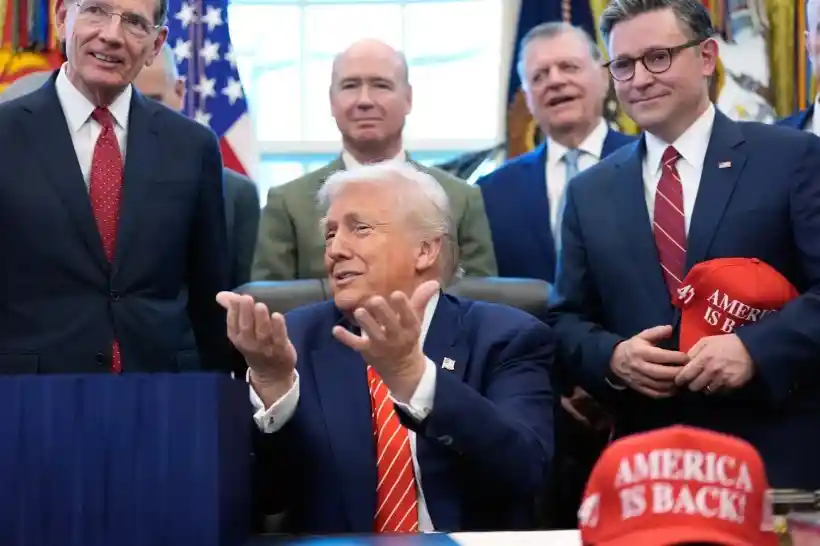
Ahead of the rescheduled talks in Oman, U.S. President Donald Trump issued a stern warning to Iran’s Supreme Leader, Ayatollah Ali Khamenei, saying that Iran should be 'very worried' as the United States remains ready to escalate its actions if talks fail to produce results. This statement reflects the administration’s ongoing ‘maximum pressure’ strategy, which has included a combination of diplomatic isolation, economic sanctions, and military posturing aimed at curbing Iran’s nuclear ambitions and its regional activities. Trump’s comments were delivered during an NBC News interview, where he emphasized that the U.S. would not hesitate to take military action if necessary to ensure that Iran does not acquire nuclear weapons. The U.S. military presence in the region has been bolstered in recent months, as tensions between Washington and Tehran have escalated over the past year. Trump's rhetoric serves as a reminder that, while diplomacy may offer a path to a negotiated settlement, the U.S. remains prepared to use force if diplomatic efforts fail. Iran’s response to Trump’s threats, along with its broader actions in the region, including its support for proxy groups and its missile development, will play a central role in shaping the course of the talks. The interplay between diplomatic engagement and military pressure highlights the complex and high-stakes nature of U.S.-Iran relations. Both sides will need to carefully navigate the upcoming negotiations to avoid further escalation, as the consequences of failure could be severe.
The resumption of nuclear talks between the U.S. and Iran also comes at a time of heightened regional tensions, particularly in the Gulf, where naval confrontations and military incidents have become more frequent. The potential for a broader conflict in the region has drawn significant international concern, with many nations urging both sides to prioritize diplomatic solutions to avoid further escalation. Several Arab and Muslim leaders, including those from Egypt and Qatar, have reportedly urged the U.S. not to abandon the talks, emphasizing the importance of dialogue in reducing the risk of a broader confrontation in the region. These regional powers are particularly concerned about the potential consequences of a breakdown in negotiations, which could lead to military conflict involving multiple actors. The situation is further complicated by Iran’s internal unrest, following a bloody crackdown on protests that has drawn international condemnation. This domestic repression has made the broader geopolitical context more volatile, with many observers worried that the Iranian government may respond to external pressure with more aggressive actions, both domestically and in the region. Iran’s ballistic missile development and its role in regional conflicts, including its support for groups in Syria, Iraq, and Yemen, remain significant points of contention in the nuclear negotiations. While Oman’s role as a mediator continues to be crucial, the regional dynamics will undoubtedly shape the trajectory of the talks, as both the U.S. and Iran navigate the delicate balance between pursuing diplomatic solutions and responding to military and political pressures.
As the nuclear talks approach, the prospects for a successful outcome remain uncertain. Significant hurdles persist, particularly regarding Iran’s insistence on keeping the discussions focused exclusively on nuclear issues while rejecting the inclusion of broader security concerns. This narrow approach contrasts with the U.S. demand to address not only nuclear enrichment but also Iran’s missile program and regional influence. While both sides have expressed a willingness to engage in talks, it remains to be seen whether they can find common ground on these key issues. Diplomats and analysts caution that meaningful progress will be difficult unless both parties are willing to compromise. Iran’s insistence on maintaining certain aspects of its nuclear program, including uranium enrichment, complicates efforts to reach a comprehensive agreement. Moreover, the broader geopolitical context, including the U.S.’s strategic military presence in the region and its ongoing efforts to isolate Iran diplomatically, adds further complexity to the negotiations. Despite these challenges, the resumption of talks in Oman represents an important opportunity for both sides to re-engage and seek a peaceful resolution to one of the most contentious issues in global diplomacy. The outcome of these talks could have profound implications for U.S.-Iran relations and regional stability, with the potential to either ease tensions or fuel further conflict.
Leave a Comment
Your email address will not be published. Required fields are marked *