Monetary Policy and Inflation Management
Australia’s Central Bank Raises Interest Rate to 3.85% After Three Cuts
Australia’s central bank lifted its benchmark interest rate by 25 basis points to 3.85%, reversing a string of three rate cuts last year as inflation climbed above its target, signaling a renewed tightening cycle to keep price growth in check.

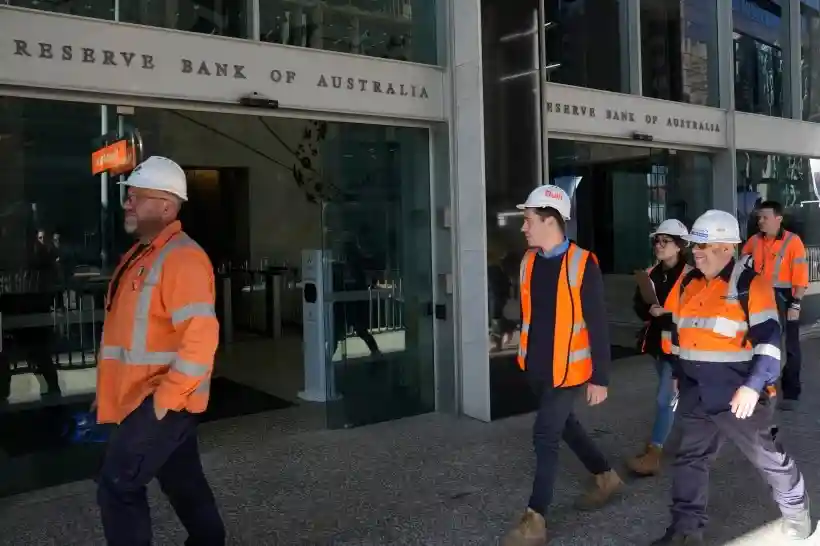
RBA Raises Cash Rate as Inflation Rises
In a decisive move on Tuesday, the Reserve Bank of Australia (RBA) raised its official cash rate by 25 basis points, bringing it to 3.85%. This rate increase marks the first hike since November 2023, ending a brief period of monetary easing that saw the central bank cut rates three times in 2025. The RBA’s decision to raise rates was driven by the accelerating inflationary pressures that have taken hold of the Australian economy, surpassing the bank’s preferred target range of 2-3%. Inflation has climbed to around 3.8% as of December 2025, far above the RBA’s target, prompting the central bank to act decisively in an attempt to contain further price increases. The board’s decision to reverse the previous rate cuts was unanimous, with many analysts and market participants anticipating such a move, given the continued uptick in inflation and strong economic activity across various sectors. While the decision was widely expected, it reflects a shift in monetary policy from the previous year when the RBA focused on supporting economic growth amid easing inflation. With inflation showing no signs of abating, the RBA has acknowledged that the time for easing has passed, and further tightening may be needed to ensure price stability. The central bank’s action to increase interest rates comes at a time when global inflationary pressures are also mounting, with many central banks around the world taking similar steps to tighten monetary policy in response to rising costs.
Inflation Picking Up and Economic Context
Inflation in Australia has become a key concern, as it has been consistently rising above the RBA’s target range of 2-3%. In December 2025, the inflation rate stood at approximately 3.8%, a significant increase from earlier in the year when inflation had eased. The RBA’s quarterly monetary policy review indicated that inflation had picked up in the latter half of 2025 due to a variety of factors, including stronger private demand, supply chain disruptions, and capacity constraints in certain industries. While consumer demand has remained resilient, particularly in sectors such as housing and consumer goods, there are signs of increased cost pressures, particularly in the services sector, that have contributed to the overall rise in inflation. The RBA noted that these factors had outweighed the benefits of previous rate cuts, which had been implemented to support economic growth. The rebound in inflation is particularly concerning as it comes on the back of a global trend of rising prices, exacerbated by the ongoing recovery from the COVID-19 pandemic and supply chain challenges. As demand continues to outpace supply in certain sectors, businesses are facing higher input costs, which are then passed on to consumers in the form of higher prices. The RBA’s decision to raise interest rates is aimed at curbing these inflationary pressures by reducing consumer spending and dampening demand. However, the central bank is also mindful of the risks that tightening monetary policy could pose to economic growth, particularly as the Australian economy has been performing relatively well despite global headwinds. The RBA is tasked with finding the delicate balance between controlling inflation and supporting economic activity.
Impact on Households and Borrowers
For many households in Australia, the recent rate hike will have immediate consequences, particularly for those with variable-rate mortgages. Following the RBA’s decision to raise interest rates, major Australian banks, including Commonwealth Bank, Westpac, NAB, and ANZ, announced they would increase their home loan variable interest rates by 25 basis points. This will result in higher monthly repayments for many mortgage holders, starting as early as mid-February 2026. For households already stretched by high levels of debt, the increase in borrowing costs could put additional strain on budgets, particularly for first-time homebuyers and those with large loans. Mortgage holders may face difficulties in absorbing the higher repayments, which could dampen consumer confidence and spending, particularly in sectors sensitive to household expenditure, such as retail and housing. Economists have warned that the higher borrowing costs could lead to a slowdown in housing market activity, as fewer people may be able to afford to purchase homes at the higher interest rates. Additionally, the rise in mortgage repayments could force households to scale back spending in other areas, which may have a ripple effect throughout the economy. Despite these potential risks, the RBA’s rate hike was seen as necessary to address rising inflation and ensure long-term price stability. However, it remains to be seen how the rate increase will affect consumer sentiment and broader economic growth in the coming months.
RBA’s Forward Guidance and Outlook
Reserve Bank Governor Michele Bullock and the Monetary Policy Board have signaled that inflation is likely to remain above the target range for the foreseeable future, and they have kept the door open for further rate increases if necessary. The RBA’s decision to raise interest rates in response to rising inflation reflects the central bank’s commitment to maintaining price stability and protecting the purchasing power of consumers. However, policymakers have also emphasized that future rate hikes will be data-dependent, meaning that the central bank will closely monitor economic indicators such as inflation trends, the labor market, and overall economic growth. The RBA has stated that it will remain flexible in its approach to monetary policy, responding to economic conditions as they evolve. While the board remains focused on controlling inflation, it also seeks to avoid stifling economic growth, which has remained relatively robust despite the global economic challenges of recent years. In its statement, the RBA noted that the Australian labor market remains strong, with unemployment at historically low levels, and consumer spending has continued to show resilience. Despite these positive trends, the central bank is aware of the risks posed by ongoing inflationary pressures and rising living costs. The RBA’s forward guidance suggests that it may continue to tighten monetary policy in the coming months if inflation does not show signs of easing. Policymakers have made it clear that they will not hesitate to take further action if necessary to bring inflation back within the target range, even if it means slowing down the pace of economic growth.
The RBA’s recent decision to raise interest rates represents a significant reversal in Australia’s monetary policy stance, after a period of rate cuts aimed at stimulating economic growth. In 2025, the central bank implemented three rate cuts in response to easing inflation and concerns about global economic uncertainty. However, with inflation now on the rise again, the RBA has moved to tighten monetary policy to prevent prices from accelerating further. This shift highlights the ongoing challenges the central bank faces in balancing the need for economic growth with the imperative of keeping inflation in check. The rate hike signals that the RBA is willing to take more aggressive steps to manage inflation, even if it means slower growth in the short term. In response to this policy shift, markets have started pricing in the possibility of additional rate hikes in the coming months, especially if inflation remains above the target range. While some market participants have expressed concerns about the potential negative effects of higher interest rates on borrowing costs and household budgets, others believe that the RBA’s actions are necessary to ensure long-term economic stability. The reversal of the previous rate cuts underscores the central bank’s commitment to managing inflation, but it also reflects the complex dynamics of the global economy, where inflationary pressures remain persistent despite ongoing efforts to contain them. As Australia navigates this challenging economic environment, the RBA’s monetary policy decisions will continue to play a crucial role in shaping the country’s economic outlook.
Leave a Comment
Your email address will not be published. Required fields are marked *