International Extradition and Accountability
Argentina Requests Extradition of Maduro from the US on Crimes Against Humanity Charges
Argentina’s federal judiciary has formally requested that the United States extradite former Venezuelan President Nicolás Maduro to Buenos Aires to face prosecution for alleged crimes against humanity, adding a new international dimension to his current legal battles while in U.S. custody.
Judicial Request Filed in Buenos Aires
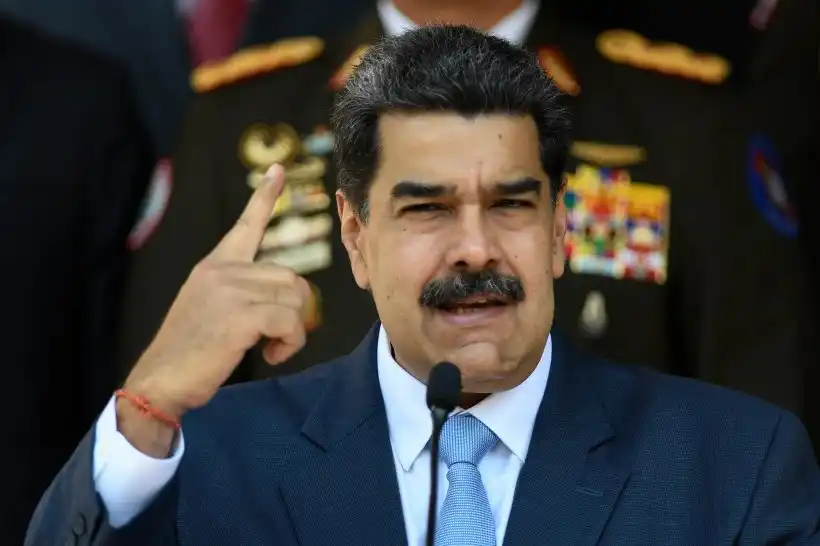
An Argentine federal judge, Sebastián Ramos, formally filed a request for the extradition of Nicolás Maduro, the former president of Venezuela, from the United States to Argentina. This request, filed on Wednesday, is based on Argentina’s 1997 extradition treaty with the U.S. The request seeks Maduro’s transfer so that he can face prosecution for alleged crimes against humanity committed during his presidency in Venezuela. These charges include allegations of systemic torture, arbitrary detention, and enforced disappearances of Venezuelan citizens carried out by Venezuelan state security forces. Maduro is currently in U.S. custody facing federal charges related to narcoterrorism and conspiracy to import cocaine into the United States, which has raised questions about how his extradition to Argentina would proceed. Argentina’s legal action signals a further extension of international legal efforts aimed at holding Maduro accountable for his role in the human rights violations that have plagued Venezuela. The case is set to test international extradition processes and raise important legal and diplomatic questions about how alleged crimes against humanity are prosecuted across borders, particularly when the accused is already involved in another legal matter in a third country.
Argentina’s request for Maduro’s extradition is rooted in the doctrine of universal jurisdiction, a principle of international law that allows states to prosecute certain grave offenses regardless of where they were committed. This principle is particularly significant in cases involving genocide, torture, and crimes against humanity. The legal framework under universal jurisdiction allows any country that recognizes the doctrine to intervene in cases where perpetrators of such crimes might seek refuge in foreign territories. In the case of Nicolás Maduro, human rights organizations representing the victims of Venezuela’s oppressive regime originally filed the case in Buenos Aires in 2023. These organizations have argued that Maduro oversaw a vast and systematic campaign of repression against political opponents and civilian populations, particularly during the height of political unrest in Venezuela. The principle of universal jurisdiction thus provides Argentina with the legal grounds to pursue justice for these victims. While Argentina is among a handful of countries that have statutes enabling such extraterritorial actions, its decision to act in this way emphasizes the importance of international accountability and the need for mechanisms that ensure those responsible for egregious human rights violations do not escape justice simply because of their national origin or political power. The request has garnered attention not only in Latin America but globally, with numerous human rights advocates supporting Argentina’s move and calling for further international action against authoritarian leaders who violate human rights with impunity.
While the request for extradition has been formally submitted, the question of whether it will be granted by the U.S. government remains highly uncertain. Maduro, along with his wife Cilia Flores, is currently incarcerated in a Brooklyn jail awaiting trial on U.S. federal charges, including narcoterrorism and conspiracy to import cocaine into the United States. Given these ongoing criminal proceedings in the U.S., it is unlikely that U.S. authorities would immediately comply with Argentina’s extradition request. Any potential extradition would require intricate legal and diplomatic negotiations between the U.S. and Argentina, and given the political sensitivity surrounding Maduro’s status as the former head of state of Venezuela, the situation becomes even more complex. Furthermore, the U.S. has historically been cautious about extraditing foreign nationals involved in high-stakes international diplomacy, particularly when there are competing legal cases at play. For the U.S., the priority may be ensuring that the criminal charges Maduro faces within the United States are resolved before considering any other extradition requests. In addition to the existing legal complexities, the diplomatic relationships between the U.S., Venezuela, and Argentina could influence how this request is handled, adding another layer of difficulty in navigating the request through official channels.
Human Rights Advocates Applaud the Move
Human rights groups and advocates for justice have strongly supported Argentina’s extradition request, viewing it as a significant step forward in the global fight against impunity for crimes against humanity. The Argentine Forum for the Defense of Democracy, along with other organizations, has called the judicial filing a landmark action that demonstrates Argentina’s commitment to prosecuting international human rights violations. These groups argue that Argentina’s decision to pursue justice for Venezuelan victims sends a clear message to other authoritarian leaders around the world that they cannot escape accountability for their actions. The international community, particularly those within human rights circles, sees this as a model for how countries can work together to hold powerful figures accountable, regardless of their location or the political asylum they might claim. However, critics have raised concerns about the challenges that Argentina will face in securing Maduro’s extradition. Legal obstacles, as well as political resistance from other quarters, could hinder the extradition process. Despite these challenges, advocates for human rights continue to press forward, viewing this request not just as a legal matter but as part of a broader movement to seek justice for the countless victims of repressive regimes worldwide. Human rights groups are now calling for similar actions to be taken against other leaders who have perpetrated similar crimes, pushing for stronger international cooperation in prosecuting perpetrators of grave offenses.
Leave a Comment
Your email address will not be published. Required fields are marked *