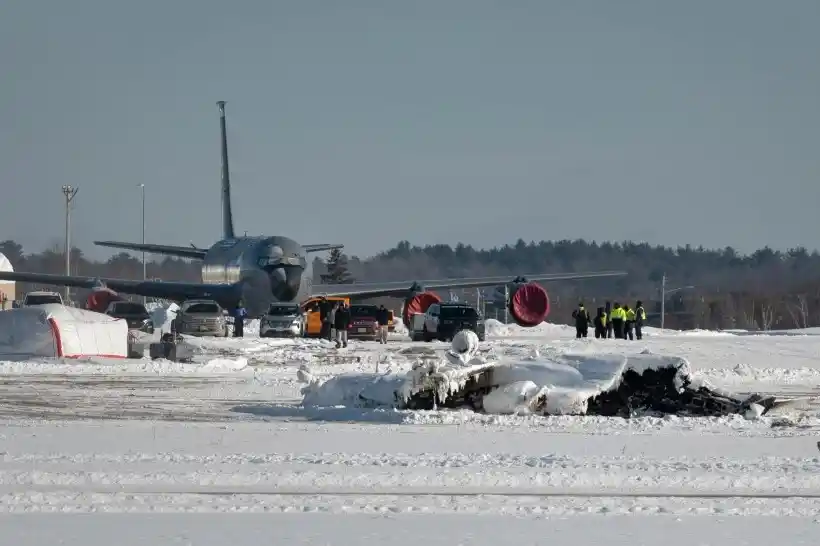
Aviation Safety Reforms
Families of 67 Killed in US Aircraft Crash Remember Loved Ones and Call for Reforms
On the first anniversary of the deadly mid‑air collision that claimed 67 lives near Washington, D.C., families of the victims gathered to honor their loved ones' memories and renew urgent calls for sweeping aviation safety reforms as investigators highlight systemic failures that led to the tragedy.

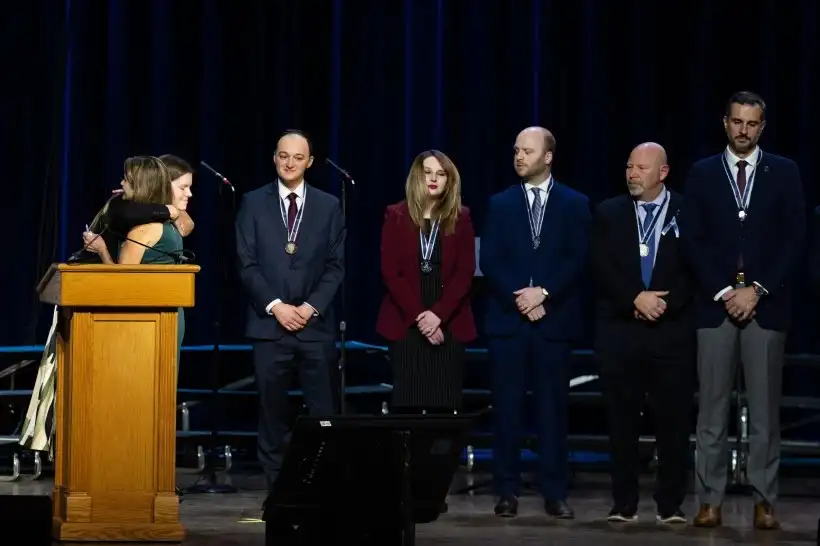
Anniversary Memorial Honors the Victims
Family members, friends and community supporters packed Constitution Hall in Washington, D.C., on Jan. 27, 2026, for a moving ceremony marking one year since the tragic mid‑air collision between an American Airlines regional jet and a U.S. Army Black Hawk helicopter. Musical tributes, personal stories, and visual tributes — including portraits, videos and personal mementos — highlighted the individuality of those lost, underscoring the profound human toll of the disaster. Loved ones shared memories of parents, children, siblings and partners whose lives were cut short moments before landing. The event reflected both grief and a collective commitment to ensuring the victims’ legacies lead to meaningful change. Families emphasized that while their hearts remain broken, their determination to seek accountability and safer skies endures. The memorial highlighted not just the tragedy, but the strength of the victims’ families who continue to press for reforms that would prevent similar incidents in the future. Their voices have become central in the push for changes to aviation safety protocols.
Investigation Findings Highlight Preventable Failures
National Transportation Safety Board (NTSB) investigators have concluded that the Jan. 29, 2025 collision — the deadliest U.S. aviation disaster in over 20 years — was entirely preventable, pointing to a series of systemic failures involving both the Federal Aviation Administration (FAA) and military helicopter operations. Investigators cited ignored safety warnings, insufficient air traffic control safeguards around Ronald Reagan Washington National Airport, and inadequate data sharing between agencies. Animated reconstructions shown at recent hearings illustrated how limited visibility conditions and inadequate separation oversight contributed to the fatal convergence of the two aircraft. The NTSB has since issued more than 30 recommendations aimed at overhauling safety protocols, including improvements to traffic management and collision avoidance technologies intended to prevent future tragedies. These findings have further fueled the families' resolve to advocate for change, highlighting the importance of addressing the systemic issues that contributed to the crash. The NTSB’s recommendations have sparked a broader debate over aviation safety, with many calling for immediate action to implement these changes.
Surviving relatives and loved ones of the 67 victims have become outspoken advocates for aviation safety reform in the year since the tragedy. Drawing on their shared grief, families have formed support and advocacy networks to urge federal lawmakers to adopt robust policy changes. Central goals include mandating Automatic Dependent Surveillance‑Broadcast (ADS‑B) tracking for all aircraft, upgrading air traffic control procedures, and increasing transparency and accountability across civilian and military aviation operations. Testimony from family members during hearings has underscored not only the emotional devastation of the crash but also the urgent need to transform lessons learned into enforceable safety standards. Their advocacy has helped shape legislative proposals under consideration in Congress. The families' tireless efforts have brought increased attention to the vulnerabilities in the nation’s aviation system, prompting lawmakers to reassess existing policies and push for stronger oversight. Many lawmakers now recognize the necessity of improving the nation’s air traffic control systems to prevent future tragedies, and there is growing bipartisan support for the reforms pushed by the victims’ families.
Federal and Legislative Responses Underway
In response to the tragedy and families’ demands for reform, federal authorities and lawmakers have taken steps to address aviation safety gaps. The NTSB has reaffirmed its commitment to implementing all of its safety recommendations. Simultaneously, legislative efforts — including hearings by the U.S. Senate Commerce Committee — are focusing on translating those recommendations into enforceable laws. Proposals such as the ROTOR Act, aimed at enhancing transparency and real‑time aircraft tracking, have garnered bipartisan support, reflecting broader recognition of systemic vulnerabilities exposed by the crash. Officials emphasize that effective reform requires both regulatory action and technological upgrades to modernize airspace safety infrastructure. While there is still work to be done, the growing momentum for reform suggests that meaningful change is on the horizon, with many hopeful that these measures will help prevent similar tragedies in the future.
Personal Legacies and Broader Impact
Beyond policy debates and investigatory hearings, the memory of the 67 lives lost continues to resonate deeply within affected communities across the nation. Families have held smaller, personal commemorations, sharing stories of loved ones’ passions, dreams and contributions, while public spaces — including planned memorials — are being dedicated to honor their legacies. Advocates stress that these efforts serve not only as remembrances but also as catalysts for collective commitment to aviation safety. In commemorating the individuals who perished, survivors advocate ensuring that such loss never recurs, weaving personal remembrance into a broader societal imperative to protect future generations of travelers. These memorials and tributes are vital to ensuring that the victims' deaths serve as a catalyst for long-term, meaningful change in the aviation industry.
Leave a Comment
Your email address will not be published. Required fields are marked *