Global Affairs
Trump Plans Tariff Cut on Indian Goods After India Halts Russian Oil Purchases
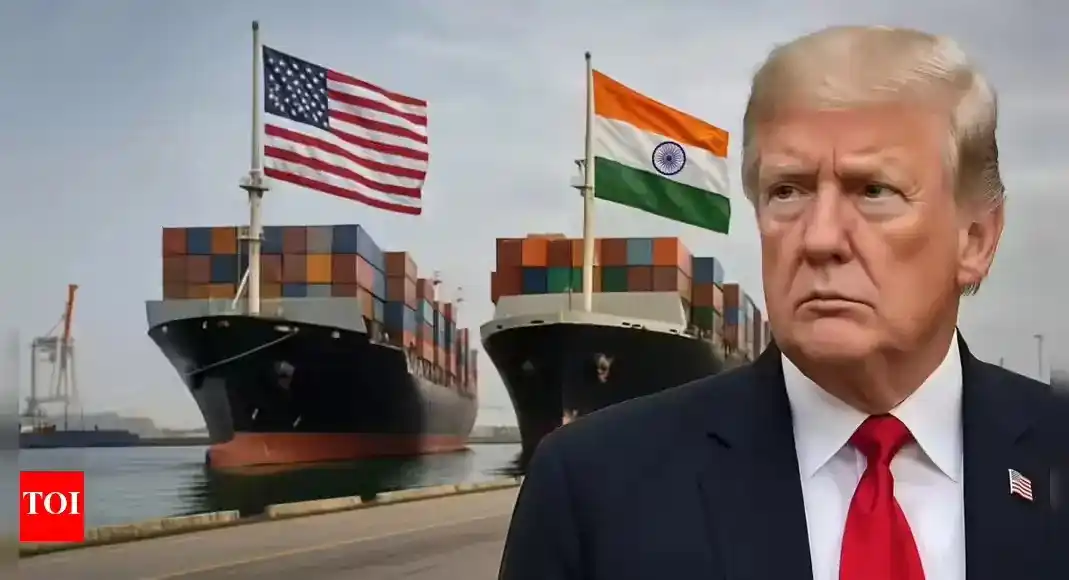
Former US President Donald Trump said tariffs on Indian goods could be reduced to around 18% as part of a new trade understanding between the United States and India. The statement came after reports that India agreed to reduce or stop purchasing Russian oil, signaling a potential shift in its energy and geopolitical strategy. Trump indicated that the tariff reduction would help strengthen economic cooperation and improve bilateral trade relations. The move could ease tensions that previously arose over high tariffs and market access issues. Analysts say the development reflects a broader alignment between the two countries on trade and global strategic interests.

Tariff Reduction Tied to Energy Policy Shift
Former President Donald Trump’s proposed tariff reduction on Indian goods is intricately tied to India’s decision to halt its purchases of Russian oil. The tariff cut, expected to bring Indian imports into the US market at a more competitive rate, is not just an economic move but a geopolitical one. Trump has framed this tariff cut as a reward for India’s compliance with global energy realignment efforts, as many countries, particularly in the West, have been under increasing pressure to sever trade ties with Russia following its actions in Ukraine and other parts of the world. By agreeing to stop importing Russian oil, India signals that it is aligning more closely with the US and its allies, marking a pivotal shift in global energy politics. The move also presents India with a significant opportunity to access the US market, which had been highly protected due to trade disputes and high tariff rates. Trump’s tariff cut aims to encourage stronger economic ties between the US and India, potentially leading to increased trade flows in sectors like manufacturing, technology, and pharmaceuticals. This shift underscores the growing interconnection between energy policy and trade policy, suggesting that energy diversification could play a larger role in shaping global economic alliances in the years to come. As countries around the world adjust their energy policies, we may see more cases of trade deals being used as leverage to influence geopolitical strategies. India’s energy policy shift, which many viewed as a necessary step to align with global standards, could thus serve as a model for other countries seeking to navigate the complexities of international trade and energy security.
Impact on US–India Trade
The proposed tariff reduction on Indian goods could have profound implications for US-India trade relations, particularly across key sectors like manufacturing, textiles, and technology. With lower tariffs, Indian companies would gain a competitive advantage in the US market, leading to an increase in exports. This change would provide an economic boost to Indian industries that have historically struggled to penetrate the American market due to high tariff barriers. Analysts believe this could lead to greater economic integration between the two countries, especially in sectors where India has a strong comparative advantage. For instance, Indian technology firms, which have already established a significant presence in the US through outsourcing and IT services, could expand their footprint, tapping into new opportunities across various tech-driven industries. The reduction in tariffs would make Indian-made products more attractive to US consumers and businesses alike, further solidifying the economic ties between the two countries. Additionally, this trade boost could help India enhance its manufacturing capabilities, create more jobs, and improve its export-driven growth model. On the US side, the benefits of increased trade could also be substantial, as it provides American consumers with access to a wider range of products at lower prices, particularly in sectors like textiles and pharmaceuticals. However, some domestic industries in the US might view this change with concern, especially those that compete directly with Indian-made products. These industries might face greater competition, which could lead to challenges in terms of price undercutting and market share. Nevertheless, the overall shift seems to favor a strengthening of bilateral relations, as both sides stand to gain from enhanced trade flows and economic cooperation.
Geopolitical Implications
India’s shift away from Russian oil purchases has broader geopolitical implications beyond trade. By aligning its energy policies more closely with the US and its allies, India is signaling a deeper strategic alignment with the Western world, particularly in the context of the ongoing geopolitical tensions between the US and Russia. This move may alter India’s longstanding policy of maintaining non-alignment in global geopolitics, as it increasingly finds itself on the same side as the US in key international issues. Experts note that this shift could signal a realignment in India’s foreign policy, with greater emphasis on deepening ties with Western nations, especially in the energy sector. The cessation of Russian oil imports is likely a part of India’s broader strategy to diversify its energy sources, reducing its dependence on any one country and ensuring a more stable and secure energy future. Geopolitically, India’s decision to pivot away from Russia and towards the US strengthens the global coalition opposing Russian actions on the international stage. However, this shift is not without risks for India. By distancing itself from Russia, India may face economic and diplomatic repercussions from its traditional partners, including potential strains on its relations with Moscow, which has been an important ally in various international forums. As India navigates these changes, it will likely have to strike a delicate balance between maintaining its longstanding strategic relationships and building new partnerships, especially with the US, which has become a central player in global security and economic affairs.
Business and Market Reactions
Markets have responded cautiously to the proposed tariff reduction and India’s shift away from Russian oil, with businesses closely monitoring the potential impact on supply chains, cost structures, and competitive dynamics. Indian exporters, particularly those in the textile and technology sectors, are optimistic about the potential for increased exports to the US as a result of the lower tariffs. These industries stand to benefit from expanded access to one of the largest consumer markets in the world, which could lead to higher revenues and greater international recognition. However, businesses in the US that compete with Indian manufacturers are more cautious about the potential for increased competition. US manufacturers may face pressure as Indian-made goods enter the market at lower prices, forcing them to adjust their pricing strategies and possibly rethink their production processes to stay competitive. Additionally, businesses in both countries will be watching closely to see if this tariff reduction translates into a more comprehensive trade deal or if it is an isolated move tied to specific geopolitical shifts. The overall sentiment in the markets is one of cautious optimism, as the potential benefits of increased trade with India could be offset by the risks of more competition, especially in industries like textiles, pharmaceuticals, and technology. The adjustment of supply chains, while offering opportunities for growth, could also present challenges as companies navigate the complexities of shifting trade dynamics and changing geopolitical landscapes.
Uncertainty Around Implementation
While Trump’s announcement regarding the tariff reduction is a clear signal of intent, significant uncertainty remains regarding the timing, scope, and enforcement of the changes. Trade officials in both the US and India have emphasized that the tariff cut will require further negotiations, policy approvals, and potentially legislative changes before it can take effect. The process of implementing such a change is rarely straightforward, and there may be challenges in aligning the interests of various stakeholders in both countries. In the US, lawmakers will need to weigh the potential economic benefits of the tariff reduction against the interests of domestic industries that may be negatively impacted by increased competition from Indian goods. Similarly, Indian officials will need to ensure that the tariff reduction aligns with their broader trade and economic strategies, ensuring that it does not inadvertently hurt domestic industries or disrupt the country’s overall economic balance. Moreover, the actual implementation of the tariff reduction could be delayed by ongoing negotiations over other aspects of US-India trade relations, including issues related to intellectual property, trade imbalances, and market access. Until the details of the deal are worked out and approved, it remains unclear how quickly Indian goods will benefit from lower tariffs or what specific sectors will be most affected. The uncertainty surrounding the tariff reduction highlights the complex nature of international trade negotiations and underscores the need for careful planning and coordination between the two countries.
Leave a Comment
Your email address will not be published. Required fields are marked *