Geopolitical Realignment and Global Trade
Under Trump Pressure, US Allies Recalibrate Ties With China
US allies are adjusting their economic and diplomatic relationships with China as pressure from former President Donald Trump reshapes global trade and geopolitical alignments.

Allies Reconsider China Strategy
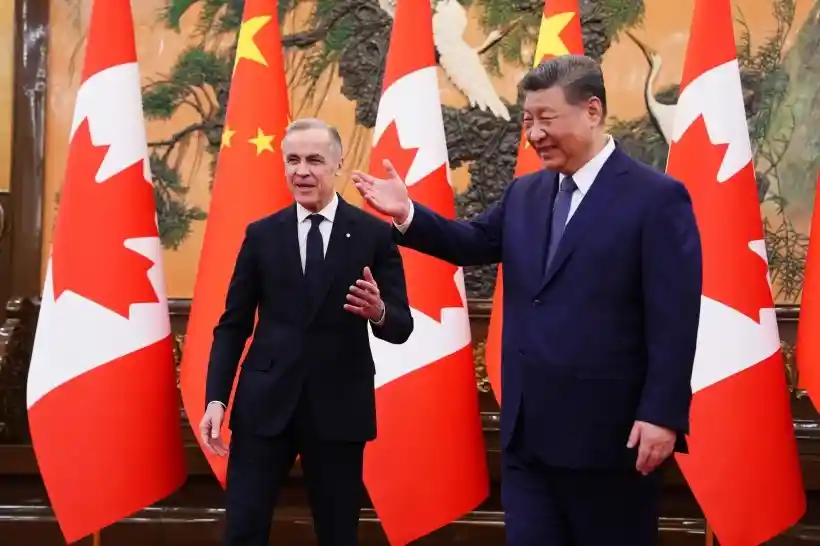
In recent years, countries aligned with the United States have found themselves reevaluating their strategies concerning China, particularly in light of the increasingly assertive foreign policies implemented by former President Donald Trump. This recalibration is driven by a number of factors, including national security concerns, the growing economic and technological competition with China, and the evolving dynamics of international trade. Trump’s administration has been particularly vocal in advocating for tougher stances on China, with trade wars, tariffs, and restrictions on technology companies like Huawei being the most visible elements of his China strategy. As a result, US allies, including major European nations, Japan, Australia, and even Canada, are rethinking their economic, diplomatic, and military relations with China. While some of these countries have historically been deeply integrated into the Chinese economy through trade and investment, the Trump administration’s push for more self-reliance and regional security autonomy has forced a shift in perspective. Governments are now facing the difficult task of balancing economic dependence on China with the growing security concerns regarding Beijing’s rising influence in the global order. This shift is not just a response to US pressure but also reflects broader changes in the geopolitical landscape, with China’s growing economic and military power challenging the established global order. As these countries reconsider their strategies, they are increasingly looking to diversify their economic partnerships, reduce reliance on Chinese manufacturing, and enhance security cooperation among like-minded nations. This recalibration of ties with China represents a new phase in the geopolitical and economic realignment that could have lasting consequences for global trade and international relations.
Trade and Supply Chain Shifts
In response to the pressure exerted by the United States, as well as the shifting dynamics of global trade, US allies are making significant adjustments to their trade policies and supply chain strategies. One of the most notable trends is the diversification of supply chains, with countries seeking to reduce their over-reliance on Chinese manufacturing. For years, China has been the world’s factory, and many countries have depended heavily on its production capabilities for a wide range of goods, from electronics to consumer products. However, as tensions between the US and China have escalated, and with the growing realization of the risks associated with such dependence, many US allies are exploring alternative manufacturing hubs in other parts of Asia, Latin America, and even back in their home countries. This shift is being driven not only by security concerns, such as China’s increasing control over critical supply chains and its use of economic leverage for geopolitical purposes, but also by the need for greater resilience in the face of disruptions, such as those caused by the COVID-19 pandemic. Many governments are now prioritizing strategic autonomy, recognizing that their supply chains must be more flexible and diversified in order to withstand future global disruptions. Additionally, businesses are being forced to rethink their production models, as the cost advantages of manufacturing in China are increasingly being offset by geopolitical risks and supply chain vulnerabilities. These changes are reshaping global trade flows, with countries and companies looking to strengthen their domestic manufacturing capabilities and forge new partnerships with countries outside of China’s economic sphere. However, this diversification comes with its own set of challenges, including higher production costs, increased competition for labor, and the need for new infrastructure and logistics networks. Nevertheless, the long-term trend toward reducing reliance on China is likely to continue, as both economic and geopolitical considerations push countries to find new, more sustainable trade models.
China Responds to Policy Changes
In response to the recalibration of relations between US allies and China, Beijing has signaled its concern over the potential economic consequences of these shifts. As countries move away from over-reliance on Chinese supply chains and explore alternative markets, China is facing the prospect of losing its central role in global trade. Beijing has long viewed its economic growth as being deeply tied to its integration into the global trading system, and the increasing fragmentation of global supply chains could have serious implications for its future growth. To mitigate these risks, Chinese officials have been working diligently to maintain their influence in global affairs, both through economic outreach and diplomatic efforts. One key strategy has been strengthening China’s regional ties through initiatives like the Belt and Road Initiative, which aims to build infrastructure and foster economic ties with countries across Asia, Africa, and Europe. Additionally, China has been working to deepen its relationships with emerging markets and developing economies, offering investment and trade partnerships to help offset the potential impact of declining demand from US allies. However, this strategy has not been without its challenges. Many countries are increasingly wary of China’s rising economic and political influence, and some have expressed concerns about being drawn into China’s sphere of influence through initiatives like the Belt and Road. Furthermore, China’s aggressive stance in regional territorial disputes, such as in the South China Sea, has led to increased tensions with neighboring countries, which may further complicate its efforts to maintain global influence. As the world’s second-largest economy, China is still a major player in global trade, but the recalibration of ties between its key trading partners could fundamentally alter the global economic landscape in the years to come.
Global Economic Implications
The recalibration of relations between US allies and China is likely to have profound implications for the global economy, reshaping trade flows, investment patterns, and international economic alliances. As countries reduce their dependence on Chinese manufacturing and shift their supply chains to other regions, the balance of global trade will begin to shift. Analysts predict that this process will lead to the fragmentation of global supply chains, with countries and companies focusing more on regional rather than global integration. While this could increase the resilience of some economies, it may also result in higher costs for businesses and consumers. Fragmentation could also exacerbate existing trade imbalances and create new barriers to international trade. The realignment of supply chains is likely to benefit countries in Southeast Asia, Latin America, and even some parts of Africa, as businesses seek alternative production bases that offer lower costs or closer proximity to key markets. However, this diversification will not be a quick or easy process. Many countries will face significant hurdles as they attempt to rebuild their manufacturing capabilities, including the need for new infrastructure, skilled labor, and capital investment. Furthermore, the fragmentation of supply chains could lead to increased competition for raw materials and other resources, potentially driving up prices and creating bottlenecks in key industries. For China, the economic consequences of this shift are likely to be significant, as it risks losing its central position in global trade. However, China’s response to these changes, particularly through its regional trade partnerships and infrastructure projects, will be crucial in determining how well it adapts to the evolving global economic environment. The shift in global economic patterns will require careful management, as countries navigate the complexities of balancing economic growth with geopolitical considerations.
Leave a Comment
Your email address will not be published. Required fields are marked *