International Trade and Diplomacy
US Trade Partners Forge New Alliances Amid Renewed Trump Tariff Threats
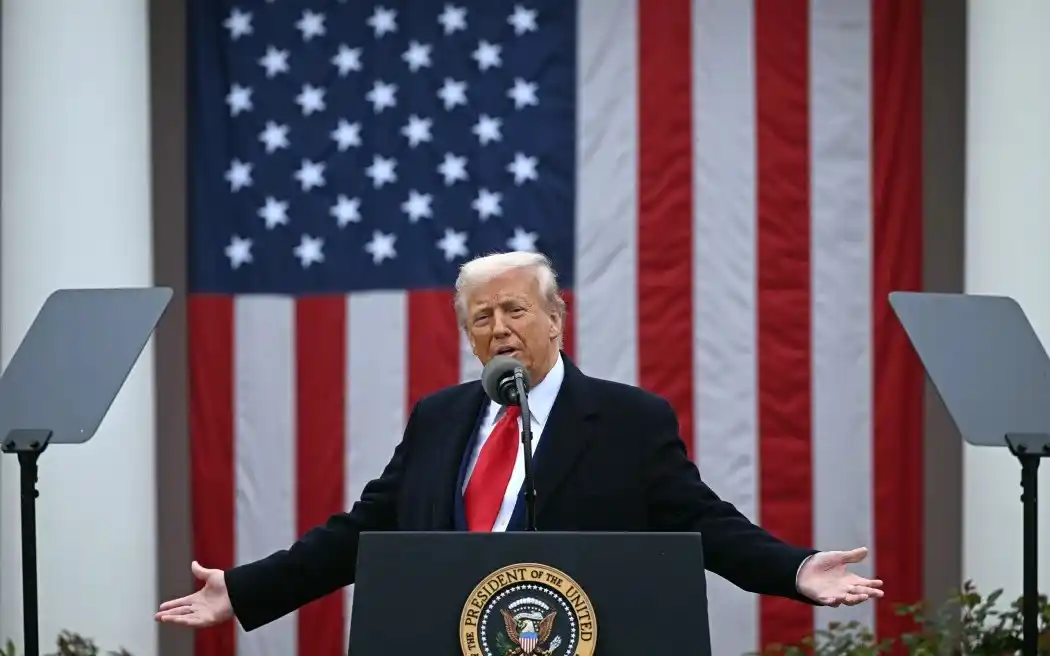
Facing renewed tariff threats and trade uncertainty tied to Donald Trump’s policy stance, US trade partners are strengthening economic ties with one another to reduce dependence on the American market.

Countries Seek Protection From US Trade Pressure
Governments across Europe, Asia, and Latin America are responding to the unpredictability of US trade policy by accelerating bilateral and regional trade agreements. In an era defined by trade tariffs, trade wars, and sudden policy shifts, these regions have realized the importance of diversifying their trade relationships to safeguard against any future threats from the US. This shift is partly motivated by the increasing possibility of tariffs or trade restrictions imposed by the US, a situation which could disrupt the trade flows of the affected nations. In this environment, trade diversification offers not only a defensive strategy but also an opportunity to strengthen economic ties within regions and establish new avenues for growth. Trade ministers from across the world are now prioritizing the formation of pacts that shield their economies from potential damage inflicted by US tariff actions. In the face of rising tariffs, nations like the European Union, China, and Mexico have turned to one another, forging stronger bonds and seeking to reduce their economic dependence on the US. By doing so, they aim to minimize the impacts of any future trade wars and fortify their markets against external pressures. As a result, the US's once dominant position in global trade is increasingly being questioned, and its trading partners are exploring other alternatives to ensure long-term economic stability and prosperity.
New Trade Pacts Gain Momentum
In response to the mounting threat of US tariffs, new trade agreements have been gaining significant momentum across the globe. These agreements aim to reduce tariffs, simplify customs procedures, and enhance supply chain resilience, allowing countries to sidestep potential economic disruption caused by the US’s shifting trade policies. Economists are closely watching these agreements, as they could have long-lasting effects on global trade flows and potentially reshape the dynamics of international commerce. One notable trend in these agreements is a focus on improving cooperation among non-US trade partners. This collaboration is resulting in trade deals that lower barriers to market entry and improve the overall flow of goods and services. By reducing tariffs, businesses are able to access foreign markets more easily, stimulating economic activity and fostering stronger trade ties. Customs rules are being simplified, which reduces the time it takes for goods to cross borders, further strengthening the economic relationships between these countries. Additionally, these new pacts are designed to boost the resilience of global supply chains by diversifying sourcing and manufacturing networks. This helps mitigate the risks of disruptions caused by political uncertainty or tariffs, as companies are no longer as reliant on the US market for raw materials and finished goods. As trade relations between the US and other nations continue to evolve, the impact of these new trade pacts could prove to be a permanent shift in the global trading system, especially if the US continues its unpredictable trade policies.
Businesses Adjust Supply Chains
In light of the changing trade landscape, many companies are reevaluating their supply chains and shifting their sourcing and manufacturing operations to countries that are part of the newly formed trade agreements. These changes are a direct response to the uncertain trade environment shaped by the US’s ongoing tariff threats and protectionist policies. Businesses are realizing that the risk of being overly reliant on the US market or its suppliers may leave them vulnerable to sudden disruptions. To protect themselves, companies are now looking at diversifying their production bases and supply sources to countries that are included in these new trade deals. These adjustments are not only designed to shield businesses from the potential effects of US tariffs, but also to take advantage of the benefits offered by these agreements, such as reduced tariffs, improved customs procedures, and a more stable trading environment. Analysts suggest that this trend could significantly change the global supply chain landscape, with businesses moving away from traditional trade patterns and forming new alliances based on the countries involved in these regional agreements. While these shifts may initially involve some logistical challenges and require significant investments, the long-term benefits of reducing exposure to US market volatility and strengthening regional production networks could outweigh the costs. By adjusting their supply chains in this way, businesses can better insulate themselves from the economic uncertainty created by the US’s changing stance on trade.
Concerns Over Global Fragmentation
While diversifying trade relationships offers short-term protection from US trade pressures, some experts caution that it could lead to long-term global trade fragmentation. The formation of these new trade alliances, while providing immediate stability to nations that feel threatened by US tariffs, could result in a more divided global trading system. As countries form their own blocs and bypass the US market, they may inadvertently create a fragmented world economy with increased barriers to trade between these newly formed groups. This fragmentation could result in inefficiencies, as countries within these smaller blocs may face higher transaction costs, tariffs, and regulations when dealing with countries outside their immediate trading circles. Economists warn that while these new trade agreements may benefit participating countries in the short term, they could also drive up costs and reduce the overall efficiency of global markets. Additionally, the creation of competing trade blocs could result in a fragmented global market, where nations become increasingly isolated and the potential for cooperation between larger economies diminishes. As trade becomes more regionally focused, businesses may find themselves having to navigate a more complex web of trade rules and tariffs, which could hamper their ability to expand into new markets or operate with the same level of efficiency as before. These concerns underscore the risks associated with the trend toward diversifying away from the US market, and highlight the need for careful consideration of the long-term effects of these shifts.
Long-Term Impact Still Unclear
The long-term effects of the shift towards regional trade agreements and the reduction in reliance on the US market remain uncertain. While these new trade deals may offer immediate relief from the pressures of US tariffs, trade officials caution that the global trade system may continue to evolve in unpredictable ways. Some believe that cooperation among US trade partners could persist despite US policy shifts, resulting in a more multipolar trade system where no single country dominates the global market. This could lead to greater cooperation and stability among trade blocs, as nations seek to maintain strong economic relationships in the face of external pressures. However, there is also the possibility that the fragmentation of the global trade system could continue, with countries pursuing their own self-interests and reducing the role of the US in international commerce. The uncertainty surrounding future US trade policies could contribute to a sense of unpredictability, prompting countries to further diversify their trade relationships in anticipation of future disruptions. This evolving landscape suggests that while the immediate effects of new trade agreements may be positive for those involved, the longer-term consequences are still unclear. The global economy could shift towards a more fragmented structure, where countries focus on strengthening regional ties while reducing their dependence on any single market, such as the US. However, the full impact of these changes will only become clear over time as countries navigate the complex web of global trade relations and respond to evolving political and economic conditions.
Leave a Comment
Your email address will not be published. Required fields are marked *