Pharmaceuticals
Eli Lilly’s GLP-1 Momentum Accelerates as Novo Nordisk Faces 2026 Slowdown
Eli Lilly’s rapid growth in the GLP-1 drug market is expected to continue, while rival Novo Nordisk prepares for potential headwinds and a projected slowdown heading into 2026.

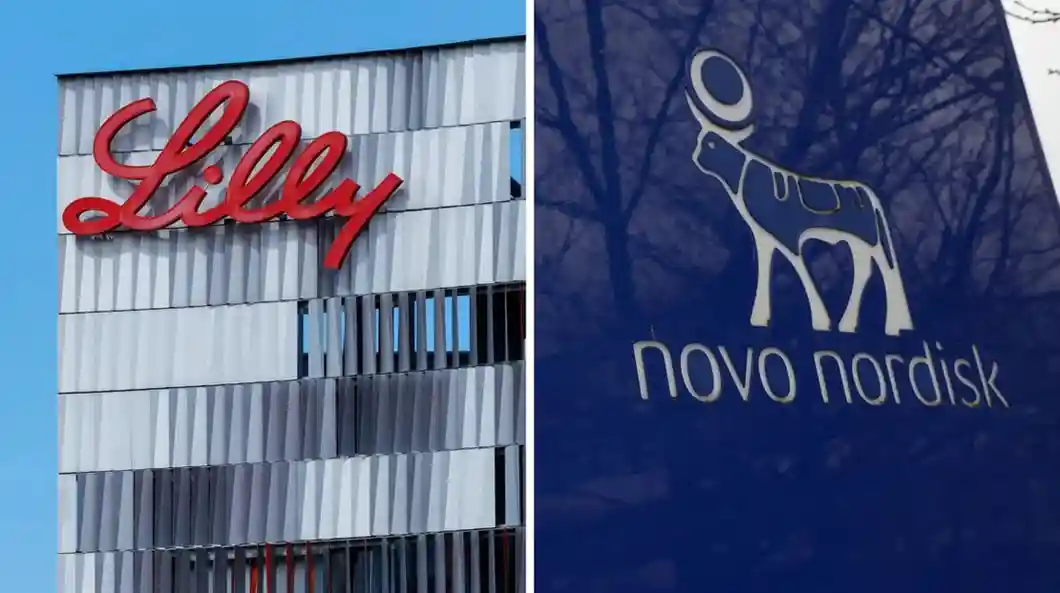
Eli Lilly’s GLP-1 Expansion Gains Strength
Eli Lilly has been demonstrating remarkable momentum in the GLP-1 drug market, which has emerged as one of the most significant growth sectors within the pharmaceutical industry. GLP-1 therapies, initially developed for diabetes management, have expanded into obesity treatment, capturing substantial attention from both healthcare providers and patients globally. The company’s innovative portfolio, combined with effective marketing strategies and strategic partnerships, has enabled it to rapidly scale production and distribution. Analysts note that Eli Lilly’s ability to integrate research and development with real-world clinical applications positions it well for sustained revenue growth over the coming years. Increased adoption in key markets, including North America, Europe, and parts of Asia, is expected to bolster prescription volumes, while ongoing clinical trials may further expand the drug’s indications. Investors are closely watching the company’s growth trajectory, as the expanding GLP-1 market represents not only a lucrative revenue stream but also an opportunity to establish long-term leadership in a highly competitive pharmaceutical segment. With patient outcomes consistently showing favorable responses to Eli Lilly’s treatments, healthcare systems are increasingly recommending its GLP-1 therapies, further strengthening the company’s market position. Supply chain efficiencies and production scalability are additional factors contributing to its competitive advantage. As the market continues to evolve, Eli Lilly is expected to leverage its robust pipeline and strategic initiatives to consolidate its presence and maximize shareholder value, making the company a central player in shaping the future of GLP-1 therapeutics worldwide.
Novo Nordisk Braces for Slower Growth
Novo Nordisk, traditionally a dominant leader in the GLP-1 segment, is preparing for a potential deceleration in growth as it faces multiple market challenges heading into 2026. While the company continues to benefit from strong brand recognition and an established global presence, analysts anticipate that increased competition from rivals, including Eli Lilly, may put pressure on market share and revenue expansion. Pricing dynamics are also emerging as a significant factor, with healthcare payers increasingly scrutinizing the cost-effectiveness of GLP-1 therapies amid rising demand for affordable treatment options. Supply chain constraints and regulatory considerations add further complexity to Novo Nordisk’s growth strategy, particularly in regions where manufacturing and distribution capabilities are stretched. Moreover, the company’s reliance on established products means that diversifying its portfolio and accelerating innovation will be crucial to maintaining competitive momentum. Market analysts project that while Novo Nordisk will continue to see moderate revenue increases, the pace of growth may not match the exceptional rates experienced in recent years. The company is actively investing in research and development to expand indications for its GLP-1 drugs, improve formulation efficiency, and enhance patient adherence through innovative delivery methods. Strategic collaborations and licensing agreements are also being considered to strengthen its pipeline and mitigate potential slowdowns. Despite these challenges, Novo Nordisk retains a strong reputation for clinical excellence and product reliability, which remains a key factor in maintaining long-term trust with healthcare providers and patients. However, the evolving market landscape underscores the need for proactive strategies to navigate competitive pressures and sustain leadership in the global GLP-1 sector.
Competitive Landscape Intensifies
The GLP-1 drug market has rapidly transformed into one of the most intensely competitive segments within the pharmaceutical industry. With Eli Lilly accelerating its presence and Novo Nordisk navigating potential headwinds, the competitive dynamics have shifted significantly, creating both challenges and opportunities for companies operating in this space. The market’s expansion has attracted new entrants and emerging biotech firms, all seeking a share of the growing demand for GLP-1 therapies targeting diabetes and obesity. These entrants are driving innovation through novel formulations, combination therapies, and advanced delivery mechanisms, further intensifying the competitive environment. Established players are compelled to invest heavily in research and development, strategic partnerships, and market expansion to maintain or increase their market share. Additionally, regulatory scrutiny and payer requirements are influencing market strategies, pushing companies to demonstrate both clinical efficacy and cost-effectiveness. Intellectual property considerations, including patents and licensing agreements, also play a critical role in determining market positioning and potential barriers for new entrants. Analysts note that companies with strong global distribution networks, proven clinical outcomes, and flexible production capabilities are best positioned to thrive in this competitive landscape. As the market evolves, strategic acquisitions, partnerships, and expansion into underserved regions may become increasingly important to maintain leadership. Ultimately, the GLP-1 sector presents both lucrative opportunities and significant challenges, requiring companies to balance innovation, efficiency, and patient accessibility to succeed in a rapidly changing industry.
Demand Driven by Obesity and Diabetes Treatment
The increasing global prevalence of obesity and type 2 diabetes continues to fuel sustained demand for effective therapeutic interventions, positioning GLP-1 drugs as a cornerstone in modern treatment strategies. Patients and healthcare providers are seeking treatments that not only manage blood sugar levels but also contribute to weight reduction and overall metabolic health, and GLP-1 therapies have consistently delivered strong clinical outcomes in these areas. Rising awareness among clinicians, coupled with favorable patient adherence rates, has led to a surge in prescription volumes, driving revenue growth for companies like Eli Lilly. Governments and healthcare systems are also recognizing the long-term economic and health benefits of controlling obesity and diabetes, further supporting the adoption of GLP-1 therapies through reimbursement policies and public health initiatives. In addition, ongoing clinical research is expanding the potential use cases for GLP-1 drugs, including cardiovascular risk reduction and broader metabolic applications. As the market matures, pharmaceutical companies are increasingly focusing on patient-centric approaches, providing educational resources, support programs, and digital health tools to maximize treatment outcomes. Analysts project that the sustained demand for GLP-1 therapies will continue to support market expansion, as patients worldwide seek effective solutions for managing chronic metabolic conditions. The combination of clinical efficacy, growing patient awareness, and proactive healthcare policy support underscores the long-term potential for the GLP-1 market, making it a highly attractive area for continued investment and innovation within the pharmaceutical industry.
Outlook for the GLP-1 Market
The overall outlook for the GLP-1 market remains highly positive, with analysts and industry observers forecasting continued growth driven by clinical efficacy, expanding indications, and rising patient demand. The segment has become a key revenue generator for leading pharmaceutical companies, with both established players and new entrants investing heavily to capture market share. Clinical trials and real-world evidence continue to demonstrate the effectiveness of GLP-1 therapies in managing diabetes, promoting weight loss, and improving metabolic health, which has strengthened confidence among healthcare providers and payers. While growth trajectories may differ between companies due to competitive pressures, production capacity, and market strategies, the broader market is expected to maintain strong momentum through 2026 and beyond. Expansion into emerging markets, where obesity and diabetes prevalence is rising, presents additional opportunities for revenue growth and patient impact. Market analysts emphasize that companies with robust pipelines, innovative delivery systems, and effective patient support programs are best positioned to capitalize on these opportunities. Furthermore, evolving reimbursement policies, regulatory approvals for new indications, and increasing awareness among patients and clinicians will likely contribute to sustained adoption of GLP-1 therapies. Overall, the sector’s combination of clinical promise, strong demand, and strategic innovation underscores its position as a major driver of pharmaceutical revenue, making it a focal point for investors and industry stakeholders seeking long-term growth in the healthcare landscape.
Leave a Comment
Your email address will not be published. Required fields are marked *