Public Health & Food Safety
Newborn’s Death Likely Linked to the Mom Drinking Raw Milk While Pregnant
Health officials in New Mexico report that a newborn’s death was likely caused by a Listeria infection linked to the mother’s consumption of raw milk during pregnancy, prompting urgent warnings about the dangers of unpasteurized dairy products.

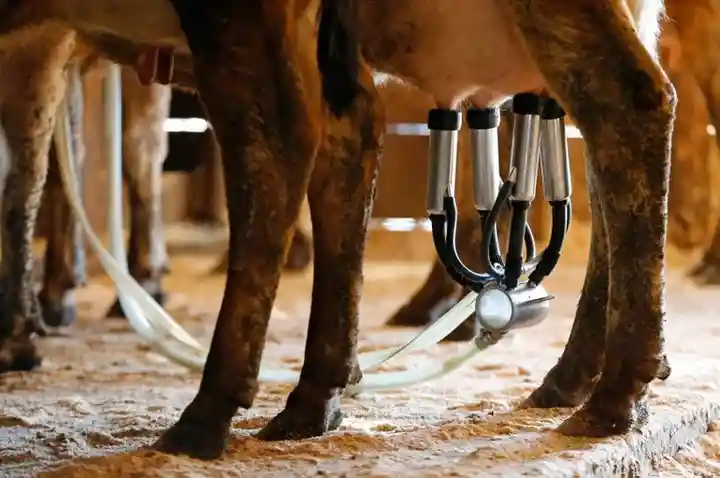
Health Officials Point to Raw Milk as Likely Source
State health authorities in New Mexico have identified the mother’s reported consumption of raw, unpasteurized milk during pregnancy as the most likely source of a recent newborn death caused by Listeria infection. Listeria monocytogenes is a pathogenic bacterium that can lead to severe illness in highly vulnerable populations, including pregnant individuals, newborns, the elderly, and those with compromised immune systems. While investigations have not definitively proven a direct causal link between the raw milk consumed and the infection, the timing of the mother’s exposure and the subsequent infection in the newborn strongly suggests that unpasteurized dairy was the primary vector. Raw milk can contain numerous harmful microorganisms, and in this case, the patterns of illness, clinical findings, and patient history collectively point toward the high likelihood of transmission through contaminated dairy. Health officials emphasize that while many foods can carry Listeria, the association with raw milk is well-documented in epidemiological studies, and vulnerable populations face a significantly higher risk of severe outcomes. New Mexico’s Department of Health is urging caution and reinforcing public health messaging around safe food practices, particularly during pregnancy. The tragic incident has highlighted gaps in public awareness regarding the risks associated with consuming raw dairy products, despite longstanding medical guidance and regulatory measures designed to minimize foodborne illness. Authorities recommend that pregnant individuals and families with infants or young children adhere strictly to guidelines that prioritize pasteurized milk and dairy alternatives, which undergo heating processes sufficient to destroy harmful pathogens while maintaining nutritional value. Public health campaigns are being intensified to inform residents about the inherent risks of raw milk, emphasizing that even occasional consumption can result in severe health consequences. The case serves as a stark reminder that awareness and compliance with food safety recommendations are essential for protecting the most vulnerable groups, and underscores the need for continued education and preventive strategies within communities where raw milk consumption is popular.
Listeria Poses Grave Risks to Pregnant Women and Newborns
Listeria monocytogenes, the bacterium implicated in the fatal newborn infection, represents one of the most significant foodborne threats to pregnant individuals and neonates. Pregnancy alters the immune system to accommodate fetal development, making expectant mothers more susceptible to infections that may otherwise be mild or asymptomatic in healthy adults. Once Listeria enters the bloodstream, it can cross the placental barrier, leading to devastating outcomes, including miscarriage, stillbirth, preterm birth, or severe neonatal illness. In many cases, infected mothers may show minimal or no symptoms, which complicates early detection and intervention. This silent risk underscores why public health authorities have consistently warned against the consumption of raw or unpasteurized dairy products during pregnancy. Scientific research has demonstrated that unpasteurized milk can harbor Listeria along with other pathogens such as Salmonella, E. coli, Campylobacter, and Brucella, all of which pose severe risks to both maternal and fetal health. In clinical practice, Listeria infection during pregnancy requires prompt diagnosis and treatment, often involving antibiotics and careful monitoring of both mother and fetus. The New Mexico case exemplifies how even seemingly routine dietary choices, like consuming raw milk, can have catastrophic consequences when harmful bacteria are present. This tragic outcome reinforces the critical role of preventive public health measures, education, and regulatory standards in mitigating foodborne risks. Healthcare providers continue to emphasize that avoiding raw dairy products is among the most effective strategies for protecting maternal and neonatal health, and that pasteurization remains the gold standard for ensuring dairy safety. This incident also highlights the need for enhanced communication between clinicians and expectant mothers about food safety and the hidden risks associated with certain natural or artisanal foods. As consumer trends increasingly favor raw or minimally processed products, public health messaging must adapt and reinforce the science-based rationale behind longstanding safety recommendations, particularly for pregnant populations and other high-risk groups.
In response to the newborn’s death, New Mexico health authorities have issued a public advisory emphasizing that raw milk and other unpasteurized dairy products can pose serious health hazards. Public health experts explain that pasteurization — the process of heating milk to destroy harmful microorganisms without compromising its nutritional content — is the most reliable method for preventing foodborne illnesses. Beyond Listeria, raw milk may contain E. coli, Salmonella, Campylobacter, and Brucella, all of which have the potential to cause severe illness or death in vulnerable populations. By issuing sharp warnings, authorities aim to inform both pregnant individuals and families with young children about the risks associated with consuming unpasteurized dairy. Regulatory agencies monitor dairy production and provide guidance on safe food handling, but the growing popularity of raw milk in certain communities has challenged conventional messaging and compliance. Public health campaigns are increasingly targeting at-risk groups, emphasizing evidence-based recommendations to reduce exposure to pathogens. These campaigns also highlight the economic and social costs of foodborne outbreaks, including hospitalization, long-term health consequences, and emotional distress for affected families. Authorities stress that while some consumers may perceive raw milk as a healthier or more 'natural' option, scientific evidence overwhelmingly supports pasteurization as a critical public health advancement. Communities are encouraged to prioritize food safety practices and follow guidance from credible sources to prevent future incidents. Health professionals and regulatory bodies continue to collaborate on strategies that combine education, outreach, and monitoring to minimize risks while respecting consumer choices. The tragic case in New Mexico serves as a cautionary tale underscoring the importance of informed decision-making and adherence to proven safety standards.
Public health officials are increasingly concerned about the rising popularity of raw milk, which has been fueled by social media trends, advocacy groups, and public figures promoting it as a natural or healthier alternative to pasteurized dairy. Despite these narratives, scientific evidence consistently demonstrates that raw milk consumption carries significant risks, especially for high-risk populations such as pregnant individuals, infants, and immunocompromised persons. The renewed interest in unpasteurized dairy challenges public health authorities to reinforce educational campaigns and counteract misinformation. Studies have shown that even small amounts of contaminated raw milk can lead to severe illness or death, as pathogens like Listeria, Salmonella, and E. coli can be present without altering taste, smell, or appearance. Health officials stress that consumer perception of safety does not align with the real microbial risks inherent in raw dairy products. Awareness campaigns are being tailored to reach audiences through multiple platforms, highlighting case studies, clinical evidence, and testimonials to demonstrate the real-world consequences of unsafe food practices. Collaborative efforts with healthcare providers, schools, and community organizations aim to ensure that pregnant women and families understand the importance of choosing pasteurized alternatives. Officials also emphasize that preventive education, combined with clear labeling and regulatory oversight, remains critical in reducing foodborne illness and safeguarding public health. The rising trend of raw milk consumption underscores the ongoing challenge of aligning public behavior with scientifically supported safety practices.
The newborn’s death also carries broader implications for food safety messaging and public health communication. While raw milk remains legally available in many states under varying regulatory frameworks, the risks are well-established and should be conveyed effectively to the public. Misinformation surrounding the purported benefits of unpasteurized dairy contributes to risky behaviors, highlighting the need for clear, evidence-based guidance from health authorities. Experts emphasize that high-risk groups, particularly pregnant individuals, infants, and immunocompromised persons, must receive targeted education to prevent severe foodborne illnesses. This incident illustrates the challenge of translating scientific knowledge into actionable behavior change, especially in communities where raw milk consumption is culturally or socially endorsed. Public health messaging must balance respect for individual choices with the need to communicate tangible risks, utilizing multiple channels such as social media, healthcare providers, community workshops, and public advisories. Continuous monitoring of outbreaks, combined with real-world case studies, reinforces the urgency of adhering to safety recommendations. Officials advocate for informed decision-making based on established science rather than anecdotal claims, emphasizing that pasteurization remains a cornerstone of safe dairy consumption. By increasing awareness, supporting preventive practices, and strengthening regulatory oversight, health authorities aim to minimize the incidence of Listeria infections and other foodborne diseases, ultimately protecting the most vulnerable members of the population and preventing future tragedies like the one in New Mexico.
Leave a Comment
Your email address will not be published. Required fields are marked *