Politics
Democrats Demand ‘Dramatic Changes’ for ICE, Including Masks, Cameras and Judicial Warrants
Democratic lawmakers are threatening to block funding for the Department of Homeland Security unless major reforms are enacted for U.S. Immigration and Customs Enforcement, including banning masks, mandating body cameras and requiring judicial warrants for certain enforcement actions.

Funding Fight Over ICE Reform
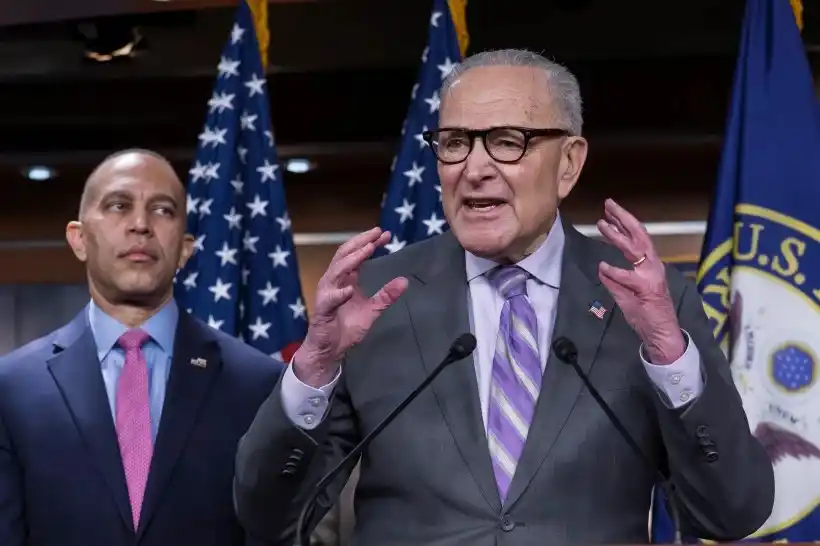
With funding for the Department of Homeland Security set to expire within weeks, Democratic lawmakers have intensified pressure on the Biden administration and congressional negotiators by tying continued funding to sweeping reforms of U.S. Immigration and Customs Enforcement. Senate Majority Leader Chuck Schumer and House Democratic Leader Hakeem Jeffries said their caucus is demanding what they described as “dramatic changes” to ICE operations, citing a growing number of controversial enforcement actions that have drawn criticism from civil rights groups, local officials, and immigrant communities. Democrats argue that existing enforcement practices lack transparency, adequate oversight, and sufficient safeguards for constitutional rights. The funding deadline has raised the stakes, as failure to reach an agreement could result in a partial government shutdown, something both parties publicly say they want to avoid. However, Democrats insist that continued funding without reform would signal acceptance of policies they believe undermine public trust and due process. Negotiators are now balancing the urgency of keeping federal agencies operating with deep ideological divisions over immigration enforcement, making the coming weeks critical for the future of ICE policy and broader homeland security funding.
Body Cameras For Federal Agents
A central pillar of the Democratic reform proposal is a mandate requiring body-worn cameras for federal immigration and border enforcement officers. Supporters of the measure argue that body cameras are a proven accountability tool that can protect both officers and civilians by providing an objective record of encounters. Democrats point to local and state law enforcement agencies where cameras have reduced complaints and improved public confidence. Some Republicans have expressed cautious openness to this proposal, particularly after recent incidents involving the use of force during immigration operations. Homeland Security Secretary Kristi Noem has already ordered body cameras for certain DHS officers in specific regions, framing the move as a step toward transparency. However, disagreements remain over implementation details, including funding, data storage, and rules governing when cameras must be activated and when footage should be released. Civil liberties advocates warn that without strict guidelines, cameras could be misused or selectively turned off, while law enforcement officials stress the need to protect sensitive operations. Despite these concerns, body cameras are viewed as the most likely reform to gain bipartisan support.
Mask Ban and Identification Rules
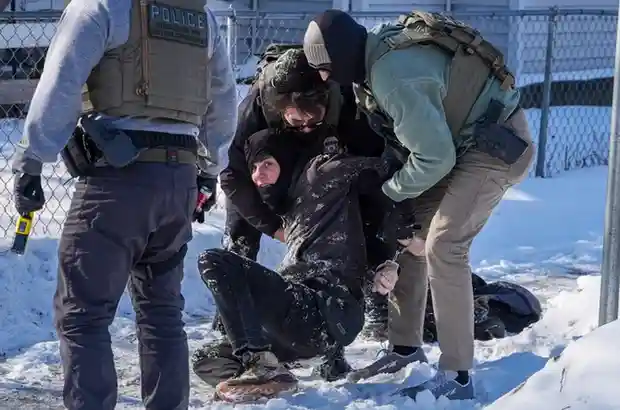
Democrats are also pushing for a ban on federal immigration agents wearing masks or other face coverings during routine enforcement operations. Lawmakers argue that visible identification is essential for accountability, especially during arrests conducted in public spaces or residential neighborhoods. They say masked agents can create fear and confusion, particularly in communities already wary of federal enforcement. Advocates believe that requiring agents to clearly display their identities would reduce the risk of impersonation and abuse of authority. Republicans and some law enforcement groups strongly oppose a blanket ban, arguing that masks are sometimes necessary to protect officers from retaliation, harassment, or doxxing. They warn that removing this option could put agents and their families at risk, particularly in politically charged environments. The debate underscores a broader tension between transparency and officer safety. While some negotiators have floated compromise proposals, such as limiting masks to specific circumstances, the issue remains one of the most contentious elements of the reform package.
Another major demand from Democrats focuses on requiring judicial warrants for certain immigration enforcement actions, particularly when agents seek to enter private homes. Currently, many ICE arrests are carried out using administrative warrants, which are issued internally and do not require approval from a judge. Democrats argue that this practice undermines constitutional protections and leaves individuals vulnerable to unlawful searches or arrests. Legal scholars and civil rights organizations have long criticized administrative warrants, noting that many people are unaware of their limited legal authority. Requiring judicial warrants, Democrats say, would bring immigration enforcement more in line with traditional law enforcement standards and reinforce the role of the courts as a check on executive power. Republicans counter that such a requirement would slow enforcement operations and allow individuals with removal orders to evade arrest. They argue that immigration enforcement operates under a distinct legal framework that already includes oversight mechanisms. The disagreement reflects a fundamental divide over how immigration law should be enforced and what level of judicial involvement is appropriate.
The broader political standoff over ICE reforms has significant implications beyond the immediate funding deadline. Democrats have signaled they are willing to risk political backlash if it means forcing changes they believe are necessary to restore public trust in federal immigration enforcement. Republicans, meanwhile, accuse Democrats of using funding threats to advance policies that could weaken border security and enforcement effectiveness. Some GOP lawmakers are pushing to include their own priorities in the funding bill, such as limits on sanctuary policies and stricter voter identification measures, further complicating negotiations. As talks continue, the outcome could shape not only ICE operations but also the broader national debate on immigration, law enforcement accountability, and executive authority. With public opinion deeply divided, the negotiations are expected to have lasting political and policy consequences, regardless of whether a short-term funding deal is reached.
Leave a Comment
Your email address will not be published. Required fields are marked *