Immigration
Federal Immigration Officials Scout Warehouses as They Eye More Detention Space
Federal immigration authorities are touring and buying large warehouse facilities across the United States with plans to convert them into detention and processing centers, a move that highlights the Trump administration’s push to expand immigration detention capacity amid record arrests and rising resistance from local officials and advocates.

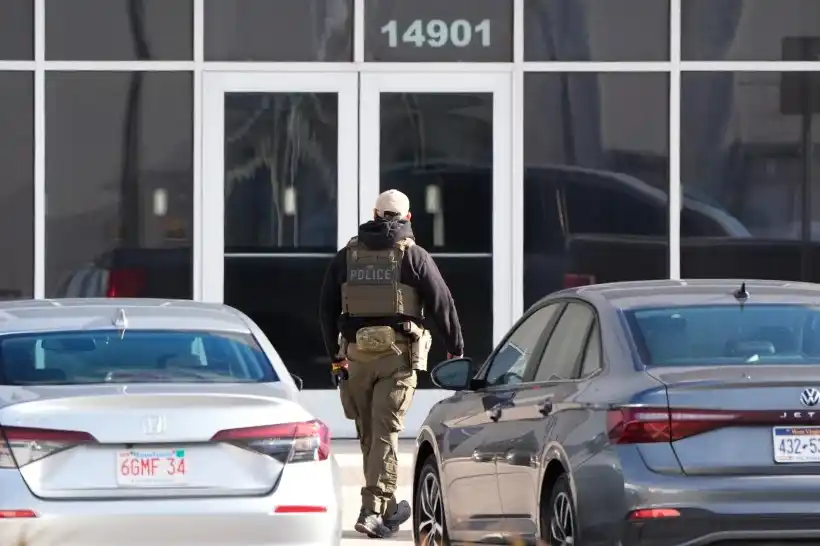
Warehouses Targeted for Detention and Processing Facilities
Federal officials from U.S. Immigration and Customs Enforcement (ICE) have been touring large commercial warehouse properties across several states as part of a sweeping effort to expand immigration detention and processing capacity. These facilities, often located near transportation corridors, are being evaluated for conversion into large-scale detention or intake centers capable of holding thousands of migrants. ICE officials view warehouses as cost-effective, quickly adaptable spaces as arrest numbers climb and existing detention centers reach capacity, signaling a rapid escalation of enforcement infrastructure.
The effort has triggered swift backlash in many communities where the facilities are being considered. In Kansas City, local officials passed a five-year moratorium on new non-city-run detention centers just as federal representatives toured a potential warehouse site. Similar resistance has emerged in Minneapolis and other cities, where warehouse owners have withdrawn from negotiations after protests and public pressure intensified. Community leaders argue that such facilities would strain local resources and permanently alter neighborhood character.
Documents and property records reveal that ICE has already purchased several large warehouse properties, including sites in Arizona, Maryland, and Pennsylvania, some costing tens of millions of dollars. In Berks County, Pennsylvania, the federal government acquired a nearly 520,000-square-foot warehouse intended for use as a detention or processing center. These acquisitions suggest the administration is moving beyond temporary solutions and laying the groundwork for a more permanent expansion of the immigration detention system.
Local officials have voiced frustration over what they describe as a lack of transparency and coordination from federal authorities. In many cases, city councils and county boards learned of the plans only after site visits had already occurred. While municipalities can express opposition, federal projects are often exempt from local zoning laws, limiting the ability of local governments to block construction or conversion. This legal imbalance has fueled tensions between federal agencies and local communities seeking greater oversight.
Civil Rights Concerns and Conditions of Detention
Advocacy groups warn that rapidly converting warehouses into detention facilities risks creating overcrowded and substandard conditions for detainees. Civil liberties organizations argue that industrial buildings are poorly suited for long-term confinement and may lack adequate medical care, ventilation, and access to legal counsel. Critics also contend that expanding detention capacity incentivizes more aggressive enforcement practices, increasing the likelihood of due process violations and prolonged detention without adequate review.
Broader Enforcement Strategy and Political Fallout
The warehouse initiative reflects the Trump administration’s broader immigration strategy, which prioritizes mass arrests, rapid detention, and expanded removal operations nationwide. Supporters argue that additional space is necessary to enforce immigration laws effectively, while opponents see the expansion as evidence of an increasingly punitive system. As federal acquisitions continue and local resistance grows, the debate over detention expansion is poised to become a central flashpoint in the national immigration policy battle.
Leave a Comment
Your email address will not be published. Required fields are marked *