Immigration Enforcement & Federal Policy
Trump’s Border Czar Pulls 700 Immigration Officers Out of Minnesota Immediately
President Donald Trump’s border czar, Tom Homan, announced an immediate withdrawal of about 700 federal immigration enforcement officers from Minnesota, trimming part of a large deployment that has drawn national scrutiny, protests, and legal challenges.

Partial Drawdown Follows Local Cooperation
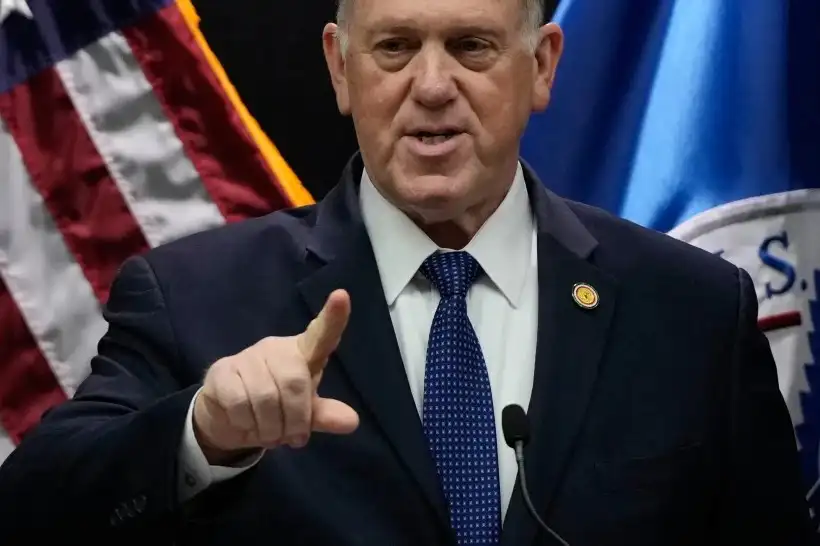
In a press briefing, Border Czar Tom Homan announced that approximately 700 federal immigration enforcement officers would be withdrawn from Minnesota with immediate effect, marking a partial reduction in one of the largest interior enforcement deployments in recent years. Homan said the drawdown followed agreements reached with state and local law enforcement agencies to transfer arrested immigrants to federal custody, a move he described as improving operational efficiency and safety. According to Homan, enhanced cooperation reduced the need for a large federal presence on the ground, allowing agents to be reassigned to other priority regions. Federal officials framed the decision as a tactical adjustment rather than a retreat, emphasizing that enforcement goals remain unchanged. Critics, however, argue that the withdrawal reflects mounting political and public pressure rather than operational success. Local leaders say cooperation was driven by legal obligations rather than endorsement of the broader operation. The partial drawdown illustrates how federal immigration strategy increasingly depends on negotiations with local authorities, balancing enforcement objectives with political realities. While Homan characterized the move as evidence that federal pressure can secure compliance, opponents contend it underscores the disruptive impact of large-scale deployments on communities and governance. The announcement has intensified debate over whether cooperation agreements genuinely enhance public safety or simply shift responsibility amid contentious enforcement tactics.
Operation Metro Surge Still in Place
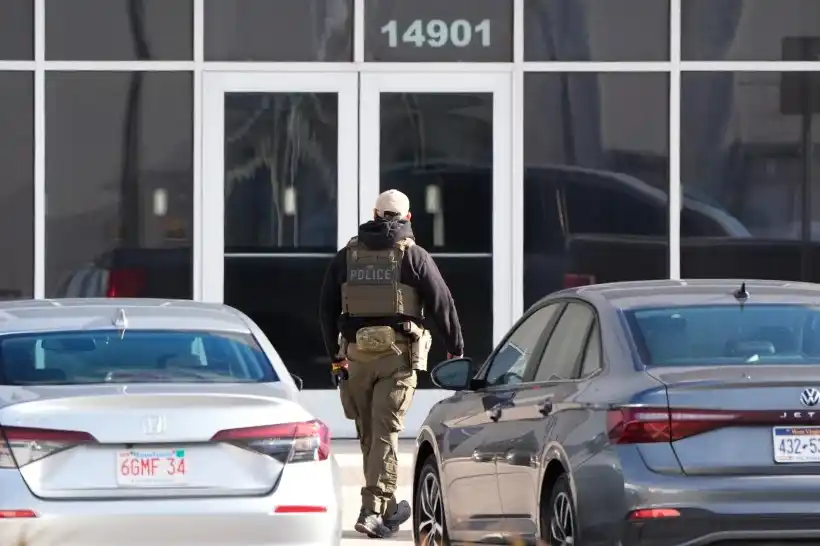
Despite the withdrawal of 700 officers, federal officials stressed that Minnesota remains a focal point of immigration enforcement under the Trump administration’s broader initiative known as “Operation Metro Surge.” Launched in early January, the operation dramatically increased the number of federal immigration agents in the Minneapolis–St. Paul metropolitan area, peaking at roughly 3,000 personnel. Even after the reduction, an estimated 2,000 officers remain deployed statewide, far exceeding historical norms. The operation reflects a strategic emphasis on interior enforcement rather than border-only actions, signaling the administration’s intent to pursue aggressive deportation efforts within major U.S. cities. Supporters argue that such operations deter illegal immigration and reinforce the rule of law, while critics say they strain local resources and sow fear in immigrant communities. Law enforcement experts note that sustaining such elevated staffing levels requires significant logistical coordination and federal funding. Civil liberties advocates warn that prolonged surges increase the risk of constitutional violations and community backlash. The continued presence of thousands of federal agents underscores the administration’s determination to maintain pressure, even as it recalibrates its approach in response to political resistance and legal scrutiny.
Community Tensions and Fatal Confrontations
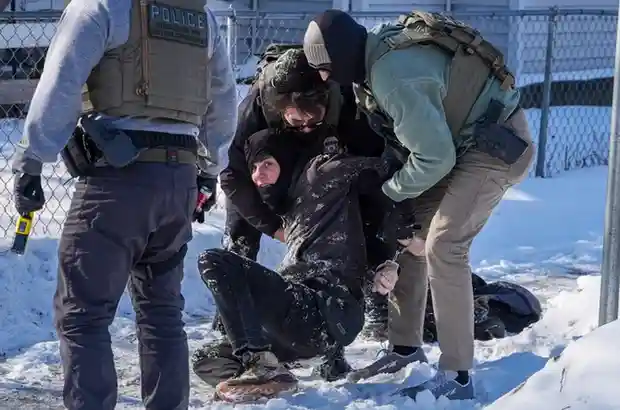
The expanded federal presence in Minnesota has generated intense community tension, with weeks of protests unfolding across Minneapolis, St. Paul, and surrounding areas. Demonstrations intensified following fatal shootings involving federal agents and U.S. citizens during enforcement-related confrontations, incidents that galvanized public outrage and demands for accountability. Community leaders argue that the operation has eroded trust between law enforcement and residents, particularly in immigrant and minority neighborhoods. Advocacy groups say aggressive tactics, including raids and street-level encounters, have created a climate of fear that discourages cooperation with police on non-immigration matters. Federal officials maintain that agents acted within their authority and that enforcement operations inevitably carry risks. However, calls for independent investigations have grown louder, with critics questioning the necessity and proportionality of force used. The fatalities have become focal points in broader debates over militarized immigration enforcement and its impact on civil liberties. As tensions persist, local governments face mounting pressure to protect residents while navigating federal authority, highlighting the fragile balance between enforcement and community safety.
Political and Legal Backlash
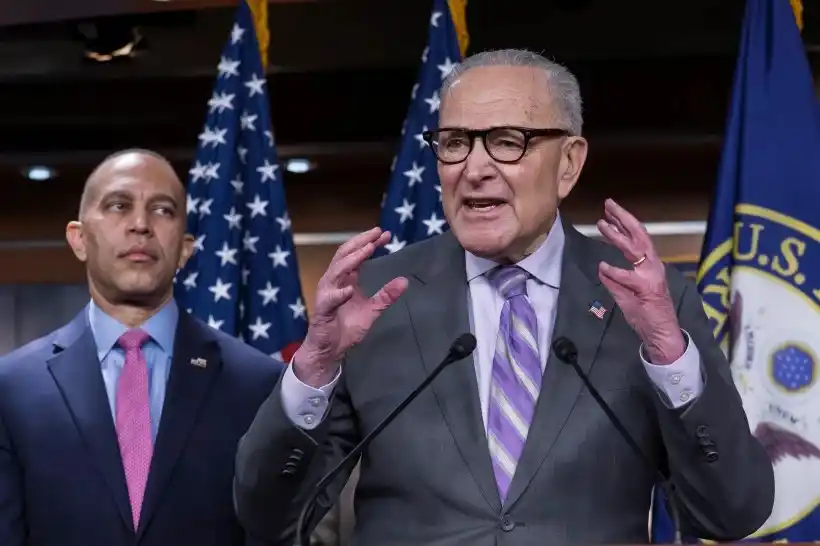
Political opposition to the operation has intensified, with Minnesota Governor Tim Walz and Minneapolis Mayor Jacob Frey criticizing the partial withdrawal as insufficient. Both officials have called for a complete end to the federal deployment, arguing that it undermines local governance and public trust. Legal challenges have also emerged, including lawsuits filed by school districts and teachers’ unions seeking to block immigration enforcement activities near schools. Plaintiffs argue that the presence of federal agents disrupts education and threatens student safety, particularly for children from immigrant families. These lawsuits reflect a broader legal strategy aimed at limiting the scope of federal immigration operations through constitutional and statutory arguments. Federal authorities contend that immigration law preempts local restrictions, setting the stage for prolonged court battles. Legal scholars note that the outcome of these cases could shape the boundaries of federal enforcement authority nationwide. The political and legal backlash illustrates growing resistance to expansive interior enforcement, even as the administration remains committed to its approach.
Federal Strategy and Future Outlook
The withdrawal of 700 officers represents a tactical adjustment rather than a fundamental shift in federal immigration policy, according to Trump administration officials. Tom Homan and other leaders reiterated their commitment to aggressive enforcement, framing Minnesota as one front in a nationwide strategy. Future federal operations will likely hinge on continued cooperation from local law enforcement, judicial outcomes, and the intensity of public resistance. Analysts suggest that sustained protests and legal challenges may force further recalibrations, particularly in politically competitive states. At the same time, the administration faces pressure from supporters to maintain a hardline stance. The Minnesota operation may serve as a test case for how far federal authorities can push interior enforcement before encountering insurmountable political and legal obstacles. As the situation evolves, the balance between enforcement objectives, constitutional constraints, and public opinion will shape the trajectory of immigration policy heading into the next phase of national debate.
Leave a Comment
Your email address will not be published. Required fields are marked *