Public Opinion & Global Priorities
Americans Break With Most of the World in Naming the Nation’s Biggest Problem
A new international survey reveals that Americans define their nation’s most pressing problems very differently from citizens in much of the world, highlighting a widening gap in priorities shaped by domestic politics, economic pressures, and national media narratives.

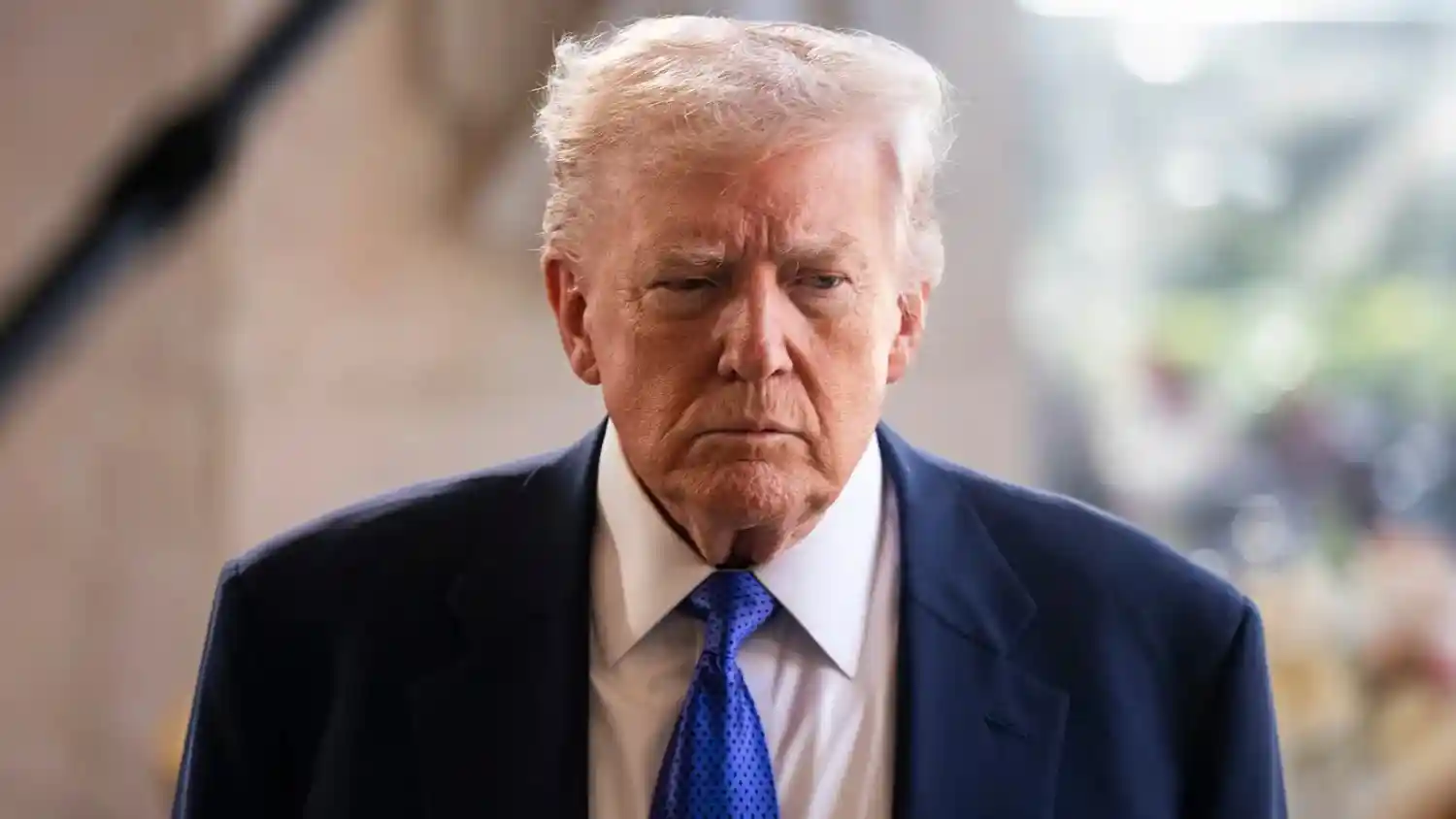
Survey Reveals Unique U.S. Concerns
Recent international polling reveals a striking divergence between American public opinion and that of citizens in most other countries when it comes to identifying the nation’s most serious problems. While respondents across Europe, Asia, and Latin America frequently rank climate change, public health risks, energy security, or geopolitical instability as top concerns, Americans overwhelmingly focus on domestic economic pressures and internal political conflict. Analysts note that inflation, the cost of living, income insecurity, and political polarization dominate U.S. public consciousness, reflecting a political environment shaped by constant electoral cycles and highly fragmented media ecosystems. Economic anxiety plays a central role in this outlook, with many Americans feeling vulnerable to rising prices, housing costs, and healthcare expenses despite broader economic growth indicators. These pressures often feel more immediate and personal than abstract global threats, reinforcing a perception that domestic dysfunction represents the country’s greatest risk. In addition, persistent political polarization has elevated concerns about governance itself, with large segments of the population viewing partisan conflict, institutional mistrust, and democratic erosion as existential threats. Compared with citizens in countries where social safety nets are stronger or political systems are more centralized, Americans are more likely to see internal instability as the defining challenge. This inward focus also reflects cultural attitudes emphasizing individual economic security and skepticism toward government-led solutions. Together, these factors help explain why Americans break with global consensus, prioritizing internal economic and political stress over longer-term or collective global risks.
Impact on Policy and International Relations
The divergence between American public priorities and those of much of the world carries significant implications for policymaking and international relations. When domestic audiences are primarily focused on inflation, economic insecurity, and political division, elected officials face strong incentives to prioritize short-term domestic fixes over long-term global commitments. This dynamic can complicate U.S. engagement on issues such as climate change mitigation, global health preparedness, and multilateral security arrangements, where benefits are diffuse and often realized over decades rather than election cycles. International partners may perceive U.S. leadership as inconsistent or inward-looking when domestic political pressures dominate decision-making. Analysts warn that this mismatch can weaken global cooperation at a time when transnational challenges require coordinated responses. The gap also affects diplomatic credibility, as foreign governments navigate shifting U.S. priorities driven by domestic opinion rather than shared global assessments of risk. Over time, persistent divergence in public attitudes may erode the United States’ ability to shape international agendas or sustain long-term alliances. While domestic responsiveness is a cornerstone of democratic governance, experts caution that excessive inward focus can reduce strategic foresight, leaving the country less prepared for global shocks that ultimately carry domestic consequences. Balancing domestic accountability with global responsibility remains one of the central challenges facing U.S. leadership in an increasingly interconnected world.
Looking Ahead
Experts argue that narrowing the gap between American and global perspectives will require sustained efforts to broaden public understanding of international challenges and their domestic implications. Media literacy, education, and civic engagement play a critical role in shaping how citizens perceive risk and prioritize policy responses. By highlighting the ways global issues such as climate change, pandemics, and geopolitical instability directly affect economic security and daily life, policymakers and institutions may help reframe public debate. Analysts emphasize that shifting public opinion is a gradual process, particularly in a polarized environment, but greater exposure to comparative international data and long-term policy outcomes could foster a more balanced outlook. Ultimately, aligning domestic priorities with global realities does not require abandoning national concerns, but rather integrating them into a broader strategic framework. As global challenges grow more complex and interconnected, the ability of the United States to reconcile internal pressures with international leadership will shape its influence, resilience, and credibility in the years ahead.
Leave a Comment
Your email address will not be published. Required fields are marked *