Global Security & Nuclear Policy
START Is Over. Will a New Nuclear Arms Race Between the US and Russia Take Off?
The New Strategic Arms Reduction Treaty (New START), the last remaining nuclear arms control agreement between the United States and Russia, expired on Feb. 5, 2026, ending decades of verifiable limits on the world’s two largest nuclear arsenals. Experts, diplomats, and global leaders warn the lapse could heighten strategic instability and increase nuclear risks worldwide.

Treaty Expires With No Successor in Place
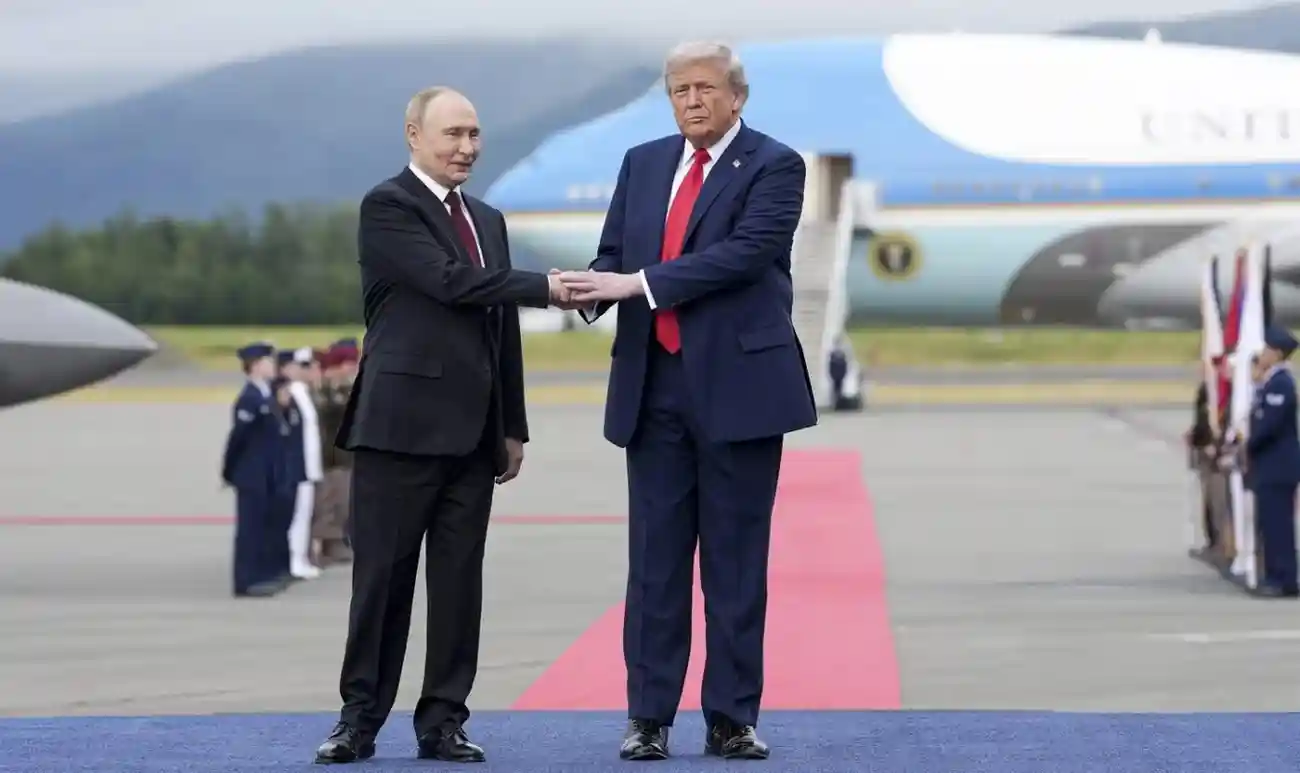
The New START Treaty officially expired on Feb. 5, 2026, marking the end of the last legally binding nuclear arms control agreement between the United States and Russia. Since entering force in 2011, the treaty limited each side to 1,550 deployed strategic nuclear warheads and restricted the number of intercontinental ballistic missiles, submarine-launched ballistic missiles, and heavy bombers. It also established verification mechanisms, including on-site inspections and regular data exchanges, which helped maintain transparency and reduce misunderstandings. With no replacement agreement negotiated, both nations now operate without formal limits for the first time in over half a century. Arms control experts warn that the absence of legally binding constraints removes a critical stabilizing factor in U.S.–Russia relations and increases uncertainty about future force postures, modernization plans, and long-term strategic intentions.
Concerns Over a Renewed Nuclear Arms Race
The expiration of New START has intensified concerns about the possibility of a renewed nuclear arms race between Washington and Moscow. Analysts note that the treaty’s verification regime provided predictability and reduced incentives for worst-case planning. Without these safeguards, both countries may feel pressure to increase deployed warheads or enhance delivery systems to maintain strategic parity. One immediate concern is the potential to 'upload' additional nuclear warheads onto existing missiles, a relatively rapid way to expand arsenals without building new systems. Over time, the lack of constraints could also fuel competition in advanced nuclear technologies, including hypersonic delivery vehicles and next-generation missile defenses. Critics argue that such action-reaction dynamics risk reviving Cold War-style escalation, increasing costs, tensions, and the likelihood of miscalculation in an already strained geopolitical environment.
Diplomatic Reactions and Global Warnings
International reaction to the treaty’s expiration has been marked by alarm and urgent calls for renewed diplomacy. United Nations Secretary-General António Guterres described the moment as a serious setback for global security, emphasizing that for the first time in decades there are no binding limits on the two largest nuclear arsenals. He urged the United States and Russia to resume negotiations toward a new, verifiable framework that could reduce nuclear risks and restore trust. Russian officials expressed regret over the treaty’s end while reiterating commitments to strategic stability and responsible nuclear stewardship. U.S. officials, meanwhile, acknowledged the challenges posed by deteriorating bilateral relations but stressed the importance of arms control as a tool for reducing escalation risks. Many diplomats warn that continued inaction could weaken the broader global nonproliferation regime.
Geopolitical Dynamics and China’s Role
Efforts to revive nuclear arms control are further complicated by the evolving global security landscape, particularly China’s expanding nuclear capabilities. While China’s arsenal remains smaller than those of the United States and Russia, it is growing more rapidly and becoming more sophisticated. U.S. officials argue that any future arms control framework must reflect this multipolar reality and include Beijing. China, however, has rejected trilateral negotiations, stating that its nuclear forces are maintained at a much lower level and emphasizing no-first-use commitments instead. This disagreement has stalled progress on broader agreements and raised questions about how arms control can adapt to a world with multiple nuclear powers. Experts warn that failure to address these shifts could leave future frameworks outdated and ineffective.
Future Scenarios: Arms Race, Stability or New Agreements?
The long-term consequences of New START’s expiration remain uncertain, with experts outlining several possible paths forward. Some believe economic constraints and strategic caution may prevent an immediate arms race, as expanding nuclear forces is costly and politically sensitive. Others warn that modernization pressures, domestic politics, and deteriorating trust could gradually push both sides toward expansion. A third perspective views the treaty’s expiration as a potential turning point, offering an opportunity to rethink arms control for a more complex nuclear era. This approach would seek new agreements that address emerging technologies, additional nuclear actors, and modern verification tools. Whether global leaders seize this moment for renewed cooperation or allow strategic competition to intensify may shape international security for decades to come.
Leave a Comment
Your email address will not be published. Required fields are marked *