U.S. Political Violence
Man Who Tried to Shoot Trump at a Florida Golf Course Gets Life in Prison
A federal judge sentenced Ryan Routh to life in prison without parole, plus an additional seven years, after he was convicted of attempting to assassinate former President Donald Trump at a Florida golf course in 2024. The dramatic case has underscored ongoing concerns about political violence and security for public figures.
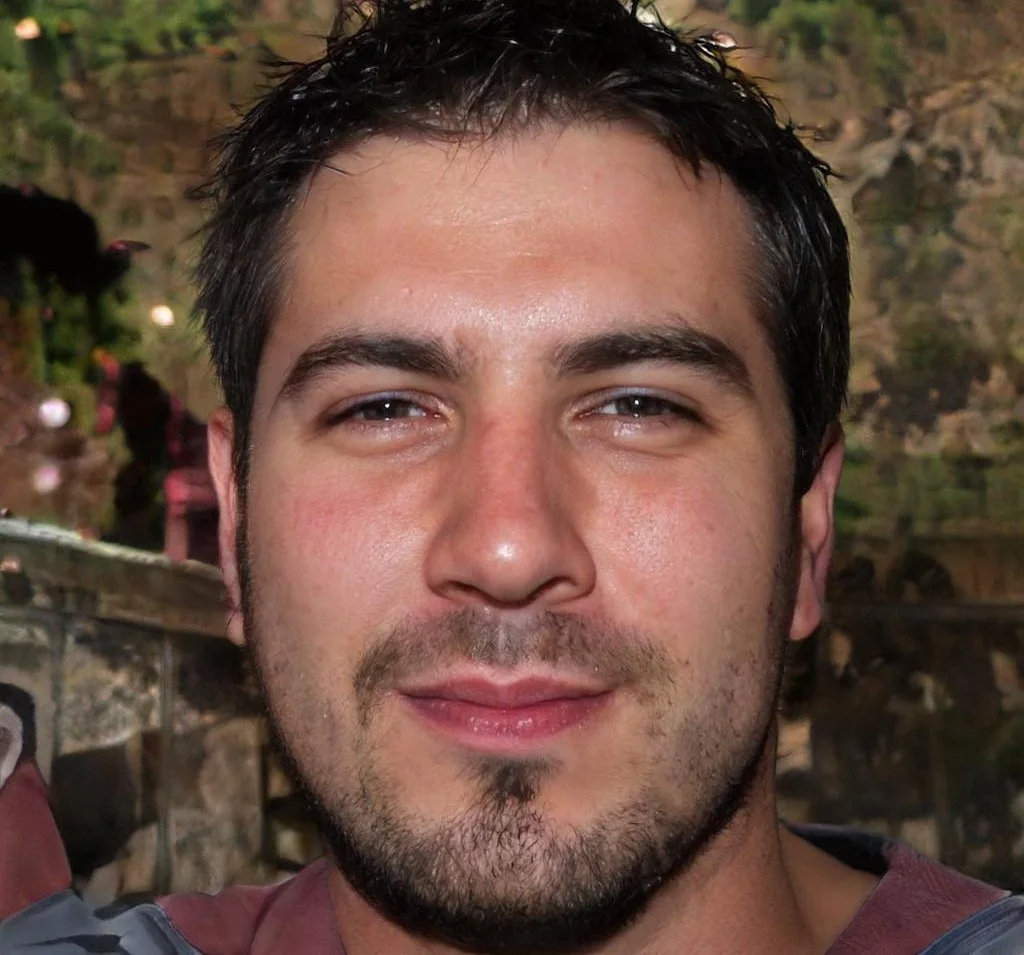

Federal Court Hands Down Maximum Sentence
Ryan Routh’s sentencing marked one of the most severe punishments imposed in a modern political violence case, underscoring the federal judiciary’s firm stance against threats to democratic institutions and political leaders. In a packed courtroom in Fort Pierce, Florida, U.S. District Judge Aileen Cannon sentenced the 59-year-old defendant to life imprisonment without the possibility of parole, citing the extraordinary gravity of his actions and the potential catastrophic consequences had the plot succeeded. The court also imposed an additional consecutive seven-year sentence related to federal firearms violations, ensuring Routh will never be released from custody. Prosecutors argued that the sentence was not only justified but necessary, emphasizing that Routh’s conduct went far beyond impulsive behavior and instead reflected sustained planning, ideological fixation, and a willingness to carry out lethal violence against a former president during a highly sensitive political period. Judge Cannon, in her remarks, noted that the justice system must draw an unmistakable line when individuals attempt to influence democratic processes through terror and assassination attempts, adding that the sentence served both punitive and deterrent purposes. The ruling immediately drew national attention, as it reinforced how the federal government treats political assassination attempts with zero tolerance, regardless of whether a shot is ultimately fired.
Plot, Surveillance, and Arrest at the Golf Course
Court records revealed that Routh meticulously prepared for the attack over several weeks, conducting surveillance and selecting Trump International Golf Club in West Palm Beach as the location due to perceived vulnerabilities during recreational outings. On September 15, 2024, Routh positioned himself in dense shrubbery near the course perimeter, armed with a semi-automatic rifle and additional ammunition, while former President Donald Trump was playing golf. A Secret Service agent conducting a routine sweep noticed suspicious movement and the barrel of a weapon protruding from the bushes, prompting the agent to immediately fire at the suspect. Routh dropped the rifle and fled the scene, triggering a large-scale law enforcement response involving local police, federal agents, and aerial surveillance. He was apprehended several miles away after witnesses reported his vehicle. Although Routh never fired a shot, prosecutors emphasized that the absence of gunfire did not diminish the seriousness of the crime, arguing that the law criminalizes the attempt itself when intent and preparation are clearly established. Jurors ultimately agreed, convicting him on five federal counts, including attempted assassination of a major presidential candidate, obstruction of federal officers, and illegal possession of a firearm.
Defendant’s Conduct and Mental Health Arguments
Throughout the trial and sentencing phase, Routh’s behavior repeatedly drew attention from legal observers and mental health professionals. Prosecutors described him as unrepentant and ideologically rigid, noting that he expressed no remorse for endangering lives or destabilizing the political process. During the trial, Routh chose to represent himself, a decision that complicated proceedings and raised concerns about his psychological state. In a disturbing courtroom moment following his conviction, he attempted to injure himself with a pen, prompting immediate intervention by court officers. Defense attorneys later argued that Routh’s age, mental health history, and personal instability warranted leniency, proposing a sentence shorter than life imprisonment. They contended that untreated psychological conditions impaired his judgment and that he posed a diminished future threat due to his age. Judge Cannon rejected those arguments, stating that mental health challenges do not excuse calculated acts of political violence, especially when evidence shows deliberate planning and awareness of consequences. The ruling reinforced the court’s view that accountability must prevail when actions threaten national security and democratic stability.
Political, Legal, and Public Reactions
The sentencing prompted swift reactions from across the political spectrum, with federal officials, lawmakers, and security experts condemning the assassination attempt as an attack on democracy itself. The U.S. attorney’s office emphasized that the case sent a clear message: violence aimed at political figures will be prosecuted to the fullest extent of the law. Legal analysts noted that while assassination attempts are statistically rare, their symbolic impact is profound, particularly during election cycles when tensions are already elevated. Political leaders warned that inflammatory rhetoric and rising polarization contribute to an environment in which extremist behavior can flourish. Public reaction reflected both relief that the plot was thwarted and concern about the broader implications for political discourse in the United States. Security professionals highlighted the professionalism of the Secret Service response, crediting vigilance and rapid decision-making with preventing a potential tragedy. The case also reignited debates about firearm access, threat monitoring, and preventive law enforcement strategies in politically charged environments.
Beyond the courtroom, the Routh case has intensified scrutiny of how law enforcement agencies assess and neutralize threats against current and former political leaders. Experts point out that modern threat landscapes are increasingly shaped by online radicalization, conspiracy theories, and ideological echo chambers that blur the line between political grievance and violent intent. Federal investigators testified that Routh consumed large amounts of extremist political content, reinforcing beliefs that framed violence as justified action rather than criminal conduct. This pattern mirrors broader trends observed by homeland security agencies, which have warned that lone-actor threats remain one of the most difficult forms of political violence to detect and prevent. The case has prompted renewed calls for enhanced intelligence sharing, expanded behavioral threat assessment programs, and improved coordination between federal and local authorities. Analysts stress that early intervention remains key, as individuals who progress from online fixation to real-world planning often exhibit warning signs long before an attack attempt occurs.
The attempted assassination also raises questions about the evolving role of the Secret Service and protective intelligence in an era where political figures remain in the public eye long after leaving office. Former presidents, candidates, and high-profile officials continue to attract intense attention, both supportive and hostile, making security planning increasingly complex. Trump’s frequent public appearances, including recreational activities such as golf, present unique challenges that require balancing accessibility with safety. Security officials have emphasized that protection protocols must continuously adapt to changing threat dynamics, including drone surveillance risks, perimeter vulnerabilities, and the psychological unpredictability of attackers. The Routh case has already influenced training reviews and procedural adjustments, according to officials familiar with protective operations, reinforcing the necessity of proactive threat detection rather than reactive response.
Ultimately, the life sentence imposed on Ryan Routh stands as a stark reminder of the consequences of political violence in the United States. Legal scholars note that the ruling reinforces long-standing legal principles that treat assassination attempts as among the gravest federal crimes, regardless of outcome. The case will likely be cited in future prosecutions as precedent for imposing maximum penalties when intent and preparation are clearly established. More broadly, it underscores the fragile intersection of politics, security, and public trust in a deeply polarized era. As the nation continues to grapple with heightened political tensions, the case serves as both a warning and a call to reinforce democratic norms, civil discourse, and the rule of law. While the justice system succeeded in preventing tragedy and holding the perpetrator accountable, the underlying conditions that give rise to such threats remain an ongoing challenge for American society.
Leave a Comment
Your email address will not be published. Required fields are marked *