Stanford Scientists Reverse Aging in Mice, Human Trials Planned
Stanford researchers have successfully reversed aging in mice using a combination of gene therapy and cellular reprogramming. The mice regained youthful organ function and extended lifespans by 50%. Human trials are being planned.

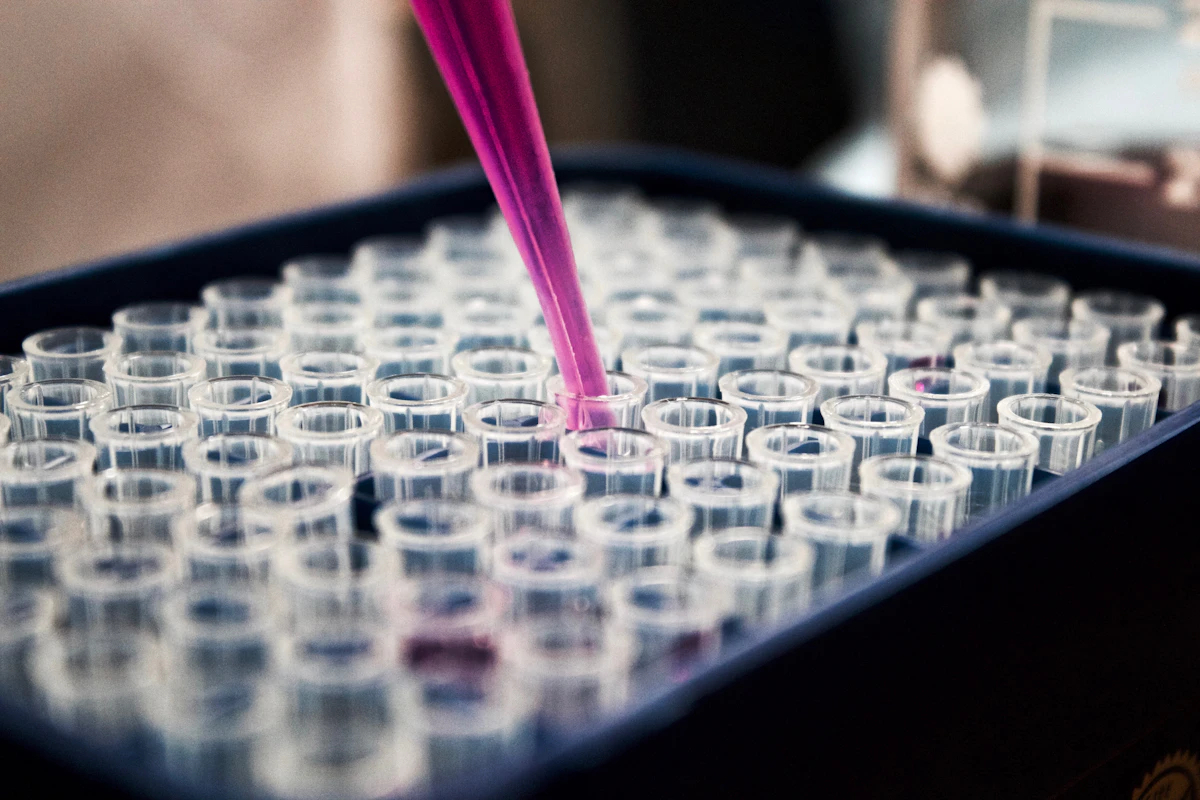
Aging reversal research
Research Results
Mice treated with partial cellular reprogramming showed reversed aging in multiple organs. Heart, liver, and brain function returned to levels seen in young mice. Lifespan increased 50%.
Mechanism
The treatment uses Yamanaka factors to partially reprogram cells without fully reverting them to stem cells. The approach rejuvenates cells while maintaining their specialized functions.
Human Application
Human trials could begin within three years. Researchers emphasize that translating animal results to humans is uncertain, but the potential for treating age-related diseases is enormous.
Stanford scientists have reversed aging in mice, extending lifespans by 50%, and are planning human trials.
Leave a Comment
Your email address will not be published. Required fields are marked *