Environmental Policy & Global Trade
Malaysia Bans E-Waste Imports, Pledges Crackdown on Illegal Dumping
Malaysia has announced a ban on electronic waste imports and vowed tougher enforcement to curb illegal dumping, aiming to protect public health and the environment amid growing global waste challenges.

Government Moves to Stop E-Waste Imports
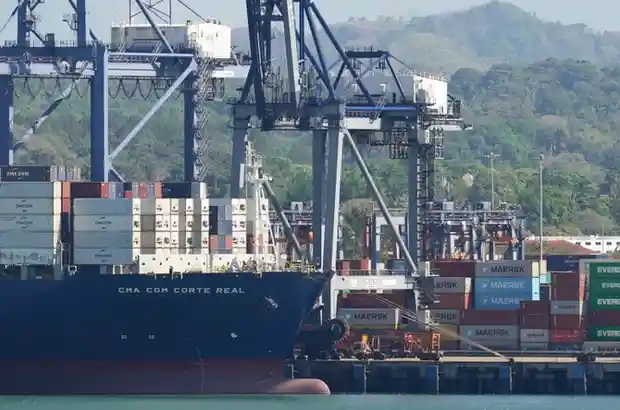
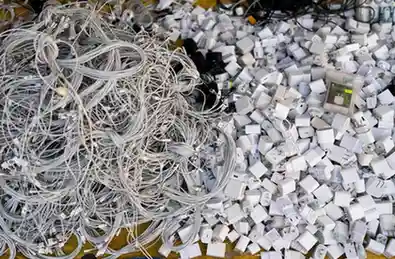
The Malaysian government has formally announced a nationwide ban on the import of electronic waste, marking a decisive shift in the country’s environmental and trade policy. Officials said the decision was driven by mounting evidence that imported e-waste has caused widespread environmental degradation and posed serious risks to public health. The ban covers a broad range of discarded electronic products, including computers, mobile phones, circuit boards, and other electronic components often shipped under misleading labels. Authorities acknowledged that Malaysia had increasingly become a destination for foreign electronic waste over the past decade, particularly after stricter waste import regulations were introduced in other Asian countries. Much of this waste entered the country through legal loopholes or was falsely declared as recyclable materials. Once inside Malaysia, large volumes were processed in poorly regulated facilities or dumped illegally, creating toxic hotspots in several regions. The government stated that the ban is intended to close these loopholes permanently and send a strong signal to exporters that Malaysia will no longer accept responsibility for waste generated elsewhere. Customs officials have been instructed to tighten inspections at ports, enhance documentation checks, and immediately return illegal shipments to their countries of origin. Ministers emphasized that the policy does not target legitimate domestic recycling industries but instead aims to protect them by eliminating unfair competition from illegal operators. By stopping e-waste imports, officials hope to prioritize the safe management of Malaysia’s own electronic waste while strengthening regulatory oversight and environmental protection standards nationwide.
Crackdown on Illegal Dumping Intensifies
Alongside the import ban, Malaysian authorities have pledged a sweeping crackdown on illegal dumping and unlicensed recycling operations linked to electronic waste. Enforcement agencies will conduct coordinated inspections across industrial zones, rural areas, and port cities where illicit processing facilities have previously been identified. Officials said penalties for violations will be significantly increased, including higher fines, license revocations, and potential criminal charges for repeat offenders. Companies found importing or handling electronic waste illegally may face permanent closure, while individuals involved in organized dumping networks could be subject to prosecution. The government also plans to strengthen inter-agency cooperation among environmental regulators, customs officials, local governments, and law enforcement bodies. By sharing data and intelligence, authorities aim to dismantle organized networks that profit from illegal waste trafficking. Public reporting mechanisms will be expanded, allowing residents to report suspected illegal dumping or hazardous waste activities. Officials stressed that community involvement is essential, as many illegal sites operate discreetly in residential or agricultural areas. The intensified crackdown reflects growing recognition that enforcement gaps have allowed illegal dumping to persist despite existing laws. Authorities said the new measures are designed to restore public confidence and demonstrate that environmental crimes will no longer be tolerated.
Environmental and Health Concerns Drive Policy
Environmental and public health concerns were central to Malaysia’s decision to ban electronic waste imports. Electronic waste contains hazardous substances such as lead, mercury, cadmium, and brominated flame retardants, which can contaminate soil, groundwater, and air when improperly handled. In several affected areas, residents have reported foul odors, polluted waterways, and increased health problems believed to be linked to illegal e-waste processing. Informal recycling operations often burn or chemically treat electronic components to extract valuable metals, releasing toxic fumes and residues into the environment. Health officials warned that prolonged exposure to these substances can cause respiratory illnesses, neurological damage, and long-term developmental issues, particularly among children and vulnerable populations. Workers at unregulated recycling sites face heightened risks due to the lack of protective equipment and safety standards. Environmental experts have also raised concerns about the long-term ecological impact of contamination, including damage to agricultural land and fisheries. Cleanup efforts are costly and time-consuming, often placing a financial burden on local governments and taxpayers. By implementing the import ban, authorities aim to prevent further environmental damage and reduce health risks, while reinforcing the principle that environmental protection must take precedence over short-term economic gains.
Malaysia’s Past Role in Global E-Waste Flows
Malaysia has previously faced international scrutiny for its role in global electronic waste flows, particularly following waste import restrictions introduced by China and other countries. As traditional destinations closed their doors, waste exporters increasingly redirected shipments to Southeast Asia, including Malaysia. Environmental groups documented numerous cases in which foreign e-waste was imported under the guise of recyclable materials or second-hand goods. In reality, much of the waste was unusable and ended up in illegal dumps or unregulated recycling facilities. Government officials acknowledged that weak enforcement and regulatory gaps contributed to the problem, allowing illegal operators to exploit the system. In some cases, abandoned waste sites were left for local authorities to manage after operators disappeared. The new ban represents a clear policy reversal and an effort to distance Malaysia from this legacy. Officials said the country will no longer serve as a dumping ground for foreign waste and will instead focus on strengthening domestic waste management systems. This shift has been welcomed by environmental advocates, who see it as a necessary step toward accountability and responsible governance in global waste management.
Global Implications and Future Waste Management Strategy
Malaysia’s decision to ban electronic waste imports carries broader implications for global waste management and international trade. By rejecting foreign e-waste, the country joins a growing number of nations pushing exporters to manage their waste domestically rather than shifting the burden abroad. Officials said the policy aligns with international environmental agreements and reflects a commitment to sustainable development. Exporting countries will be encouraged to invest in cleaner recycling technologies and reduce electronic waste generation at the source. Domestically, Malaysia plans to improve its own e-waste collection and recycling infrastructure, promoting responsible disposal practices among consumers and businesses. Public awareness campaigns will emphasize the importance of proper electronic waste handling and recycling. The government also indicated that it will review and update environmental regulations to keep pace with technological change and rising electronic consumption. By strengthening governance and enforcement, officials hope to prevent future waste crises. As global electronic waste volumes continue to rise, Malaysia’s policy shift underscores a growing recognition that sustainable solutions require shared responsibility, stricter enforcement, and long-term commitment to environmental protection.
Leave a Comment
Your email address will not be published. Required fields are marked *