Philippine Politics
Philippine Lawmakers Find Bid to Impeach Marcos to Be ‘Insufficient in Substance’
Philippine lawmakers dismissed two impeachment complaints against President Ferdinand Marcos Jr., ruling the allegations lacked sufficient substance under constitutional standards, effectively halting impeachment proceedings and reinforcing the president’s grip on Congress amid ongoing political tensions.

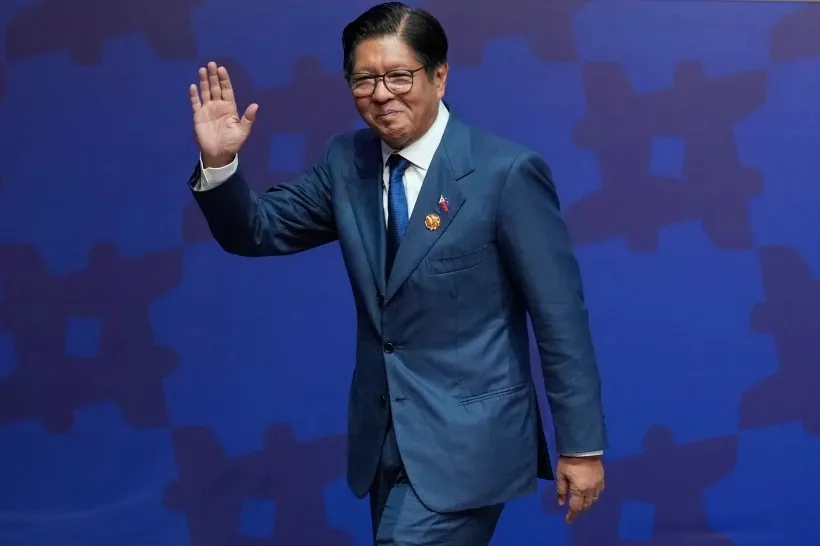
Justice Panel Dismisses Impeachment Complaints
After three days of deliberations, the House Committee on Justice voted by a wide margin to dismiss two impeachment complaints filed against President Ferdinand Marcos Jr., concluding that the allegations failed to meet the constitutional requirement of sufficiency in substance. The decision effectively halted the impeachment process at its earliest stage, preventing the complaints from advancing to a full plenary vote or a potential Senate trial. The complaints, submitted by a private lawyer and a coalition of left-wing activists, accused the president of corruption, constitutional violations, and betrayal of public trust. However, committee members said the filings did not clearly establish actionable facts that directly linked the president to impeachable offenses as defined by the Philippine Constitution. Lawmakers emphasized that impeachment is a constitutional mechanism, not a political tool, and must be grounded in concrete evidence rather than broad accusations. Committee leaders noted that impeachment proceedings require a high evidentiary threshold, particularly at the initial stage, where lawmakers must determine whether complaints contain specific acts, timelines, and legal bases. In this case, members said the complaints relied heavily on general allegations, media reports, and inferred responsibility rather than direct proof of misconduct attributable to the president. The ruling came amid heightened political scrutiny of the Marcos administration, which has faced criticism from opposition groups over governance issues, economic pressures, and lingering questions tied to the Marcos family legacy. Despite this backdrop, committee members maintained that their decision was guided strictly by constitutional standards, not political alignment. By dismissing the complaints at the committee level, lawmakers effectively shielded President Marcos from impeachment proceedings for at least a year, as Philippine law bars the filing of another impeachment complaint against the same official within that period. The outcome represents a significant procedural and political victory for the administration.
Lawmakers Cite Weak Evidence and Legal Gaps
Supporters of the dismissal argued that the impeachment complaints were fundamentally flawed due to weak evidentiary support and legal inconsistencies. Committee members stressed that allegations of graft, misuse of funds, and abuse of authority must be supported by verifiable documentation and clearly articulated legal arguments that connect alleged actions to constitutional violations. Several lawmakers pointed out that many claims presented in the complaints were speculative or derived from secondary sources rather than sworn testimony or official records. Others highlighted that impeachment is not designed to address policy disagreements or public dissatisfaction but is instead reserved for serious offenses that threaten constitutional order. Legal experts consulted by the committee underscored the importance of establishing “ultimate facts” — specific actions taken by the president that would constitute impeachable conduct. Without such clarity, members said, impeachment proceedings risk being reduced to political theater rather than a meaningful accountability mechanism. Opposition lawmakers countered that the high evidentiary bar often disadvantages impeachment efforts, particularly when access to official documents and internal government information is limited. They argued that preliminary proceedings should allow complaints to advance if credible concerns exist, even if full evidence emerges later. Nonetheless, the majority view within the committee held that advancing weak or incomplete complaints could undermine the integrity of the impeachment process itself. Lawmakers warned that allowing insufficient cases to proceed could set a precedent that politicizes impeachment and destabilizes governance. The debate revealed deeper tensions over how impeachment should function within a political system where executive power and congressional alliances often intersect, raising broader questions about accountability and institutional balance.
Political Dynamics and Congressional Control
The outcome of the impeachment review also highlighted the political realities of the Philippine Congress, which is currently dominated by allies of President Marcos Jr. Observers noted that the administration’s strong legislative support made dismissal of the complaints widely anticipated, regardless of the legal arguments presented. Critics contend that such dominance weakens Congress’s role as a check on executive power, particularly in impeachment cases that require lawmakers to act against political allies. They argue that party loyalty and political calculations often outweigh independent constitutional judgment, limiting the effectiveness of impeachment as an accountability tool. Supporters of the ruling rejected those claims, insisting that congressional alignment should not automatically invalidate legislative decisions. They argued that the presence of a majority does not negate the requirement for complainants to meet constitutional standards. The impeachment process in the Philippines has long been shaped by political arithmetic, with past efforts against sitting presidents often succeeding or failing based on congressional support rather than public opinion alone. Analysts say this dynamic reinforces the importance of elections in determining accountability outcomes. The dismissal also triggered debate over whether reforms are needed to insulate impeachment proceedings from partisan influence. Some legal scholars have proposed independent review bodies or clearer evidentiary standards to strengthen credibility. For now, President Marcos benefits from legislative backing that provides political stability but also places greater responsibility on his administration to demonstrate transparency and effective governance in the absence of impeachment pressure.
President Marcos’ Response and Support
Following the justice committee’s decision, the presidential palace welcomed the dismissal, describing it as a validation of due process and the rule of law. Government officials said lawmakers had carefully reviewed the complaints and concluded that they lacked merit under constitutional standards. President Marcos has consistently denied all allegations raised against him, framing the impeachment efforts as politically motivated attempts to undermine his administration. He has emphasized his focus on economic recovery, infrastructure development, and foreign policy engagement, urging political actors to prioritize governance over confrontation. Administration allies echoed this sentiment, arguing that repeated impeachment attempts create unnecessary political noise that distracts from pressing national challenges. They warned that weaponizing impeachment could erode investor confidence and public trust in democratic institutions. Public reaction to the dismissal was mixed. Supporters of the president viewed the outcome as confirmation that the complaints were baseless, while critics expressed frustration over what they see as limited avenues for holding powerful officials accountable. Civil society groups called for greater transparency and institutional reforms, stressing that dismissal of impeachment complaints should not discourage scrutiny of government actions. They urged oversight bodies, courts, and the media to continue monitoring governance issues. The administration’s ability to maintain public support amid political controversy will likely shape how future challenges are addressed, particularly as economic and social pressures persist.
Broader Implications and Ongoing Political Tensions
While the impeachment complaints against President Marcos have been dismissed, political tensions in the Philippines remain high. Allegations of corruption, elite rivalry, and power consolidation continue to dominate public discourse, reflecting deeper structural challenges within the country’s political system. The ruling also draws attention to parallel impeachment efforts targeting Vice President Sara Duterte, which center on alleged misuse of confidential funds. These cases underscore how impeachment has become a recurring feature of Philippine politics, often reflecting broader power struggles rather than isolated legal disputes. As the country approaches future elections, analysts expect political maneuvering to intensify, with impeachment debates serving as both legal instruments and symbolic battlegrounds. The use of impeachment as a political strategy risks diminishing its credibility, potentially weakening public confidence in constitutional safeguards. At the same time, the dismissal reinforces the importance of legislative accountability and electoral outcomes in shaping governance. With impeachment avenues temporarily closed, opposition groups may turn to other mechanisms, including judicial challenges and public mobilization, to press for reforms. The episode highlights the ongoing tension between political stability and democratic accountability in the Philippines. Whether institutions can balance these competing demands will play a crucial role in shaping the country’s democratic trajectory. For now, President Marcos emerges politically strengthened, but the broader questions raised by the impeachment effort — about power, accountability, and constitutional governance — remain unresolved.
Leave a Comment
Your email address will not be published. Required fields are marked *