Global Sports & Culture
Terrell Owens Says Hall of Fame Process Is ‘Broken’ After Belichick, Kraft Snubs
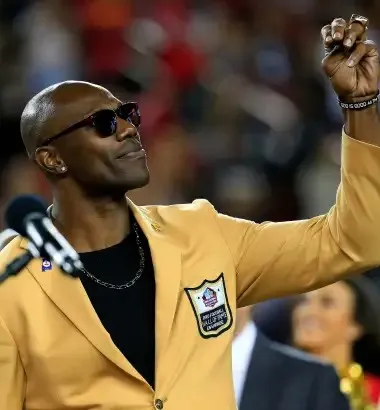
NFL Hall of Famer Terrell Owens sharply criticized the Pro Football Hall of Fame selection system, calling it broken and biased after legendary coach Bill Belichick and New England Patriots owner Robert Kraft were excluded, reigniting debate over transparency, fairness, and credibility in football’s highest honor.

Owens Condemns Hall of Fame Voting Structure
Terrell Owens reignited controversy surrounding the Pro Football Hall of Fame by openly calling the selection process broken, arguing that it fails to fairly recognize the most influential figures in the sport. Speaking candidly, Owens said the exclusion of Bill Belichick and Robert Kraft exposed long-standing flaws in how candidates are evaluated and voted on. According to Owens, the Hall of Fame should represent excellence, dominance, and historical impact, yet too often decisions appear shaped by subjective opinions rather than objective accomplishments. Owens argued that the current system allows personal narratives and political considerations to overshadow measurable success. He emphasized that Belichick’s record as one of the most successful coaches in NFL history and Kraft’s role in building one of the league’s most dominant dynasties should make their Hall of Fame induction unquestionable. Instead, Owens said, the voting process seems inconsistent, leaving fans and former players confused about what standards truly matter. The former wide receiver noted that Hall of Fame recognition carries significance beyond ceremony, shaping how history remembers players, coaches, and owners. By allowing ambiguity and bias into the process, Owens warned, the institution risks diminishing its own credibility. He stressed that football greatness should not be re-litigated years later through shifting moral or personal lenses, but rather preserved through clear acknowledgment of impact and achievement. Owens’ remarks resonated with many who believe the Hall of Fame has drifted away from its original purpose. While he acknowledged that no system can be entirely free of debate, he insisted that transparency and accountability are essential for maintaining trust. Without reform, Owens cautioned, the Hall of Fame risks alienating the very community it was created to honor.
The exclusion of Bill Belichick and Robert Kraft triggered widespread reaction across the football world, with fans, analysts, and former players questioning how two figures so deeply associated with sustained success could be overlooked. Belichick’s coaching legacy includes decades of dominance, innovative defensive and offensive schemes, and a reputation as one of the greatest strategists the game has ever seen. Kraft, meanwhile, transformed the New England Patriots into a global brand through long-term investment, organizational stability, and championship success. Critics of the selection outcome argued that the Hall of Fame appears to struggle when evaluating contributors who operate outside the traditional player spotlight. Owners and executives, they noted, often face more subjective scrutiny despite their foundational role in shaping franchises. The debate intensified as observers pointed out that the Hall has previously inducted figures with far less sustained influence, raising questions about consistency. The controversy also revived broader concerns about secrecy within the voting process. Unlike other major sports halls of fame, the NFL’s system offers limited public insight into deliberations or voting criteria. This opacity fuels speculation that personal relationships, media narratives, and ideological differences influence outcomes more than merit. As discussions spread across sports media and social platforms, the snubs became symbolic of a deeper institutional issue. Many argued that without clearer guidelines, future selections will continue to spark controversy, undermining confidence in the Hall’s authority as the ultimate guardian of football history.
Owens Reflects on His Own Hall of Fame Journey
Owens drew heavily from his own experience when criticizing the Hall of Fame process, recalling the frustration of waiting years for induction despite statistically dominant career achievements. Widely regarded as one of the most productive wide receivers in NFL history, Owens was not inducted on his first ballot, a delay many attributed to his outspoken personality rather than his performance on the field. He said that experience fundamentally shaped his view of the Hall’s shortcomings. According to Owens, the process often rewards conformity and narrative comfort rather than excellence and competitive fire. He argued that football has always been a sport defined by intensity, ego, and individuality, yet the Hall seems to penalize those traits when evaluating candidates. Owens emphasized that personal bias remains one of the most damaging elements of the system. Voters, he suggested, sometimes conflate professional disagreements or media portrayals with a player’s or coach’s contribution to the game. This blending of personality judgment with legacy evaluation, Owens said, distorts history. By sharing his own story, Owens aimed to highlight that the issue extends beyond any single candidate. Instead, he framed it as a systemic problem that affects how future generations will understand the sport’s evolution. Without reform, he warned, deserving contributors may continue to wait—or be denied entirely—based on factors unrelated to football.
Growing Frustration Among Players and Coaches
Owens’ comments tapped into a broader undercurrent of frustration among former players, coaches, and executives who believe the Hall of Fame no longer applies consistent standards. Many within the football community privately express concerns that reputational politics now play an outsized role in selections. Several former players have echoed Owens’ sentiment that accomplishments on the field should outweigh off-field controversies or interpersonal conflicts. Coaches, too, have raised concerns that innovation and long-term influence are undervalued when weighed against subjective interpretations of character or style. This dissatisfaction reflects a generational divide, with newer audiences questioning why transparency lags behind other major sports institutions. As football continues to globalize, the Hall of Fame’s credibility carries increasing international significance. Observers note that sustained controversy risks overshadowing the achievements of those who are inducted, shifting focus from celebration to debate. Owens argued that restoring faith in the system requires structural change, not temporary damage control.
Calls for Reform and Structural Change
The renewed debate has intensified calls for reforming the Pro Football Hall of Fame selection process. Suggestions range from publishing clearer voting criteria to expanding the voting body and introducing term limits for selectors. Advocates argue that greater transparency would reduce suspicion and align expectations. Others have proposed separating evaluation committees for players, coaches, and contributors to ensure that each category is judged by relevant expertise. Owens has publicly supported the idea of accountability measures that require voters to justify decisions. While Hall officials have historically resisted major procedural changes, pressure continues to mount as controversies accumulate. Critics argue that institutions must evolve to remain relevant, especially in an era of increased public scrutiny. Reform advocates stress that protecting the Hall’s integrity ultimately protects the sport itself. Without meaningful change, they warn, skepticism will continue to erode respect for one of football’s most revered honors.
The Hall of Fame’s Role in Shaping Legacy
Beyond individual inductions, the Hall of Fame plays a central role in shaping how football history is remembered. Inclusion or exclusion can influence media narratives, academic analysis, and fan perception for decades. Owens emphasized that the Hall is not merely symbolic but educational, serving as a historical archive that defines greatness for future generations. Inconsistent standards, he argued, risk distorting that record. As the NFL grows more complex, evaluating contributions becomes more challenging. Yet Owens maintained that complexity should not excuse ambiguity. Clear principles, he said, are essential to honoring excellence honestly. The controversy surrounding Belichick and Kraft underscores the power the Hall wields—and the responsibility that comes with it.
The backlash following Owens’ remarks illustrates how deeply invested fans and stakeholders are in preserving the integrity of football’s legacy. Social media reactions revealed widespread agreement that reform is overdue, with many questioning whether the Hall still reflects the values of the modern game. Public discourse has increasingly framed the Hall as an institution at a crossroads. Continued resistance to transparency may protect tradition, but it also risks alienating newer audiences. Owens’ willingness to challenge the system publicly has positioned him as a prominent voice in a growing movement demanding accountability. Whether officials respond remains uncertain. What is clear is that the conversation is no longer confined to private circles—it has entered the mainstream of football culture.
As the debate continues, the Hall of Fame faces a defining moment. The decisions it makes in response to criticism will shape its reputation for years to come. For Owens, the issue transcends individual recognition. It is about fairness, honesty, and preserving the truth of football history. Whether reform arrives quickly or slowly, the pressure is unlikely to fade. The legacy of the game—and those who built it—depends on how the institution evolves. In that sense, Owens’ critique may mark not just controversy, but the beginning of long-overdue change.
Leave a Comment
Your email address will not be published. Required fields are marked *