Media Mergers and Antitrust
12 States Push Back Hard Against Paramount's Big Warner Bros. Takeover Bid
A coalition of 12 states has filed a lawsuit to block Paramount's $81 billion takeover of Warner Bros. Discovery, citing major antitrust concerns and potential harm to competition, consumers, and the entertainment industry.

12 States Push Back Hard Against Paramount's Big Warner Bros. Takeover Bid
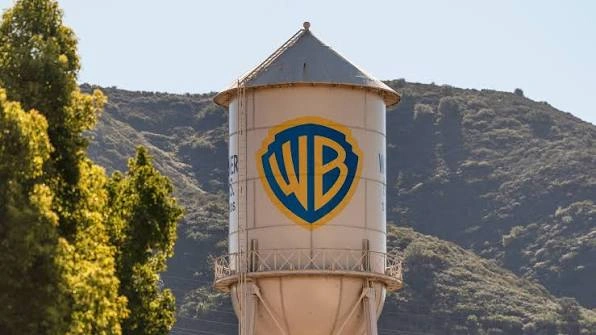
Hollywood is buzzing after a dozen states decided to throw a major roadblock in front of Paramount's ambitious plan to swallow up Warner Bros. Discovery. On Monday, attorneys general from 12 states, spearheaded by California's Rob Bonta, filed suit to stop what they're calling a deal that could crush competition across the entertainment world. The $81 billion merger — closer to $111 billion once you factor in debt — has everyone from filmmakers to regular viewers wondering what it means for the future of movies, TV, and streaming.
Bonta's Strong Warning
Bonta didn't hold back during his Los Angeles press conference. "Audiences on every sofa and in every movie theater seat would feel the impact of this unlawful merger," he said. According to the states, putting these two old-school studios under one roof would lead straight to higher prices, fewer shows and films hitting the market, and content that just doesn't feel as fresh or high-quality as it should.
What the Merger Would Actually Create
Think about what this tie-up really means. You'd have Paramount's CBS and Paramount+ streaming service joining forces with Warner's HBO Max, their huge libraries packed with stuff like Harry Potter, DC superheroes, and even CNN. The states say this isn't healthy growth — it's the kind of move that hands too much control to one giant company and squeezes out real choice for everyone else.
Impact on Theaters and Cable
The lawsuit also flags serious trouble ahead for movie theaters and the folks who run basic cable packages. Distributors could get hit hard on pricing and terms, and that pain usually trickles down to regular families paying the bills. The attorneys general are urging Paramount and Warner to pump the brakes and keep the deal on ice until the courts finish sorting things out. If the companies won't play ball, the states are ready to ask a judge for a temporary restraining order to stop everything in its tracks.
How Paramount Sees It
Paramount pushed back fast, calling the lawsuit a stretch that twists long-standing antitrust rules. They insist the merger would actually build a tougher rival against the real heavyweights — those massive tech and streaming platforms that have been shaking up the business for years. In their view, this combination helps protect jobs and keeps the industry competitive instead of letting a handful of Silicon Valley players dominate everything.
Why the Timing Matters So Much
This legal drama lands at a make-or-break moment for the deal. Shareholders signed off back in April after a messy public bidding fight that pulled in Netflix too. The Trump administration gave it the green light just last month. Both sides had been hoping to wrap things up sometime this summer, maybe even in the next few weeks. Now? That timeline looks shaky at best.
Financial and Global Pressures
Money is on the line in more ways than one. Paramount promised shareholders a 25-cent-per-share "ticking fee" for every quarter the deal drags past September 30. There's also a hefty $7 billion breakup fee if regulations kill it completely. On the global side, they've already cleared hurdles in China, Canada, and Australia, but Europe and the UK are still looking things over and could throw their own curveballs.
Voices From the Industry and Critics
A lot of people in Hollywood aren't fans of this plan. Actors, directors, writers — you name it — have lined up to say they oppose it strongly. The Writers Guild of America joined the chorus, pointing out risks like job losses, lower pay, less creative variety, and those inevitable price hikes for consumers. New York Attorney General Letitia James called it out as creating "a massive company with unprecedented power and influence over news and entertainment across the globe." She added that it could put jobs and small businesses at risk nationwide.
The Political Angle Everyone's Talking About
You can't talk about this deal without touching on the politics. All 12 states in the lawsuit — California, Arizona, Colorado, Connecticut, Massachusetts, Minnesota, Nevada, New Jersey, New Mexico, New York, Oregon, and Washington — have Democratic attorneys general. No Republicans jumped on board.
Questions Around Influence and CNN
Several of them took shots at the Justice Department under Trump, suggesting the review might have been too soft because of connections to the billionaire Ellison family tied to Skydance and Paramount. Arizona's Kris Mayes put it plainly: something fishy might have gone on with that relationship. And then there's CNN, which has been in the spotlight for years. Some folks in the administration have made it pretty clear they'd like to see changes there under new ownership.
What This Means Going Forward
At the end of the day, this fight boils down to big questions about how much consolidation is too much in today's media world. The industry has changed fast with streaming taking over, theaters struggling, and tech money pouring in. Some say mergers like this are the only way legacy players survive. Others fear it kills creativity and competition in the long run.
Leave a Comment
Your email address will not be published. Required fields are marked *