Monetary Policy and Economic Leadership
ECB Warns Trump Policies Could Trigger Global Crisis
European Central Bank warns Trump policies, rising debt and geopolitical tensions could trigger a global financial crisis.

ECB Warns of Market Complacency Amid Geopolitical Tensions
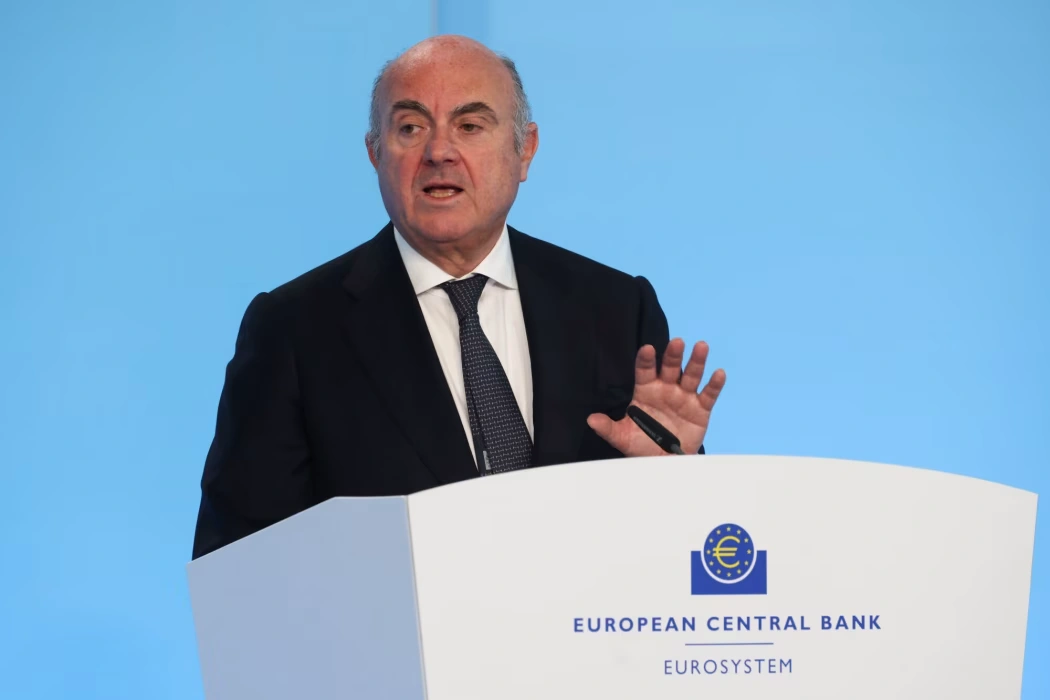
The European Central Bank warned that President Donald Trump’s policies could contribute to a major global financial crisis as geopolitical tensions, rising debt levels and market complacency continue increasing risks across the international financial system. In its latest Financial Stability Review, the ECB said investors may be underestimating the seriousness of current economic and geopolitical threats. The warning came amid growing concerns over the economic consequences of the Iran conflict, escalating trade tensions and expanding government deficits in major economies. ECB Vice President Luis de Guindos stated that markets appeared "remarkably calm" despite significant uncertainty surrounding energy supplies, inflation and sovereign debt sustainability. According to the ECB report, financial markets have so far responded in an "orderly" manner to the Middle East crisis and wider geopolitical instability. However, officials warned that current asset prices and narrow government bond spreads may reflect dangerous complacency rather than genuine resilience. The central bank suggested that investors are not fully pricing in the possibility of further escalation involving Iran or prolonged disruptions to global energy markets. The ECB specifically linked concerns to Trump’s aggressive trade policies, tariff disputes and military escalation involving Iran. Officials warned that rising geopolitical fragmentation and retreat from multilateral economic cooperation could amplify systemic financial vulnerabilities globally. The report also emphasized that many governments already face strained public finances because of increased defense spending, green energy investments and subsidies tied to higher energy prices. Additional shocks linked to war or trade disputes could therefore place even greater stress on government borrowing markets. ECB officials warned that multiple interconnected risks — including sovereign debt concerns, energy disruptions, leveraged hedge funds and fragile investor confidence — could converge simultaneously and potentially destabilize global financial markets.
Iran Conflict, Energy Risks Compound Economic Concerns
One of the largest concerns for the ECB was the economic fallout from the ongoing Iran conflict and instability around the Strait of Hormuz. The report warned that prolonged disruptions to energy supplies could sharply raise inflation, weaken economic growth and place additional pressure on government budgets across Europe and beyond. The Iran war has already caused major volatility in oil markets and shipping routes. Officials warned that if fighting intensifies or Hormuz disruptions continue, governments may face lower tax revenues alongside rising spending needs tied to energy support programs and defense expenditures. Luis de Guindos described the Middle East conflict as a major stress test for the international financial system because it comes during a period of already elevated global debt and fragile economic conditions. The ECB suggested that energy shocks linked to the conflict could rapidly spill into broader financial instability if investors suddenly lose confidence in government bond markets. The report also highlighted concerns about reduced recycling of oil revenues into European bond markets. ECB officials warned that disruptions involving Gulf oil exports and sovereign wealth investments could weaken demand for eurozone government debt at a time when borrowing needs are already increasing. European policymakers additionally expressed concern that inflation pressures tied to higher energy prices may force central banks to maintain elevated interest rates for longer than markets currently expect. Higher borrowing costs could increase risks for heavily indebted governments, corporations and households simultaneously. The ECB emphasized that financial markets currently appear overly optimistic about the ability of governments and central banks to absorb further geopolitical shocks. Officials warned that sudden changes in investor sentiment could trigger rapid selloffs in bonds, equities and other financial assets if the geopolitical situation worsens.
Rising Debt and Market Complacency Raise Alarm
A central theme of the ECB report involved concerns that investors are underestimating fiscal risks tied to rising global debt levels. Officials warned that many governments entered the current geopolitical crisis with already stretched public finances after years of pandemic spending, industrial subsidies and defense expansion. The ECB specifically highlighted risks connected to expanding U.S. government debt under Trump’s administration. Officials warned that worsening American fiscal conditions could trigger broader shifts in global capital markets and reduce international demand for European sovereign bonds. The report also cited rising Japanese bond yields and changing global investment patterns as additional threats to eurozone financial stability. ECB officials warned that global investors may become more selective about sovereign debt holdings as governments around the world continue borrowing heavily. Another major concern involved the growing role of leveraged hedge funds and opaque non-bank financial institutions inside European bond markets. The ECB warned that these investors tend to react quickly to market stress and may amplify volatility during financial shocks. Officials said the increasing presence of hedge funds creates additional systemic risk because of their interconnected relationships with traditional banks and financial institutions. The central bank additionally warned about "stretched" equity valuations and signs of excessive optimism in financial markets despite mounting geopolitical uncertainty. ECB officials suggested that investors may have become too dependent on expectations of government intervention and central bank support during crises. Analysts noted that the ECB’s warnings echoed broader fears among economists that a combination of geopolitical conflict, debt accumulation and speculative asset pricing could eventually trigger a sharp global market correction.
Trump Administration Faces International Criticism
The ECB’s warning represented one of the strongest international criticisms yet directed at Trump’s economic and foreign policy agenda. European officials expressed concern that Trump’s aggressive tariffs, confrontational trade policies and military escalation involving Iran are contributing to growing instability across global markets. The Daily Beast reported that ECB officials specifically criticized the administration’s movement away from multilateralism and cooperative international economic policy. European policymakers argued that rising protectionism and geopolitical fragmentation increase the likelihood of financial stress spreading rapidly across interconnected global markets. Trump’s administration has defended its policies by arguing that tariffs, deregulation and military pressure are necessary to protect American economic and national security interests. The White House recently issued executive orders focused on what it described as restoring integrity and stability to the U.S. financial system. Nevertheless, economists and policymakers in Europe increasingly worry that the combination of aggressive fiscal expansion, trade disputes and geopolitical escalation may create dangerous long-term vulnerabilities. The ECB warned that continued uncertainty surrounding tariffs, energy markets and geopolitical conflicts could undermine confidence in both government debt and broader financial systems. The warning also comes during growing debate over the independence of major financial institutions and central banks under Trump’s presidency. Some analysts expressed concern that political pressure on regulators and the Federal Reserve could complicate future crisis responses if markets become unstable. Despite the ECB’s concerns, financial markets remained relatively stable following publication of the report. However, officials stressed that apparent calm should not be mistaken for safety. The ECB concluded that investors may be significantly underestimating the scale of interconnected geopolitical, fiscal and financial risks currently facing the global economy.
Leave a Comment
Your email address will not be published. Required fields are marked *