U.S. Housing Market
Sun Belt Housing Markets Face Overbuilding Correction
Sun Belt housing markets including Austin and Phoenix are seeing falling prices and softer rents as overbuilding boosts inventory.

The Markets That Won the Last Cycle Are Losing This One
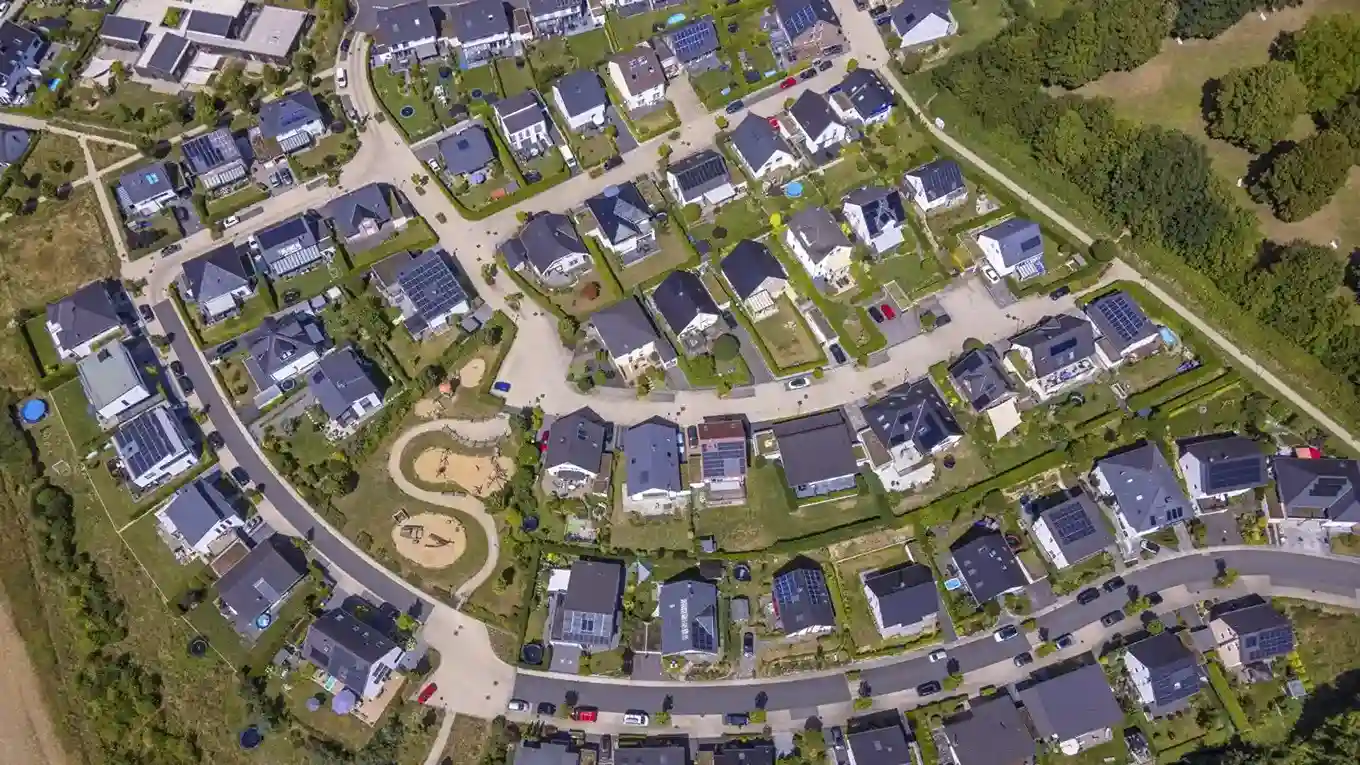
For the better part of four years, the Sun Belt was the story of American real estate. Austin, Phoenix, Tampa, Dallas, and Atlanta drew migration from higher-cost regions at a pace the data had rarely recorded. Prices appreciated at double-digit annual rates, rental markets ran hot, and the conventional wisdom locked in: move south or southwest, buy anything you can afford, and watch the equity build. That narrative is being rewritten in real time in May 2026, and the mechanism responsible for the reversal is not what most observers expected. Demand has not vanished. People are still moving to these cities. Jobs exist. Population growth continues. The problem is on the other side of the equation — supply — and it is the variable that the dominant housing market narrative spent years underweighting. During the pandemic migration wave, builders in Sun Belt metros responded to surging demand by breaking ground at an aggressive pace. That construction pipeline, large and sustained, has now delivered. Units are coming online into a market where the most mobile segment of the buyer pool has already arrived, where mortgage rates are limiting purchase activity, and where affordability has eroded faster than incomes. The result is a supply overhang that is directly pulling prices and rents lower in the cities that built the most. Austin is the clearest example. According to Zillow's home value data, the average property in Austin now sits at approximately $494,727, down roughly 3.6% year over year. For a market that spent the pandemic era as the poster child of runaway appreciation — recording a 100% price increase between late 2019 and mid-2022 according to American Enterprise Institute Housing Center data — that correction represents a meaningful unwinding of boom-era valuations. Homes are sitting on the market for roughly three months on average, compared to days during the frenzy years. Price reductions are routine. Inspection contingencies, which buyers were routinely waiving in 2021 and 2022, are a standard feature of offers again.
The Supply Story That Market Coverage Kept Missing
Housing market analysis tends to anchor on demand. Migration numbers, job creation figures, population growth rates — these are the metrics that dominate coverage because they are the inputs that feel most compelling and are easiest to narrate. Real estate economists who focus on the supply side have been arguing for two years that this demand-heavy framing was leaving out the variable that actually determines whether demand translates into price growth or price correction. That argument is now being validated in the data. Inventory-to-sales ratios in major Sun Belt metros have expanded dramatically. Forty-three of the 53 largest metro areas in the country are currently carrying more than seven months of supply — a level that qualifies as a buyer's market by conventional real estate definitions. Miami is sitting near a full year of available inventory at current sales paces. Austin, Tampa, and Houston are approaching eight months each. Phoenix sees roughly 31% of all listings including price reductions. Tampa records nearly 30%. Those numbers reflect the consequence of construction that, in the words of J.P. Morgan's head of Securitized Products Research John Sim, has moved past balance into overbuilding. Sim's team published analysis earlier this year projecting national home prices to stall at 0% growth for 2026, with the most pronounced softness concentrated along the West Coast and in Sun Belt markets. The note was direct: overbuilding is a sure path to price declines, and builders in many Sun Belt metros have been navigating precisely that dynamic. Multifamily rental markets are carrying the same supply weight. Tampa, Austin, and Houston all posted negative year-over-year multifamily rent growth as of January 2026. The construction pipeline delivering apartment units into these markets has outrun the pace of household formation and job-related migration — the same structural mismatch playing out in the for-sale sector, but one that renters are experiencing directly through softening rents and improved lease terms.
Austin, Dallas, and the Texas Reality Check
Texas housing offers perhaps the most instructive case study of how the same migration story can produce very different outcomes depending on where a city sits on the supply-demand curve. The Texas Real Estate Research Center at Texas A&M University projects total single-family home sales in the state rising approximately 2.5% in 2026, with a year-end median price near $334,000 — a gain of roughly 1.3% from 2025 levels. Those are modest numbers by any measure, but the state-level figure blends dramatically different city-level stories. Austin is correcting. Dallas is posting the sharpest year-over-year price decline among the state's major metros. San Antonio is absorbing the same pressure from oversupply and rising insurance costs that Redfin flagged in its 2026 cooling market predictions. Houston is the relative bright spot — a function of permissive land supply, historically lower price valuations, and economic diversification that prevented the vertical appreciation Austin absorbed and now must work off. Redfin specifically named Austin as one of the markets most likely to continue cooling in 2026, citing insurance costs, natural disaster risk, and the partial reversal of the pandemic-era remote work pattern that made long-distance moves to Texas possible without the trade-off of a difficult commute. That dynamic — buyers who moved to Austin for remote work now returning to employer offices in other cities — has added a selling wave on top of the supply overhang from new construction. For buyers currently in the market, the Texas picture is the most buyer-favorable it has been since before 2020. Entry points exist at price levels that were inaccessible during the pandemic surge, sellers are offering concessions, and the negotiating leverage that evaporated in 2021 has fully returned in most of these markets. For sellers, particularly those who purchased at or near the 2022 peak, the math of a sale at today's prices is a very different calculation.
The Rust Belt Reversal: The Cities Nobody Talked About Are Outperforming
While Sun Belt metros dominate the correction narrative, one of the more underreported dimensions of the current housing market is the performance of Rust Belt and Midwest cities that spent the pandemic era as also-rans. Pittsburgh, Cleveland, Detroit, Buffalo, and Cincinnati are posting year-over-year price increases of 8% to 15%, a range that would have seemed implausible against the backdrop of Sun Belt appreciation during 2021 and 2022. The drivers are straightforward. These markets never experienced the demand spike that pushed Sun Belt valuations to levels that ultimately required a correction. Construction remained measured because the migration wave largely bypassed them. Supply stayed tight relative to whatever demand existed, which meant prices appreciated modestly without creating the inventory overhang now weighing on Austin and Phoenix. In 2026, the relative affordability of these markets — with median home prices below $300,000 in cities like Detroit and Cleveland — is drawing a different kind of buyer attention. First-time buyers priced out of coastal and Sun Belt markets, remote workers who no longer need proximity to a specific employer headquarters, and investors seeking yield without the correction risk embedded in overbuilt Sun Belt inventory are all increasingly looking at mid-tier Midwest cities as actionable opportunities. NAR data underscores the regional divergence. The Midwest recorded the strongest month-over-month sales gain in April 2026 among the four major U.S. regions, posting a 2.2% increase. Columbus, Indianapolis, and Kansas City were specifically cited as pockets of genuine housing activity in a month when the national headline number landed at a near-complete miss versus economist expectations. The same inventory constraint that held these markets back during the boom years is now acting as a floor under values as broader national conditions soften.
What Investors and Buyers Should Understand About the Shift
The structural argument about Sun Belt overbuilding carries an important caveat: this is not a uniform collapse, and it does not make Sun Belt markets categorically bad bets. Some metros within the broader region that exercised more construction discipline — Nashville, Raleigh, and parts of the Carolinas — are still appreciating and carry lower inventory risk than Austin or Phoenix. The correction is concentrated in the markets that built the most aggressively during the boom years. For investors, the picture that is emerging in 2026 is one that rewards supply-side analysis over demand-side storytelling. A market with robust job growth and net migration can still produce falling prices if enough units were built in anticipation of that demand. The performance gap between Houston — which stayed relatively affordable and never peaked as sharply — and Austin is the clearest illustration of how two Texas markets with similar demand stories ended up in very different places because of what happened on the supply side. Yardi Matrix forecasts approximately 468,000 multifamily unit completions in 2026, down from roughly 550,000 in 2025. Supply is expected to continue declining through 2028, with the pipeline running roughly 31% lighter than the 2025 peak. That thinning pipeline will eventually provide relief for markets currently absorbing excess inventory — but the timeline is measured in years, not months. Sun Belt rental markets like Austin and Tampa that are now posting negative rent growth may see conditions stabilize as new deliveries slow, but the correction will need to work through the current overhang before that stabilization becomes visible in the data. For buyers with a long-term horizon, the current Sun Belt environment offers entry points that were structurally unavailable during the boom. Sellers are flexible. Concessions are common. The buyer leverage that peaked at its highest measured level in December 2025 — when Redfin data showed an estimated 46.5% more sellers than buyers nationally — has moderated slightly as of April 2026, but remains deeply in buyers' favor in the most affected markets.
The Sun Belt's housing correction is not a crisis, but it is a reckoning. Markets that spent four years absorbing migration, capital, and construction momentum are now absorbing the consequences of all three arriving simultaneously and at a scale that exceeded what the demand side could sustain. The national housing market in May 2026 is more fragmented than any single headline can capture. Prices are falling in Austin and rising in Cleveland. Inventory is excessive in Tampa and scarce in suburban New Jersey. New construction is slowing in markets that overbuild and stagnant in markets that never built enough. The buyers navigating this environment need city-level and even neighborhood-level analysis — the national average has become one of the least useful numbers in real estate. What the data consistently shows is that supply — the variable most often underweighted in housing coverage — is doing more of the work in 2026 than almost anyone anticipated two years ago. The markets positioned best heading into the second half of the year are the ones where that supply-demand balance never broke as dramatically as it did across the Sun Belt. They did not generate the boom-era headlines. They are generating the 2026 performance.
Leave a Comment
Your email address will not be published. Required fields are marked *