Consumer Finance
Fed Survey Finds Rising Job Concerns Among Americans
A new Fed survey finds rising job concerns among Americans even as most households remain financially stable.

Most Americans Say They Are Doing Okay — But the Cracks Are Showing
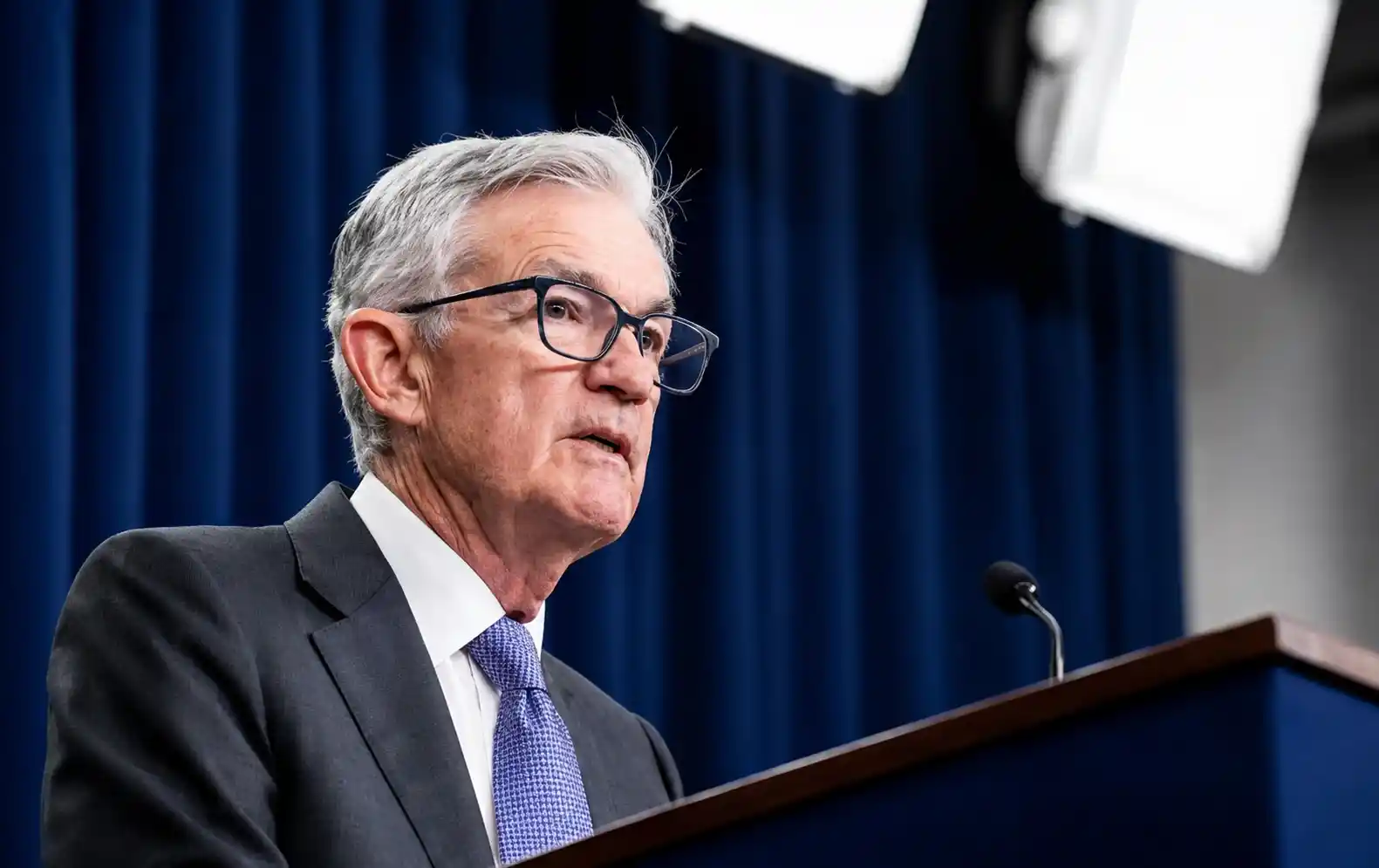
The Federal Reserve released its annual Economic Well-Being of U.S. Households report on Wednesday, drawing on a survey of 13,099 adults conducted last October. The headline finding sounds reassuring: 73% of American adults said they were either doing okay financially or living comfortably — a number that held perfectly flat from 2024. But look past that stable headline and a more complicated story starts to emerge. Job security concerns are climbing. Inflation is still dominating kitchen table conversations. And specific groups of Americans — younger adults, low-income households, and Black adults — are reporting meaningful declines in how they feel about their financial lives. The same survey that says most Americans are fine also quietly documents the ways in which a growing number of them are not.
Job Worries Are Up — And the Numbers Are Clear
One of the sharper findings in this year's report is the shift in how Americans feel about the labor market. Forty-two percent of adults said that finding or keeping a job was either a minor or major concern in 2025 — up from 37% in 2024. That five-point jump in just one year is not a rounding error. It reflects something real that is happening beneath the surface of an economy that, by most official measures, still looks healthy. Layoffs ticked up slightly, with 7% of adults reporting they had been laid off, compared to 6% the prior year. Voluntary quits — a classic measure of worker confidence — declined. Fewer people changed jobs in 2025 than in the previous year. Among workers under age 30, 15% said they were not working specifically because they could not find a job, a number that rose compared to 2024. Taken together, these signals describe a labor market that is still functioning but losing some of the dynamism that defined the post-pandemic hiring surge.
Inflation: Still the Top Concern, Even If the Panic Has Eased Slightly
Price increases remain the financial concern that Americans talk about more than anything else. More than nine in ten adults — a staggering share — said that rising prices were either a minor or major concern in 2025. That number has not budged from the prior year. What did shift slightly is the intensity of the worry: the share of adults calling it a major concern dropped 3 percentage points, from 56% down to 53%. That is a modest improvement, but it does not tell a story of an inflation problem that has been solved. It tells a story of a population that has adjusted to living with higher prices while still finding them a persistent source of financial stress. For context, this survey was fielded in October 2025 — before the spike in oil prices that has followed the escalation of conflict around the Strait of Hormuz, before the January 2026 CPI report showed the economy's worst inflation reading in three years, and before the broader uncertainty that has characterized early 2026.
The Gap Between Personal Finance and National Outlook Is Widening
One of the most revealing tensions in the survey is the disconnect between how Americans feel about their own money and how they feel about the country's economy overall. While 73% said their personal finances were in reasonable shape, only 26% rated the national economy as good or excellent — a drop of 3 percentage points from 2024 and a stunning 24-point decline from where that number stood in 2019, before the pandemic. Americans, in other words, can simultaneously feel that their own household is managing and believe that the broader economy is on shaky ground. That split perception is not unusual — it shows up consistently in economic surveys — but the size of the gap this time around is notable. It reflects a deep uncertainty about where things are heading, even among people who feel personally stable today. For policymakers, that gap is worth paying attention to, because confidence matters. Pessimism about the national economy can become self-fulfilling if it leads people to pull back on spending and investment.
AI in the Workplace: A New Question Gets a Nuanced Answer
For the first time, the Federal Reserve's annual survey asked Americans about their use of generative artificial intelligence on the job — and the findings are striking. One in four workers said they had used AI tools at work in the prior month, and 81% of those users agreed that the technology saves them time. More tellingly, workers who use AI are significantly more likely to believe it will improve their career prospects than to fear it will take their jobs. That optimism, however, is not evenly distributed. Workers without a college degree are far less likely to be using AI at work — and those who are not using it see far fewer benefits from it. Workers with a graduate degree are more than four times as likely to be using AI in their jobs compared to those with a high school diploma or less. That gap raises real questions about whether the AI productivity boom will deepen existing inequalities rather than lift all workers equally. The survey's findings land at a moment when the conversation about automation and job displacement is intensifying across corporate America — and the answers coming back from ordinary workers are more nuanced than either the optimists or the pessimists tend to acknowledge.
Emergency Savings Hold Steady — But Vulnerable Groups Are Falling Behind
On the savings front, the picture is one of stability rather than progress. Sixty-three percent of adults said they would cover an unexpected $400 emergency expense using cash or its equivalent — a number unchanged from 2024. That means more than one in three Americans still could not handle a moderate financial shock without turning to credit, family, or other stopgap measures. The Fed's survey also found that nearly half of adults under age 30 — 49% — are now living with a parent, up 6 percentage points since 2022 and 12 points since 2019. That is not just a housing story. It is an economic story about a generation that is struggling to build independent financial footing in a high-cost, high-rate environment. Meanwhile, financial fraud remains a serious problem: 20% of adults said they experienced fraud or scams in 2025, with non-credit-card fraud totaling an estimated $100 billion, of which $56 billion was borne directly by consumers. The overall portrait that emerges from this year's report is of an American economy that is holding together on the surface — but where the load is not being shared equally, and where the safety net for millions of households remains thinner than official headlines suggest.
Leave a Comment
Your email address will not be published. Required fields are marked *