Global Markets & Energy Crisis
Oil Prices Surge as Iran Tensions Raise Fears Over Global Energy Supplies
Brent crude nears $100 as renewed U.S.-Iran tensions fuel fears of supply disruptions through the Strait of Hormuz, pressuring stocks and raising inflation concerns.

Oil Prices Surge as Iran Tensions Raise Fears Over Global Energy Supplies
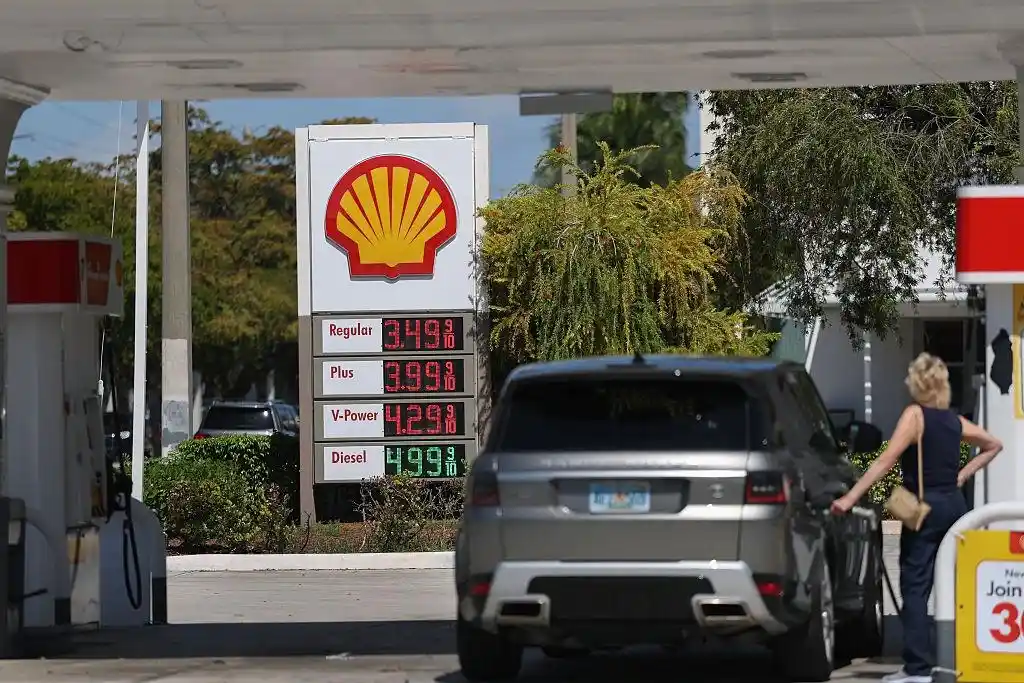
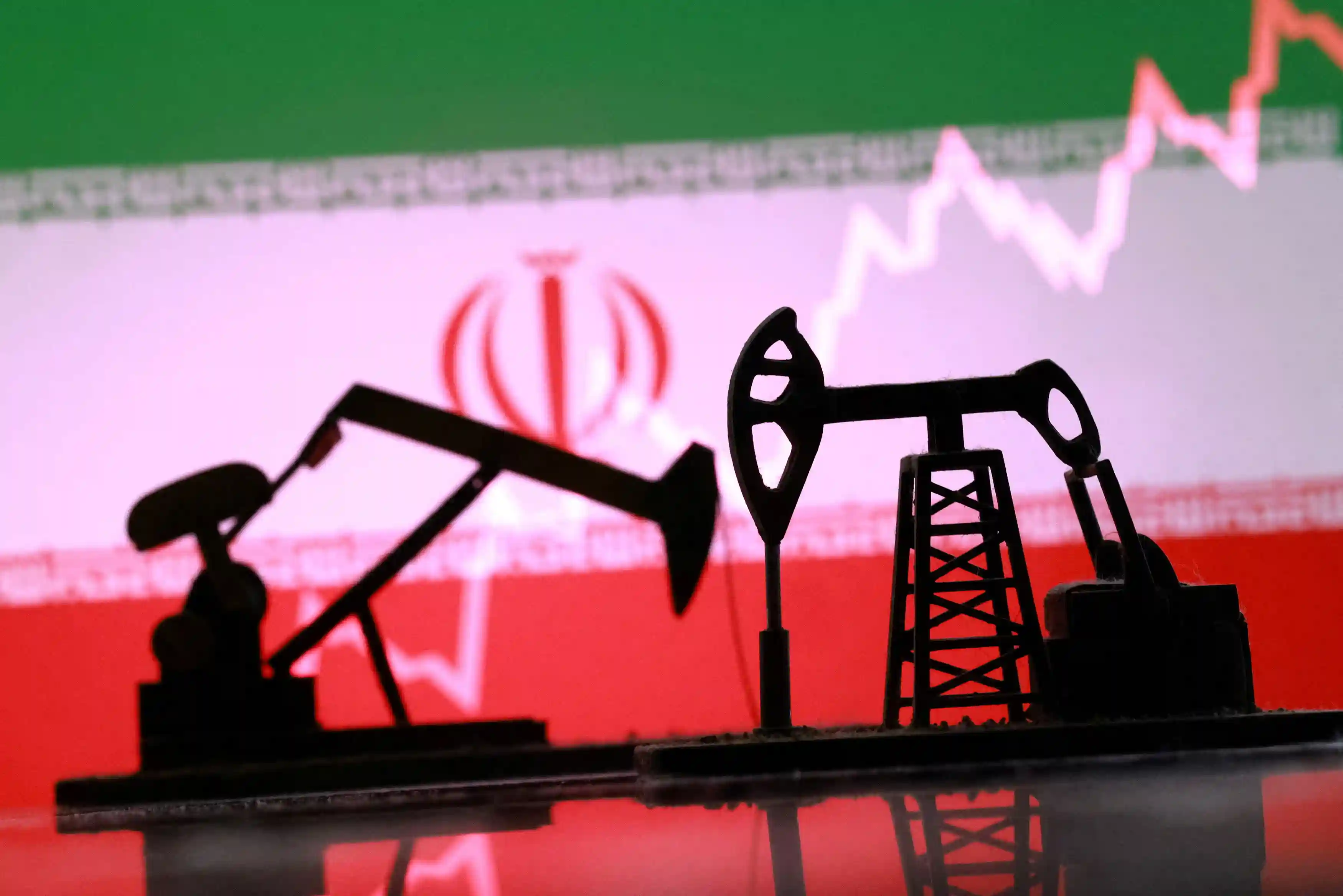
Oil traders had been watching the Middle East closely. Then the market got exactly what it feared. Crude prices surged after renewed military tensions involving the United States and Iran raised concerns about the stability of global energy supplies. Brent crude climbed toward the psychologically important $100-per-barrel level, while U.S. benchmark crude posted sharp gains of its own. The reaction was swift. Investors immediately focused on the Strait of Hormuz, one of the world's most critical energy chokepoints. A large share of the world’s oil shipments pass through the narrow waterway, so any threat to that route usually creates ripple effects across commodity markets. The recent rally was ignited by reports of renewed military contacts and increasing uncertainty about diplomatic efforts between Washington and Tehran. Traders moved quickly to price in the possibility of supply disruptions, shipping restrictions or broader regional instability. Oil markets have seen this pattern before. When tensions involving Iran escalate, risk premiums often follow. The fear is simple: even the possibility of interruptions can tighten supply expectations and drive prices higher. Crude later pulled back from its session highs after signs of diplomatic activity and renewed ceasefire discussions elsewhere in the region. The retreat was limited. Prices remained significantly higher than recent levels. That matters far beyond the energy sector. Higher oil prices can influence inflation, consumer spending, corporate costs and central bank policy. What starts as a geopolitical crisis can quickly become an economic one.
Wall Street Stumbles as Energy Fears Replace Market Optimism
The impact was not limited to oil. U.S. stocks retreated as rising energy prices and geopolitical uncertainty interrupted one of the market's strongest rallies of the year. The S&P 500 snapped its winning streak. The Dow Jones Industrial Average and Nasdaq Composite also finished lower. Investors suddenly had something new to worry about. For weeks, markets had been powered by enthusiasm surrounding artificial intelligence, resilient earnings and hopes that inflation pressures were easing. The return of geopolitical risk changed the mood. Higher oil prices threaten economic growth. They can also complicate the inflation outlook. Investors understand both risks. The result was a broad reassessment of market exposure. Traders cut back risk positions as fears mounted that prolonged Middle East instability could create new headaches for businesses and consumers. Smaller companies were especially hard hit as investors rushed to safer assets. Technology stocks held up better than many sectors. That resilience reflects continued confidence in artificial intelligence and long-term technology growth. Confidence, however, is not immunity. Even AI-based companies felt the heat as markets rebalanced to the new risk environment. The sell-off was noticeable. Panic never arrived. Major indexes remain close to record levels, suggesting investors still see underlying economic strength beneath the headlines. The session served as a reminder that sentiment can change quickly when geopolitics enters the equation.
Bond Markets Flash Inflation Warning
Stocks were not the only asset class reacting. Treasury yields climbed sharply as investors reconsidered the inflation outlook. Rising oil prices revived concerns that progress on inflation could slow or even reverse if energy costs remain elevated. Bond prices fell. Yields moved higher. The benchmark 10-year Treasury yield approached the closely watched 4.5% level. Longer-term yields pushed toward important psychological thresholds as investors adjusted expectations for future interest rates. The message from bond markets was clear. Higher energy costs can ripple through the economy. Transportation expenses rise. Manufacturing costs increase. Consumers feel pressure at the gas pump. Inflation can spread beyond energy itself. Investors are increasingly questioning whether central banks will be able to ease monetary policy as quickly as previously hoped if oil remains elevated. Economic data released during the week added another layer of complexity. Several indicators pointed to continued economic resilience. Normally that would be viewed positively. Combined with rising energy prices, strong economic data can also fuel concerns that inflationary pressures may persist longer than expected. That combination has become a challenge for markets. Growth remains solid. Inflation risks are resurfacing. Bond investors are attempting to price both realities at the same time.
Global Markets Caught Between Growth and Geopolitical Risk
The market reaction stretched well beyond the United States. Asian stocks followed Wall Street lower as investors across Japan, South Korea, Hong Kong and Australia reduced exposure to riskier assets. Concerns about energy supplies, inflation and regional stability spread quickly through global markets. The sell-off highlighted how interconnected financial markets have become. A military development in the Middle East can influence oil prices within minutes, Treasury yields within hours and stock markets across multiple continents before the trading day ends. Not every part of the market weakened. Long-term growth themes continued attracting attention, particularly artificial intelligence and advanced technology. These sectors helped to limit broader losses and offered some support to investor sentiment, even as geopolitical uncertainty intensified. Markets were also very sensitive to diplomatic headlines. Investors have repeatedly responded to developments involving Iran with remarkable speed. Signs of negotiation often push stocks higher and oil lower. Escalation tends to produce the opposite effect. That pattern remained intact. For now, investors are navigating two competing narratives. Strong earnings, technological innovation and economic resilience continue supporting risk assets. Rising crude prices, higher bond yields and geopolitical instability are pulling in the opposite direction. Which force wins may depend on a single question. Do tensions in the Middle East cool down—or move closer to the point where energy markets can no longer ignore them?
Leave a Comment
Your email address will not be published. Required fields are marked *