Global Markets & Energy Crisis
Oil Prices Surge After Trump Warns Iran to Hurry Up
Global oil prices surge above $110 after Donald Trump warns Iran to hurry up peace negotiations amid supply disruption fears.

Oil Prices Spike as Trump Issues New Warning to Iran
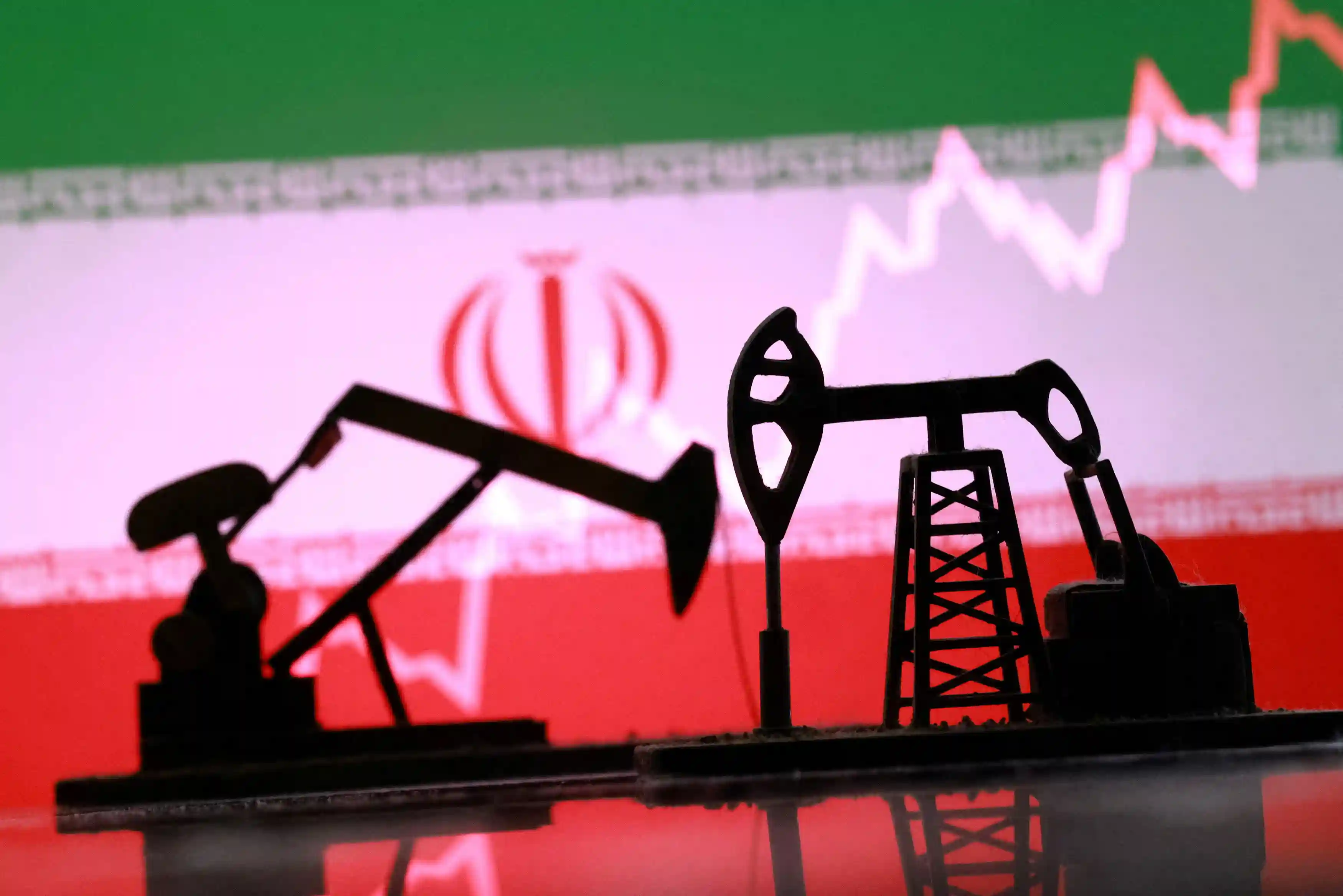
Global oil prices surged above $110 per barrel after President Donald Trump warned Iran to “hurry up” on peace negotiations, intensifying fears of a prolonged Middle East conflict and disruptions to global energy supplies. Brent crude briefly climbed past $112 overnight before later easing slightly amid continued market volatility. The price spike followed Trump’s social media warning that “the clock is ticking” for Iran to reach a peace agreement with the United States. Markets reacted sharply because the ongoing conflict has already disrupted oil shipments through the Persian Gulf and heightened fears surrounding the Strait of Hormuz, one of the world’s most critical shipping chokepoints. Analysts said the conflict has trapped many oil tankers inside the Gulf, reducing global supply flows and contributing to major energy market instability. Oil traders increasingly fear that any further escalation involving Iran could severely disrupt exports from the Middle East and trigger additional price spikes. The Washington Times reported that oil prices initially surged after Trump’s warning before retreating slightly as investors weighed the possibility of continued diplomacy between Washington and Tehran. Despite the pullback, prices remain dramatically higher than before the conflict began earlier this year. Financial markets around the world nervously reacted as investors weighed the growing geopolitical risks. Higher oil prices also raised fears of higher inflation and slower global economic growth, especially if energy disruptions continue. Energy analysts warned that prices staying above $100 a barrel could seriously impact transportation, manufacturing, consumer prices and monetary policy decisions in major economies. Some governments are beginning to prepare contingency plans for possible energy shortages and supply disruptions. The oil rally has thus become one of the clearest indicators yet that the Iran conflict is increasingly impacting global economic conditions far beyond the Middle East itself.
European Markets and Global Stocks React to Energy Shock
European stock markets experienced dramatic swings as investors reacted to the spike in oil prices, inflation fears and uncertainty over the escalation of the Iran conflict. The pan-European Stoxx 600 index initially declined before recovering some losses later in the trading session. Major European indices experienced volatile trading throughout the day. France’s CAC 40 moved from losses into positive territory after oil prices briefly eased, while Germany’s DAX and Britain’s FTSE also experienced sharp swings tied closely to energy market developments. Asian markets also faced pressure from the geopolitical tensions. Japan’s Nikkei 225 finished roughly 1% lower, while Hong Kong’s Hang Seng index declined amid concerns that higher energy prices could weaken economic growth across Asia. Investors became increasingly concerned that rising oil costs could fuel inflation at a time when many central banks were already struggling to balance slowing growth and elevated prices. Higher energy prices also raised fears that interest rates could remain elevated longer than previously expected. Analysts noted that rising bond yields compounded pressure on stock markets. Global government debt yields rose as traders prepared for inflation effects from higher oil prices. Higher yields tend to raise borrowing costs for companies and consumers and dampen appetite for riskier investments such as stocks. And the technology and artificial intelligence sectors were also back in the spotlight, with higher rates potentially making it more expensive for companies to fund big infrastructure projects, such as AI data centres and cloud computing expansion. Despite the volatility, some sectors have profited from the turmoil. Energy companies and some utilities advanced as investors sought out industries likely to benefit from higher commodity prices and increased infrastructure spending related to energy security concerns. The broader market reaction therefore reflected growing fears that the Iran conflict may increasingly influence inflation, interest rates, corporate earnings, and global economic growth throughout 2026.
Prediction Markets and Crypto Traders Bet on Further Oil Increases
Prediction markets and crypto-based traders drew major attention after accurately forecasting oil’s earlier surge above $110 per barrel. Benzinga reported that traders on prediction platforms had successfully anticipated the dramatic rise weeks before the latest escalation involving Iran. According to reports, prediction market participants are now betting that crude prices could rise even further if tensions continue worsening. Some traders reportedly expect oil to approach or exceed $120 per barrel if shipping through the Strait of Hormuz faces major disruption. The success of these prediction markets drew more attention from investors and analysts who want real-time sentiment indicators amid fast-moving geopolitical crises. Traders use platforms such as Polymarket to wager on outcomes tied to energy prices, ceasefire talks and regional conflict escalation. Benzinga noted that prediction markets reacted swiftly after Trump issued new warnings to Iran. His comments on the urgency of peace talks and the possibility of future military action led traders to nearly immediately revise their oil price expectations. Some analysts say these markets are increasingly serving as alternative forecasting tools, aggregating the expectations of thousands of participants responding to real-time developments. Others warned prediction markets can become highly volatile and speculative during geopolitical crises. Oil traders have also become more sensitive to political messaging from Trump and other world leaders. Previous statements about ceasefires or diplomatic breakthroughs repeatedly triggered sharp swings in crude prices throughout the ongoing conflict. At the same time, some market observers argued traders are becoming less responsive to optimistic political statements because earlier diplomatic efforts repeatedly collapsed. Benzinga described signs that “the market stopped listening” to certain political signals after multiple failed negotiation attempts. The growing importance of prediction markets thus highlighted the increasing interconnection of financial speculation, geopolitics and energy trading in the Iran crisis.
Strait of Hormuz Crisis Intensifies Global Economic Fears
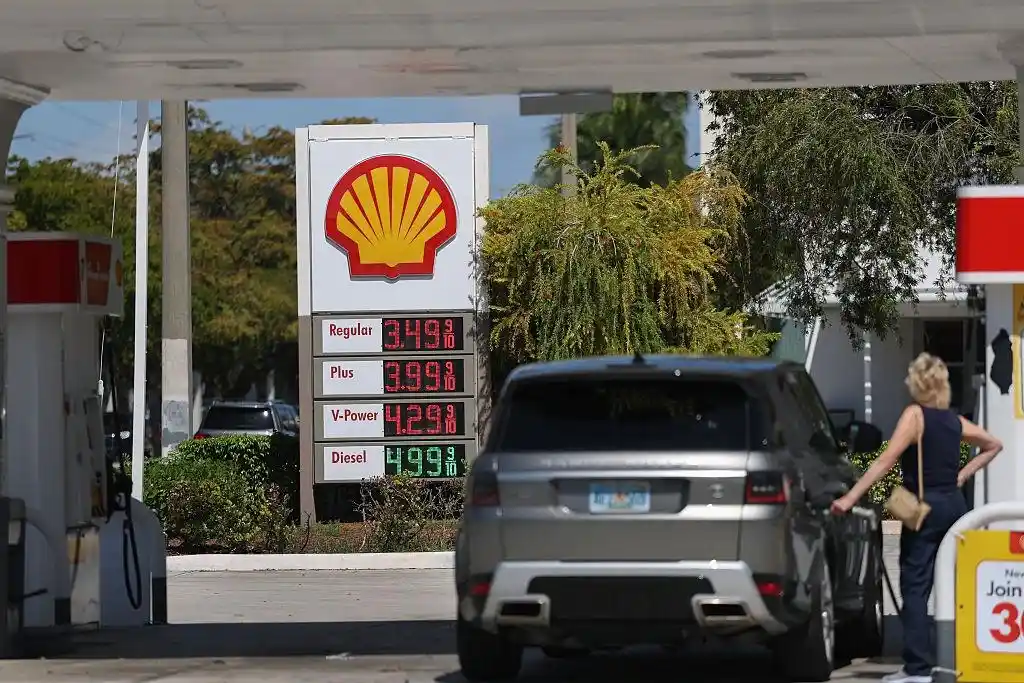
The Strait of Hormuz remained at the center of global concern as Iran and Oman reportedly discussed new mechanisms for controlling commercial shipping through the strategic waterway. Roughly one-fifth of global oil supplies normally pass through the narrow passage connecting the Persian Gulf to world markets. Iranian officials said they were working with Oman on systems to manage and regulate tanker traffic in the strait during continuing military tensions. The talks underscored rising concerns that the conflict could severely disrupt global energy shipping routes. Already, delays and security worries have led to a drop in tanker traffic through the region. Some shipping companies have apparently changed routes or delayed sailings amid concerns about missile strikes, naval clashes and drone incidents associated with the ongoing conflict. Analysts warned that any prolonged closure or major disruption involving the Strait of Hormuz could create severe global economic consequences. Energy-importing countries across Europe and Asia remain especially vulnerable because they depend heavily on Gulf oil exports. Rising energy prices also triggered growing political pressure inside the United States. Critics argued the conflict was contributing to higher gasoline prices and inflation that was affecting American consumers. Benzinga reported some political figures were attributing much of the increase in fuel costs to the Iran war premium. Transportation industries also began cautioning about wider economic effects of high fuel costs. Airlines and logistics firms expressed concern that sustained oil prices over $100 could increase travel costs and slow economic activity. At the same time, the lack of clarity about future military action remains fueling extreme volatility in both oil and financial markets. Diplomacy, ceasefires or renewed threats from Washington and Tehran are news to which investors are still very sensitive. Thus, the ongoing crisis in the Strait of Hormuz became one of the biggest global economic risks for 2026, with consequences far beyond the Middle East, affecting energy markets, inflation, transportation and global financial stability.
Leave a Comment
Your email address will not be published. Required fields are marked *