Stock Market
Boeing Shares Fall After Smaller China Aircraft Order
Boeing shares fell after China announced a 200-aircraft order, below Wall Street expectations for a larger commercial deal.

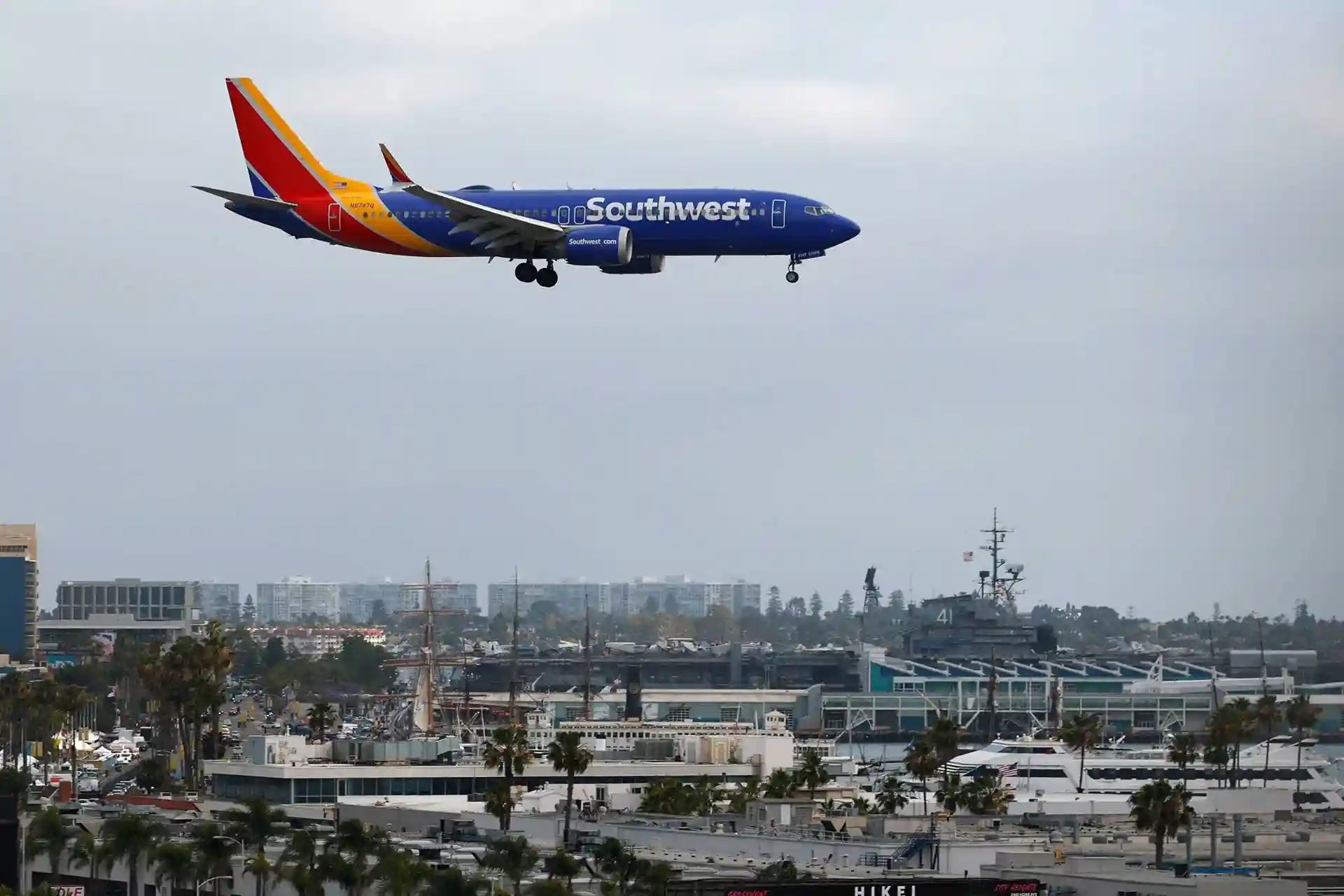
200 Planes. Wall Street Wanted 500. Boeing Pays the Price.
The deal was supposed to be Boeing's moment. After years of frozen relations with Beijing, a massive aircraft order tied to Trump's China summit was supposed to signal that Boeing was back in one of the world's most important aviation markets. What actually happened was different. Trump announced Thursday in a Fox News interview that China agreed to buy 200 Boeing jets — describing them as '200 big ones.' Boeing shares dropped more than 4% on the news. The problem was not the deal itself. The problem was what the market had already priced in. For months, reports from Bloomberg and other outlets had suggested Beijing was preparing a commitment of up to 500 Boeing 737 MAX narrowbody jets, with the possibility of dozens of widebody aircraft on top of that. By the time Trump spoke, institutional traders had already built positions around a 500-plane headline. When the number landed at 200, the gap between expectation and reality sent the stock south fast. Boeing CEO Kelly Ortberg was among the senior executives who traveled to Beijing with Trump specifically to advance commercial aviation negotiations. That presence had amplified market expectations even further in the days before the announcement.
This Is Boeing's First Major China Order Since 2017
To be clear about what the 200-plane deal actually represents: it is meaningful. China last gave Boeing a significant commercial aircraft commitment in November 2017, during Trump's first-term visit to Beijing, when the country agreed to buy 300 aircraft worth more than $37 billion. After that deal, trade relations between Washington and Beijing deteriorated badly. Boeing received just 51 orders from Chinese buyers between 2017 and 2025 — mostly freighters, not commercial passenger jets. That nine-year drought is what makes this week's announcement significant in a longer-term context. Airbus moved aggressively into that vacuum. Chinese carriers have committed to roughly 700 Airbus jets since July 2022 alone. Airbus opened an A320 final assembly plant in Tianjin and built relationships with Chinese airlines that gave it majority market share in the country through the 2010s and into the 2020s. Boeing getting back into that conversation — even at 200 planes — is a real development. It just was not the one the market was waiting for.
The Details of the Deal Are Still Fuzzy — and That Spooked Investors
Part of what accelerated the selloff Thursday was not just the headline number but the lack of specifics behind it. Neither Boeing nor Chinese authorities immediately confirmed what aircraft types are included in the 200-plane order. No operator names were given. No delivery timeline was announced. No firm contracts were disclosed. BNP Paribas aerospace analyst Matt Akers put it plainly: it is possible more orders still come out of this trip, but right now investors are interpreting the announcement as less than what had been hoped for. The 200 planes represent roughly 3% of Boeing's total commercial backlog of 6,807 aircraft at the end of April. Adding 3% to a backlog that already measures 6,800 planes does not solve Boeing's near-term cash flow problems. The company reported negative free cash flow of $1.4 billion in the first quarter of 2026. Its long-term debt sits at roughly $44.3 billion. Boeing also delivered just 47 aircraft in April, below the 50-plus analysts expected — another sign that execution remains a challenge even before the new China commitment can be filled.
Trump's Disclosure Filing Added a Separate Layer of Scrutiny
The Boeing story picked up an additional political wrinkle this week when Trump's financial disclosure filings showed that he had been aggressively buying Boeing and GE Aerospace stock in the $1 million to $5 million range shortly before he announced the China aircraft deal. GE Aerospace supplies engines for Boeing jets, meaning the two investments are directly tied to each other. The deal that followed — 200 Boeing planes with GE engines — connected those purchases directly to a government-negotiated commercial outcome. Ethics watchdogs flagged the sequence immediately. Trump administration officials have not commented on the disclosure, and no formal investigation has been announced. But for investors already frustrated by the smaller-than-expected deal size, the disclosure added a layer of noise that did not help Boeing's stock recover during Friday's session.
Boeing's Recovery Story Is Real — But This Week Exposed Its Fragility
Step back from the week's events and Boeing's position looks better than the stock reaction suggests. The company beat analyst earnings estimates in the first quarter, with revenue of $22.21 billion — up 14% from a year ago. The total company backlog hit a record $695 billion in Q1 2026. Production rates are climbing. The 737 MAX 10 certification, delayed for years, is expected to come through in 2026. If and when the China order is confirmed with firm contracts and delivery schedules, it marks a genuine reopening of Boeing's most important long-term growth market. Analysts at Boeing project China will need at least 9,000 new jetliners by 2045, and the country cannot buy them all from Airbus. There is real logic to a Boeing comeback in China. But this week showed how fragile the recovery narrative still is when execution falls short of expectations. Wall Street was ready to celebrate 500 planes. It got 200, with no timeline and no names attached — and the stock paid for the difference.
What Comes Next for Boeing — and When It Matters
The three metrics analysts say Boeing investors need to track are monthly delivery numbers, the 737 MAX 10 certification date, and the outcome of an active jury trial involving Polish Airlines. On deliveries, Boeing needs to ship around 500 commercial aircraft in 2026 to validate its free cash flow guidance. April's 47 deliveries puts that pace behind schedule. On the MAX 10, any delay resets Boeing's entire cash flow outlook by months. On the legal front, LOT Polish Airlines has an attorney in U.S. District Court in Seattle this week alleging that Boeing concealed safety issues with the 737 MAX when the airline committed to leasing 15 aircraft in 2016 — before two fatal crashes in 2018 and 2019. A verdict against Boeing could open the door to similar lawsuits from other carriers globally. Meanwhile, Trump has signaled the China deal could ultimately reach 750 aircraft over time. That number would make it the largest aircraft order in Boeing's history, worth hundreds of billions of dollars. Whether that figure ever materializes depends on how well Washington and Beijing manage a diplomatic relationship that has been rocky for the better part of a decade — and whether Boeing can actually build and deliver the planes when the orders arrive.
Leave a Comment
Your email address will not be published. Required fields are marked *